What I Learned Climbing Everest
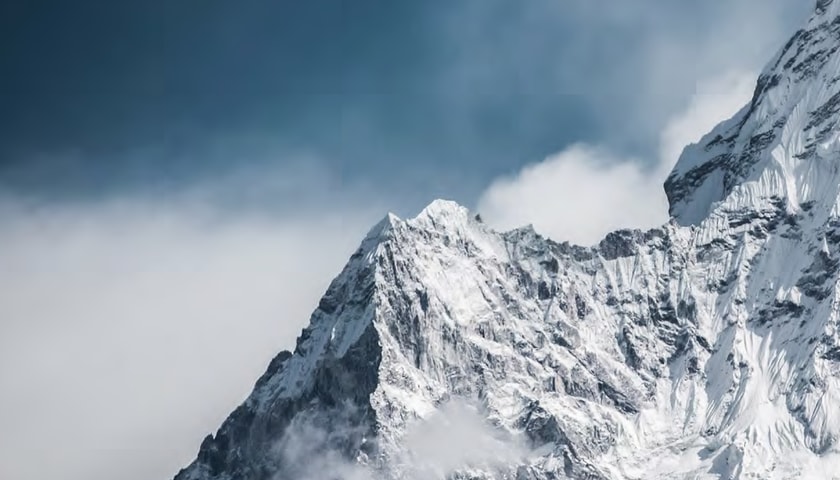
Colonel (Retd) David Radford-Wilson MBE was a leader of the Army Mount Everest West Ridge Expedition, which aimed to reach the top of the mountain via the West Ridge – an ascent previously completed by just four people, and where more climbers have died than succeeded. Here, he discusses his time climbing Everest, and the lessons he learned.
If you want something amazing, you have to work hard to make it happen
I got a call one day from one of the other leaders who asked if I fancied going climbing. He explained that he had the idea of undertaking the first ever British ascent of the West Ridge of Everest and doing it as a tri-service military expedition.
Of course I agreed, but it then took three years to achieve: planning; building a big squad so that as many people as possible could be part of the journey; training; buying the equipment and raising the money to do it – and that was before we even got to China (where we then spent three months on the mountain).
To do amazing things, you have to build amazing teams
Pulling together a tight-knit group of like-minded souls who want to do the same thing leads to results – and a lot of fun.
We had to work extremely well together, climbing up each section while carrying equipment, before coming down again to sleep. You do that again and again until, eventually, you are camped as high as possible while you wait for the window (which could be mere days) that occurs twice a year when the jet stream rises above Everest. That’s your opportunity to climb to the top and down again.
I calculated that, as a result of carrying all the tents and equipment up, we climbed the equivalent height of Everest seven times.
Our bodies and minds are so much more capable than we believe
It’s only by challenging ourselves do we learn that something that seems impossible can be done. You can feel humbled and empowered at the same time. The north face fills you with emotion. I felt privileged to be there and excited – but also fearful.
The first time I went on the mountain it was late in the afternoon and getting dark; it was a very frightening place to be and I only wanted to get off there. Then, being on the mountain again the next day in the sun was so uplifting. You feel so insignificant, yet it’s amazingly powerful to be at one with that massive, powerful environment.
conversation with a friend quells doubts and fears. At times you doubt whether you are good enough or if you can do it; everyone who finds themselves in a big adventure feels that. The mental challenges are harder than the physical ones, especially for the junior members who, although very fit and strong, may not have had their minds tested in this way before. Food, sleep and an honest chat all help you cope better.
Everest is incredibly beautiful – from the tiniest ice crystals to watching the sun fire off laser-like beams of light from the mountain peaks first thing in the morning. You are living above the clouds and get to watch the world come sparkling into life each day.
You must be prepared to fail. No experienced mountaineer has reached the top of as many mountains as they’ve climbed. In the end, the main team had to turn back just 600 metres from the summit because there was too much soft snow on the north face and the avalanche risk was just too great. We didn’t succeed in our mission, but so many positives came out of tit and we had such a life-changing experience that we wouldn’t have changed it for the world.
I wouldn’t have been able to do it unless it was in a military expedition. Civilian expeditions are very different – you’re with strangers so there is no bond and you’re using equipment you’ve never seen before being rushed up and down a tourist trail.
Camping with the cadets ultimately led me to Everest. Those teenage camping trips were my first experience of being scared and exhilarated in a tent on a hillside. Being in the Cadets led me into climbing and mountaineering, and one of the reasons I joined the Army was because I loved being outdoors and doing adventurous training.
At the time of the expedition – which became the most successful high-altitude military expedition that the Army has ever run – David had just finished commanding a Special Forces squadron. He retired from the Army after 25 years’ service and now runs a disaster response and relief company which works all over the world.
By joining the Army Cadets you will have incredible opportunities to learn climbing and mountaineering skills. Want to learn more about the tallest mountains in the world, read our article to find out more.