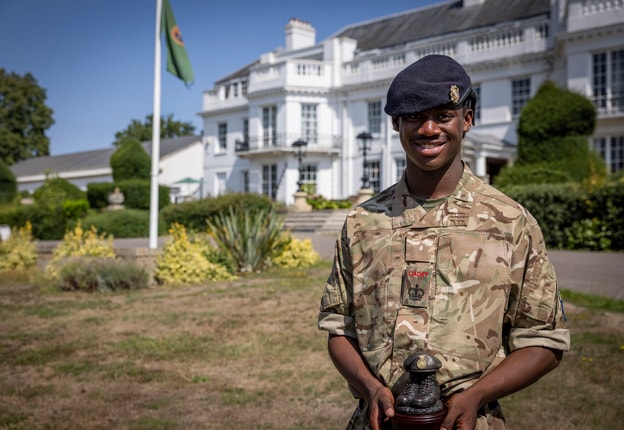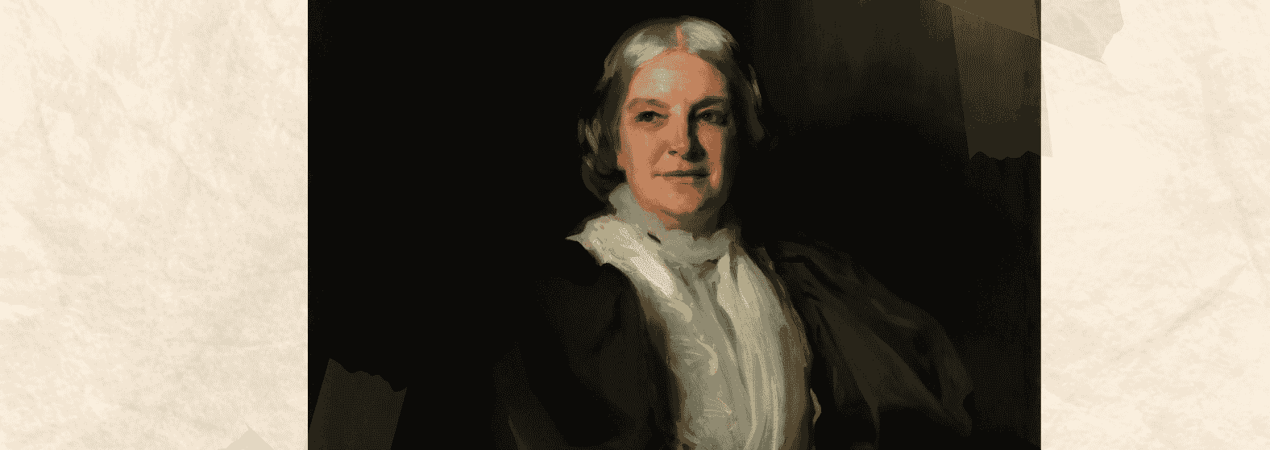
The Manor of Frimley was originally part of Chertsey Abbey’s estate, as recorded in the Doomsday Survey. After the dissolution of the monasteries, Henry VIII gave the estate to his daughter, Mary. Upon her accession to the throne in 1553, Queen Mary granted the estate to Sir John White of Aldershot in recognition of his service as Lord Mayor of London. This marked the beginning of centuries of private ownership, during which Frimley Park would pass through many hands, each contributing in different ways to the site’s long and storied history.
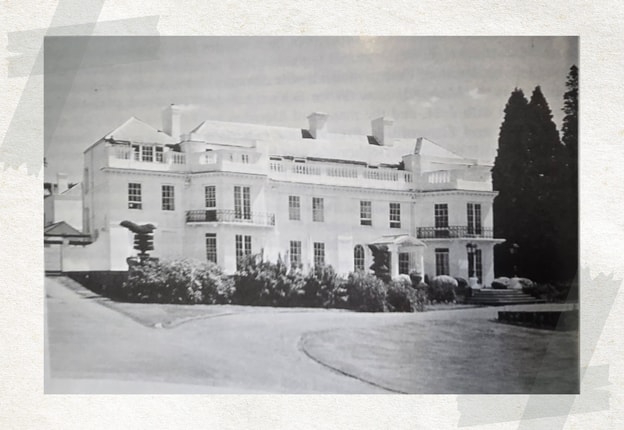
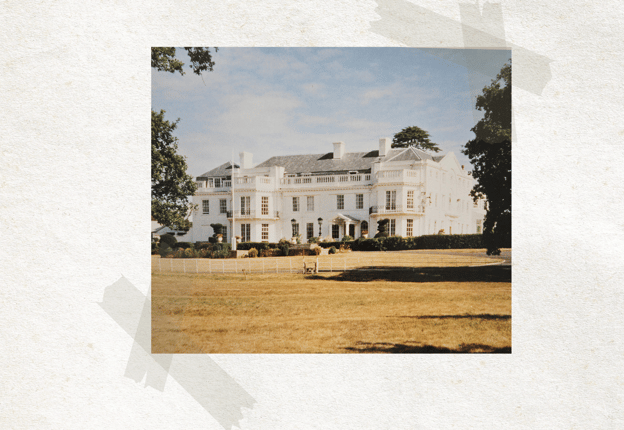
In 1602, White’s granddaughter married Sir Walter Tichborne, who inherited the estate. Generations of the Tichborne family maintained ownership, with James and Mary Tichborne constructing the current mansion in 1699. Built on the site of a modest hunting lodge, this grand home reflected the family’s prosperity and marked a significant architectural development for Frimley Park. The estate would remain in the Tichbornes’ possession for nearly two centuries before being sold.
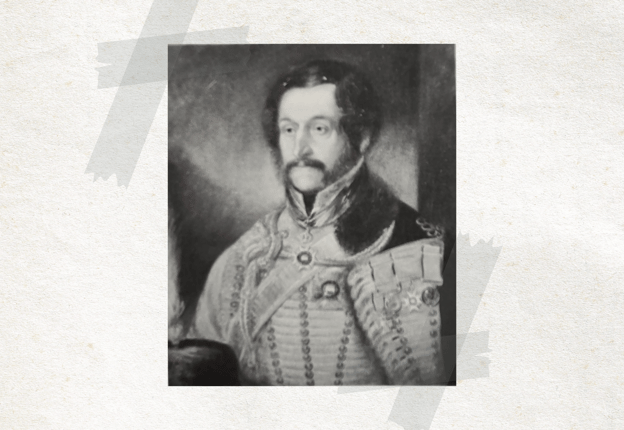
Sir Henry Tichborne sold the estate in 1790 to James Laurell for £20,000. It became a fashionable venue, regularly hosting the Prince of Wales, later George IV. However, in 1857, James Laurell’s son reputedly lost the entire estate in a game of cards to John Tekel, with the Prince witnessing the event. The estate at that time spanned 1,457 acres, including areas now known as Camberley and Barossa Common. This unusual change of ownership significantly shaped the land’s future use and division.
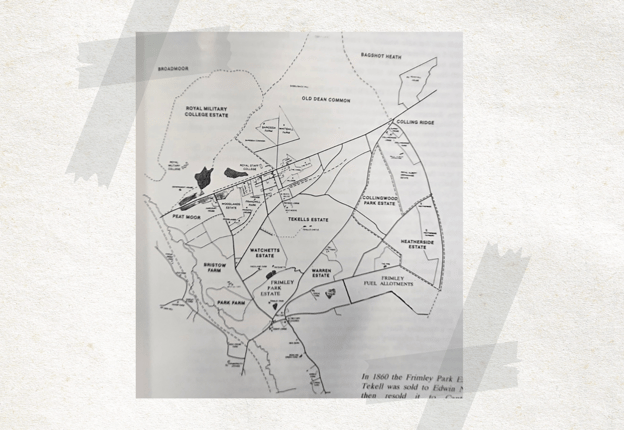
After John Tekel’s death in 1860, his widow—related to William Pitt—sold off parts of the estate. The Royal Military College acquired Barossa Common, Sandhurst, to expand training grounds. The estate changed hands repeatedly before being bought by Colonel (later Sir) Malcolm Fox of the Black Watch. As Inspector of Gymnasia, Fox resided at Frimley Park until 1897, further maintaining its military connections during a period of increased British Army reform and training development.
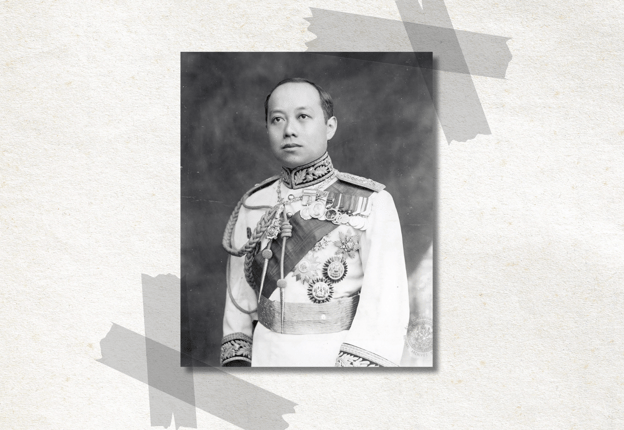
In 1898, the Crown Prince of Siam, then a gentleman cadet at Sandhurst, lived at Frimley Park while attached to Army units in the Aldershot area. Adhering to Siamese royal tradition, he was accommodated in a modest room at the top of the house—ensuring he slept above commoners and servants. This brief but notable royal residency highlighted the estate’s growing association with military and diplomatic history, continuing its legacy as a place of importance and prestige.
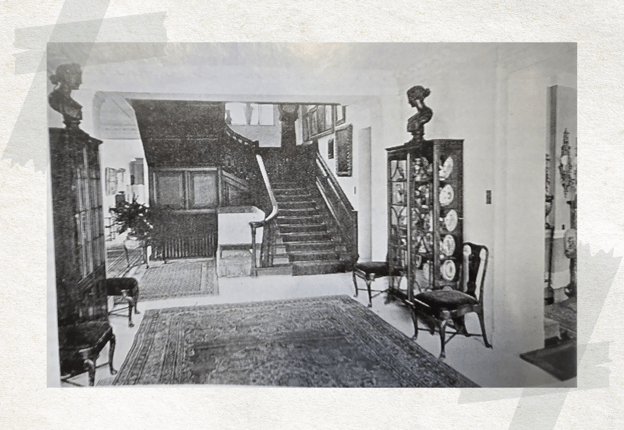
The house was bought in 1920 by Theodore Ralli, a Liverpool cotton broker. Ralli enhanced the estate with formal gardens, a pergola, and oak panelling in the dining room—originally from Chillingham Castle. He also added a nursery suite by converting part of the drawing room, now Marlborough Hall. These upgrades brought both grandeur and comfort, ensuring the house remained a distinguished residence during the interwar years and later played a role in wartime service.
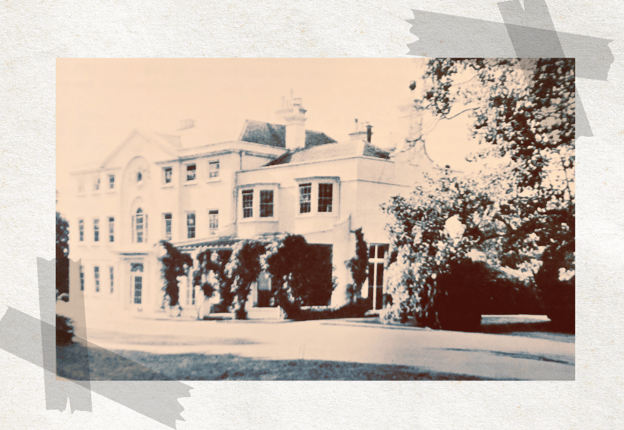
During the Second World War, Frimley Park served the nation as a maternity hospital, with Marlborough Hall used as the delivery room. After the war, from 1947 to 1950, the house provided facilities for the Officers’ Association, marking a transition from private estate to institutional use. These years laid the groundwork for the estate’s future as a site of military training and organisation, building on its longstanding connection to the armed forces.
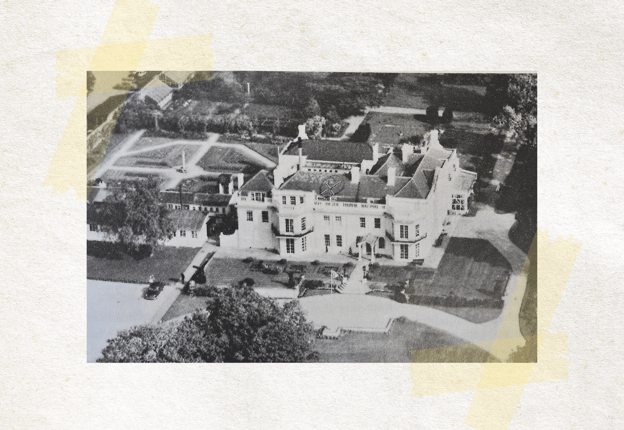
In 1951, the War Department took over the house for the Women’s Royal Army Corps Staff College. Over six years, 181 Regular and 34 Territorial Officers trained there. With the end of national service in sight, the Amery Committee was formed in 1956 to determine the future of cadet training. The 1957 Amery Report recommended a dedicated training centre for the ACF and CCF. Frimley Park was chosen as the ideal location for this new Cadet Training Centre.
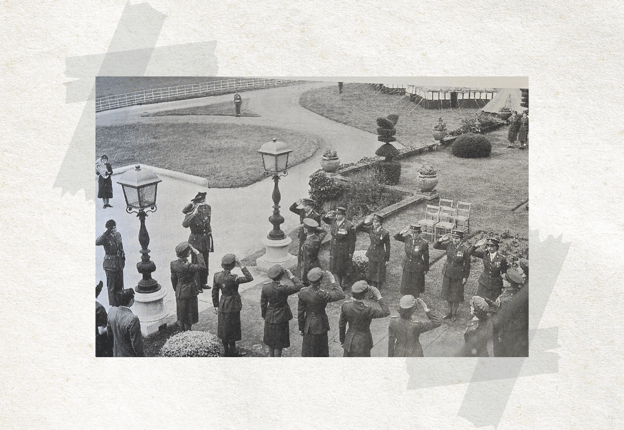
Lieutenant Colonel J H Warwick-Pengelly OBE arrived in September 1958 to begin transforming the estate. The Cadet Training Centre officially opened in April 1959 with the King George VI Memorial Leadership Course. Funded by the KGVI Foundation, the course had previously run at Warminster since 1955. The grand opening ceremony on 8 July 1959 was presided over by General Sir Francis Festing, cementing Frimley Park’s new role in the development of Army Cadets.
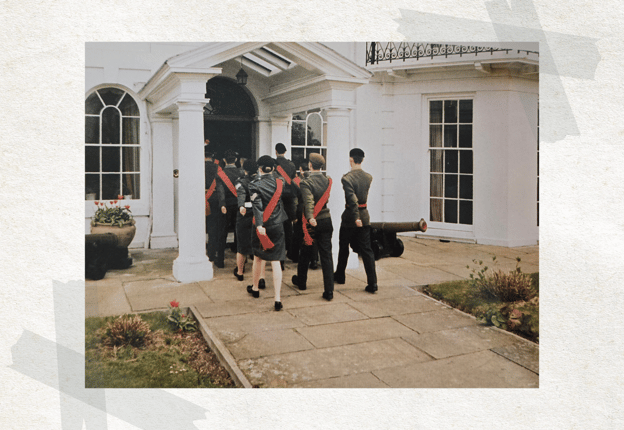
From 1966, much of the estate’s land was ceded to the local hospital; however, CTC retained sufficient space for its training needs. On 12 July 1978, Her Majesty The Queen and HRH The Duke of Edinburgh visited CTC. In 1991, Prince Philip returned to open a new administrative block, replacing outdated Nissan huts with modern offices, classrooms, showers and a .22 range. These changes modernised the facility and showed continued royal support for cadet development.
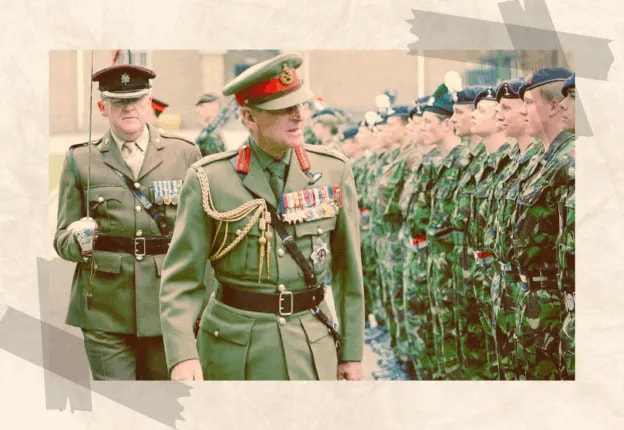
A new gymnasium shared with the Ministry of Defence Hospital Unit, opened in 2001. In October 2008, HRH The Duke of Edinburgh visited Frimley Park once again to celebrate the 50th anniversary of the Centre’s foundation. These developments and commemorations highlighted CTC’s commitment to progress and tradition. As cadet numbers grew, the need for updated infrastructure and recognition of the Centre’s history became increasingly important.
Since 2007, CTC has introduced new annual courses for both Commandants and Area Commanders to accommodate the growing needs of the ACF and CCF. Although the names of courses have remained familiar, their content and structure have evolved significantly. Today, the Cadet Training Centre at Frimley Park continues to adapt to meet modern requirements, balancing a proud historical legacy with the ongoing mission of training and developing the next generation of cadet leaders.