Why Is It Important to Celebrate Neurodiversity?
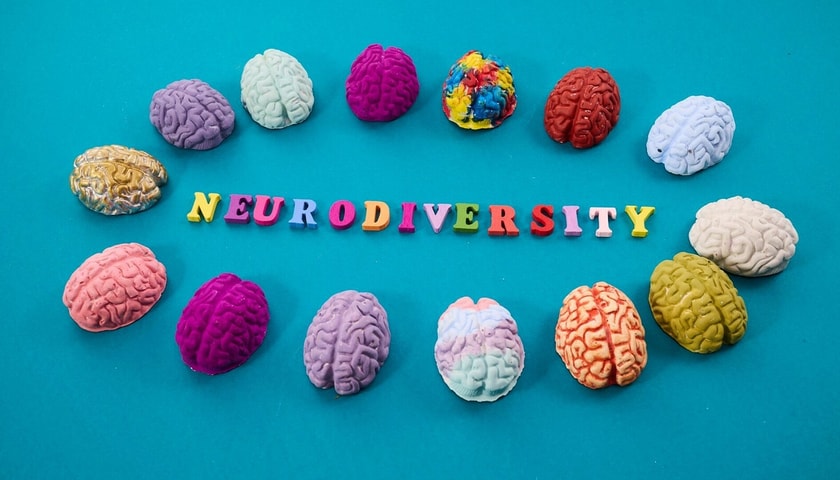
Celebrating neurodiversity is the recognition that we don’t all think in the same way; and understanding that this is a good thing. Each of us brings different observations and interpretations to our interactions. For some, this is a result of their experience. For others, it is simply how their brain processes information. We absolutely celebrate and support those with neurodiversity within the Army Cadets.
What do neurodiverse and neurotypical mean?
Neurotypical means someone who processes information in a way which is expected, or typical, for their society or culture. Typical means common, not ‘normal’. This can mean they observe cultural norms, or act in a way that would be expected for their age and background, for example.
Neurodivergent is a term used to describe people who think and process information in a way that differs from cultural and social expectations. The term helps us to discuss differences without labelling them as an illness.
Neurodivergence is often mistaken for a mental health issue, but this is not the case. Neurodivergent individuals are often mentally healthy, but their brains work differently than neurotypical people.
It may be helpful to think of neurodiversity in terms of physical diversity. Some people may be taller than others, or stronger, or more flexible, or have trouble gaining weight. None of these are physical health issues, but we easily recognise that we are all physically different. Neurodiversity works the same way; it is simply less visible.
Celebrating neurodiversity
Celebrating neurodiversity also means bringing it into the cultural conversation. The more openly we speak about neurodiversity, the more neurodivergent people are able to access the support, encouragement, and accommodations they need. Plus, the more normalised this conversation becomes, the more of us will be able to spot the signs of neurodivergence in ourselves and those around us. Diagnosis isn’t the be-all-and-end-all, but it can open the door to medical and social support for many who benefit from it.
According to the NHS, 1 in 7 people in UK are neurodivergent. That is, they don’t conform to what is considered neurotypical.
Think about how easy and non-invasive it can be to support someone with, for example, an aversion to bright sunlight or hay fever. They are examples of physical diversity we can easily understand and accommodate.
Neurodiversity Celebration Week, founded in 2018, is a global initiative that ‘challenges stereotypes and misconceptions about neurological differences.’
So why should we celebrate it? Neurodiversity is simply a part of what makes a society vibrant. Without diversity, in any form, we would have a very boring world, and we may have missed out on science, art, and discoveries that would not have been found or made by neurotypical minds.
Types of neurodiversity
Neurodivergence can be labelled with medical definitions, but these are not exclusive. It is possible for someone to have dyslexia y
ADHD, for example. Here are some common recognised types of neurodivergence.
- ADHD can manifest as a pattern of hyperactivity and inattention.
- Autism/Aspergers are both part of the autism spectrum and affect social skills.
- Developmental Language Disorder affects learning and comprehension of spoken and written languages.
- Dyscalculia affects the ability to reason and understand numbers and maths.
- Dislexia is an issue of visual perception, characterised by difficulty reading and identifying letters and words. Because the issue is with the brain’s ability to perceive, and not reason, dyslexia can sometimes be treated with coloured glasses.
- Dispraxia affects movement and coordination, and fine motor skills.
- Stammering is a communication issue which leads to repetition of words or sounds when speaking. (Interestingly, stammering is not present when a person sings, because a different part of the brain is doing the work. Our brains really are fascinating!)
Living with autism
Autism might be one of the most well-known expressions of neurodivergence. The impact of autism and social skills presents a challenge to social interactions, but with the right accommodations and consideration autistic people can overcome such challenges.
Autism Speaks explains that social skills can be improved with practice – something that is universally true regardless of neurodivergence. While autistic people may have greater challenges to overcome, especially in terms of building social skills, this should not be seen as a limitation in autistic people’s lives but a challenge that can be met.
Famous neurodivergent role models
One of the best things we can do to understand the benefits of neurodiversity and the reasons to celebrate it is if we look at some famous examples of neurodiverse individuals. Can you see what they have in common?
- Albert Einstein was born in Germany in 1879 and became one of the greatest scientists of all time.
- Bill Gates is an American businessman born in 1955. He founded Microsoft, which is today one of the biggest companies in the world.
- Great Thunberg is a Swedish environmentalist born in 2003 and has raised awareness of climate change around the world.
- Dan Aykroyd is a Canadian actor, writer, and director born in 1952. He wrote and starred in classic comedy movies like Ghostbusters and Trading Places.
- Simone Biles is an American gymnast and was born in 1997. She is widely considered one of the greatest athletes of all time.
- Chris Packham is a TV presenter and naturalist born in 1961. He has been presenting TV shows around the theme of the natural world for forty years.
So, what do a scientist, environmentalist, businessman, actor, gymnast, and naturalist have in common? Absolutely nothing! They are simply a diverse representation of great accomplishments.
You don’t need to be neurodivergent to succeed or be at the top of a profession, but you don’t have to be neurotypical either. The point is it doesn’t matter. You can set goals and achieve them no matter how you think.
It’s important to remember not to look back into history and diagnose people based on our limited knowledge of their character. But the fact we can recognise commonalities like this, now that we understand them better, shows that there is no sharp dividing line between neurotypical and neurodivergent.
We are all somewhere on a curve, and that’s great, because sharing that diversity is one more thing we have in common.
Celebrate more with Army Cadets
We have written before about the important of looking after your mental health, and one of the best ways to do this is to stay connected to people, and stay active.
Army Cadets enjoy both, with regular meetings and a wide range of Formación aventurera opportunities. Why don’t you encuentre su destacamento más cercano
and join in?