Weapon Handling Training and Safety with Army Cadets
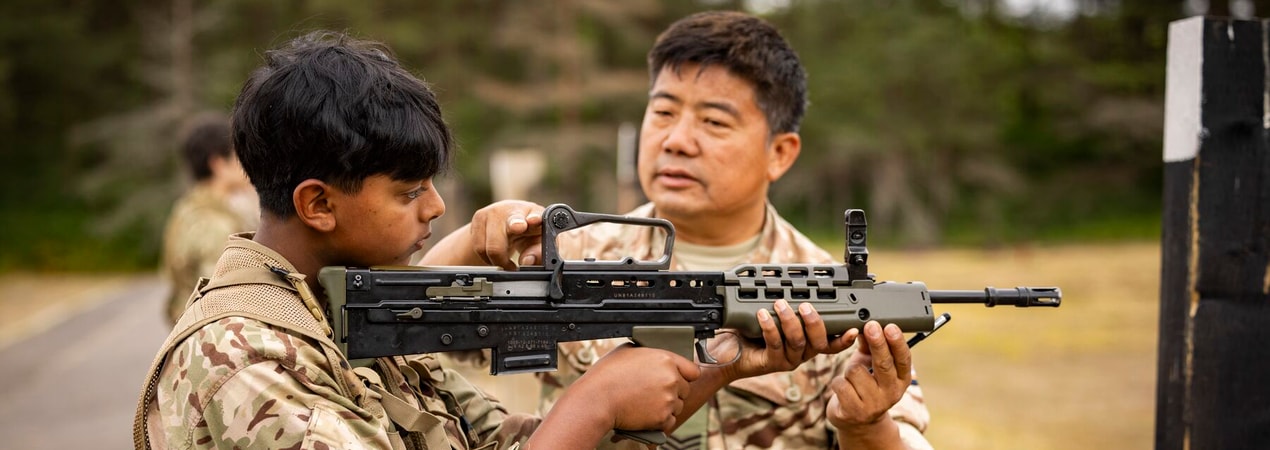
Learning to handle weapons safely and responsibly is an important part of the Army Cadet Syllabus. Through structured weapon handling training, cadets develop self-discipline, concentration and confidence while learning essential safety procedures under the supervision of trained adult instructors.
Starting with introductory training using air rifles, cadets progressively develop their knowledge and practical skills through a syllabus of ‘Skill at Arms’ training. All of this then enables cadets to take part in more advanced activities, including shooting and fieldcraft.
Whether you’re new to Army Cadets or looking to develop your skills, weapon handling training offers a chance to learn something new, challenge yourself, and build responsibility.
What Is Weapon Handling Training?
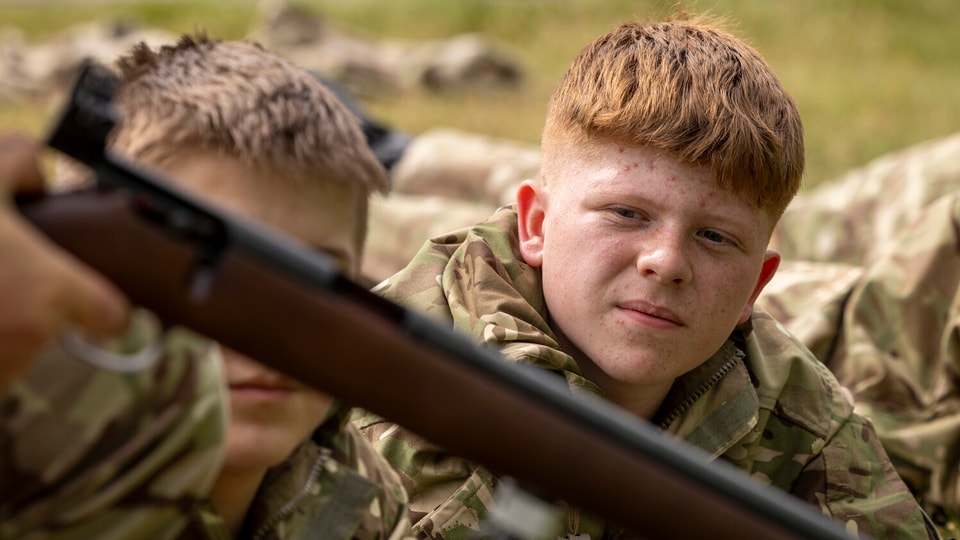
Weapon handling training teaches Army Cadets how to handle, operate and care for weapons safely and responsibly.
Safety is at the core of everything cadets do with weapons. Before moving on to practical activities, cadets learn to follow instructions, understand safety procedures, and demonstrate responsible behaviour.
During training, cadets learn how to:
- Handle weapons safely and responsibly.
- Understand the main parts and functions of weapons.
- Follow safety procedures and commands.
- Carry out safety checks.
- Maintain and care for equipment appropriately.
- Demonstrate self-discipline and responsible behaviour.
All training takes place in controlled environments under the direct supervision of qualified adult instructors.
No previous experience is required, and cadets are introduced to weapon handling at a level appropriate to their age, ability and stage of training.
How Weapon Handling Skills Progress
Weapon handling is a progressive part of the Army Cadet Syllabus, allowing cadets to build their knowledge, confidence and practical competence over time.
Cadets begin by learning the fundamental principles of weapon safety and responsible handling.
Initial training typically involves air rifles and introduces basic safety procedures, equipment awareness, and the importance of following instructions.
Instructors explain and demonstrate the correct procedures before cadets begin supervised practical training.
As cadets progress, they develop their understanding of weapon handling through structured lessons and repeated supervised practice.
Training focuses on safe handling, understanding procedures, maintaining equipment and responding correctly to instructions.
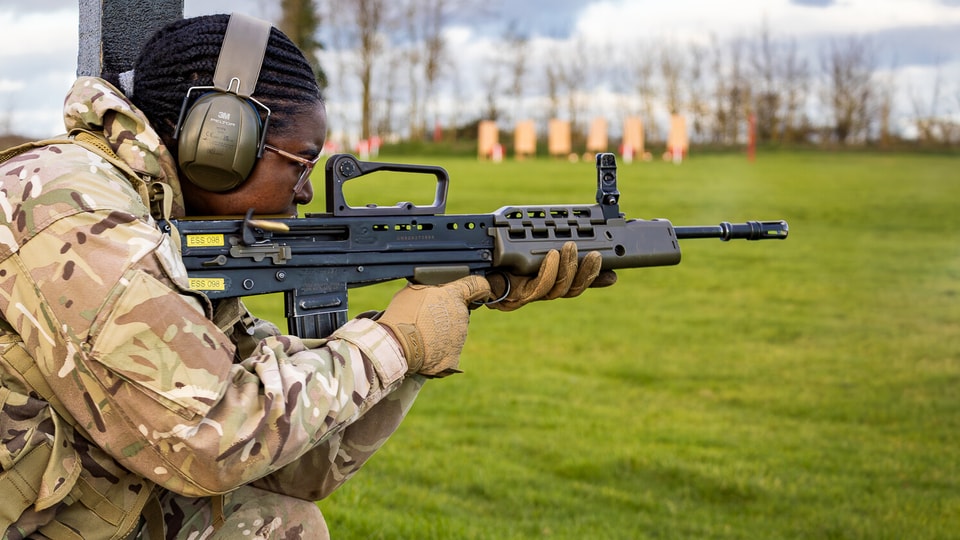
Depending on their syllabus progression, cadets may advance towards training with the Cadet General Purpose rifle.
Throughout this stage, instructors assess each cadet’s understanding and ability to consistently apply the required safety procedures.
Before progressing to relevant practical activities, cadets must demonstrate that they understand and can consistently apply the required safety procedures.
This includes completing a weapon handling test that assesses their knowledge, practical competence, and ability to handle the relevant weapon safely. Once trained, everyone who needs to handle a weapon must be re-tested every six months to check they are still current and safe.
Cadets who need additional support receive further instruction and opportunities to practise before reassessment.
Once cadets have demonstrated the required competence, they may have opportunities to apply their skills during activities such as:
- Target shooting
- Supervised range activities
- Fieldcraft exercises
Participation depends on age, competence, syllabus progression and the activities available locally.
Weapon handling is one of several practical subjects within the Army Cadet Syllabus, helping cadets develop skills that can be applied across different training activities.
How Army Cadets Keep Weapon Handling Training Safe
Safety is the most important part of weapon handling training.
Army Cadets follow established safety procedures to ensure all weapon handling activities occur in a structured, controlled, and supervised environment.
Before handling a weapon, cadets receive safety instruction and must demonstrate an understanding of the relevant procedures.
Trained adult instructors directly supervise all weapon and ammunition handling activities.
Instructors provide demonstrations, explain safety procedures and ensure cadets understand what is expected of them throughout each session.
Cadets are taught to follow specific safety commands and procedures consistently.
Training reinforces the importance of listening carefully, staying aware of their surroundings, and acting responsibly at all times.
Weapon handling and shooting activities take place in designated training environments where appropriate safety measures are in place.
Weapons and ammunition are strictly controlled, and cadets are expected to follow all instructions from their instructors.
Appropriate safety equipment, including hearing protection where required, is used during relevant activities.
Cadets learn why protective equipment matters and how it supports a safe training environment.
Passing a weapon handling test is an important milestone, but safety training does not stop there.
Instructors continue to monitor competence, reinforce correct procedures and assess whether cadets are ready to take part in further activities.
Cadets are expected to demonstrate maturity, concentration and responsible behaviour throughout their training.
What Happens During Weapon Handling Training?
Weapon handling sessions introduce new skills gradually, giving cadets time to learn, practise, and demonstrate their understanding.
Although sessions vary depending on the activity and syllabus level, a typical training session may include:
Safety Briefing
The instructor explains the session’s purpose, safety procedures, and expected standards of behaviour.
Instructor Demonstration
Cadets watch a demonstration of the relevant equipment, procedures and safety requirements.
Learning the Basics
Cadets develop their understanding of the equipment, safety commands and correct handling procedures.
Supervised Practice
Under direct instructor supervision, cadets practise the required skills and procedures.
Feedback and Improvement
Instructors provide guidance, answer questions and help cadets improve their understanding and competence.
Assessment and Progression
Cadets confirm their knowledge and understanding before progressing to the next stage of training.
The emphasis throughout is on learning safely, developing confidence through competence and taking responsibility for following instructions.
The Weapon Handling Test
The weapon handling test is an important part of ensuring that cadets can demonstrate the knowledge and practical skills required to handle a particular training weapon safely.
Before taking part in relevant activities, cadets must show that they understand the required safety procedures and can apply them consistently.
The assessment focuses on:
- Understanding relevant weapon safety procedures.
- Following instructions and safety commands.
- Demonstrating correct and responsible handling.
- Carrying out the required safety checks.
- Maintaining concentration and awareness.
The test is not about completing tasks quickly. It is about demonstrating safe, consistent and responsible handling.
If a cadet does not meet the required standard, instructors provide additional training before reassessment.
Passing a weapon handling test does not mean cadets can handle weapons without supervision. All activities remain subject to established safety procedures and instructor oversight.
Weapon Handling, Shooting and Fieldcraft
Weapon handling training supports several activities within the Army Cadet Syllabus, but it is important to understand how these subjects differ.
Weapon Handling
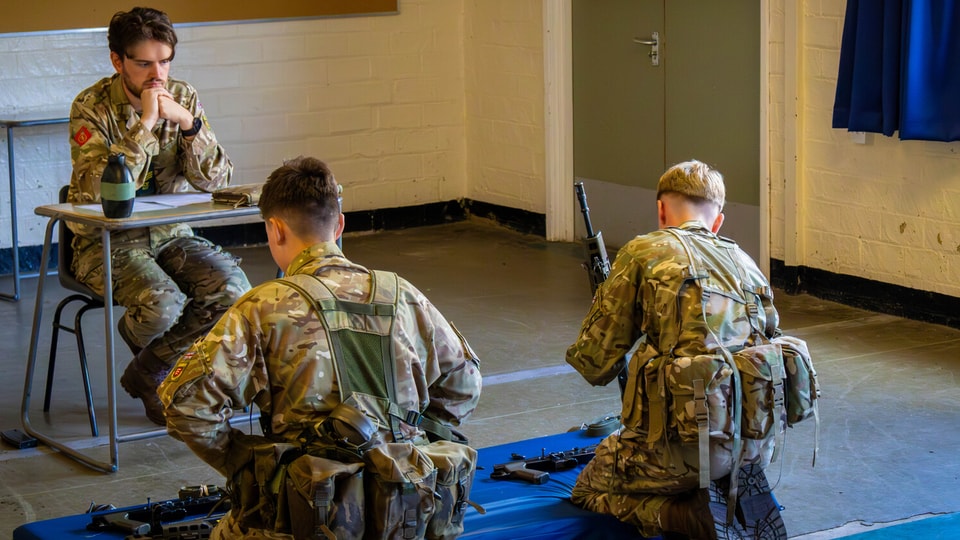
Weapon handling focuses on understanding equipment, following safety procedures and demonstrating responsible handling.
Cadets develop the knowledge, discipline and practical competence required before participating in relevant activities.
Shooting
Shooting lets suitably trained cadets apply their skills in controlled target shooting activities.
These activities focus on applying the skills that are fundamental to good shooting: concentration, self-discipline, patience and perseverance, confidence and self-awareness.
Find out more about shooting with Army Cadets.
Fieldcraft
Fieldcraft teaches cadets practical outdoor skills, including how to look after themselves when working outdoors as well as the basis of tactical knowledge, such as camouflage and concealment, observation, and movement.
Depending on the exercise, cadets may also apply their weapon handling knowledge during supervised fieldcraft training using blank ammunition to heighten the realism.
Discover more about fieldcraft training with Army Cadets.
Benefits of Weapon Handling Training with Army Cadets
Weapon handling training is about much more than learning practical procedures. It encourages cadets to develop important personal skills that can benefit them in everyday life.
Following established safety procedures teaches cadets to listen carefully, respect instructions, and take responsibility for their actions.
Weapon handling requires focus and attention to detail. Cadets learn to remain alert, follow instructions accurately and avoid distractions.
Learning unfamiliar skills can feel challenging at first. Through instruction, practice and assessment, cadets develop confidence in their ability to learn and demonstrate new skills safely.
Cadets learn that responsible behaviour is essential. Understanding the importance of rules, acting maturely, and being accountable reinforces good decision-making.
Training encourages clear communication, cooperation and respect for others. Cadets learn to support one another while maintaining the standards expected during group activities.
Weapon handling introduces cadets to structured learning, equipment care, and practical assessments, helping them develop skills they can apply during other Cadet Syllabus activities.
Information for Parents and Guardians
We understand that parents and guardians may have questions about weapon handling training, particularly if their child has never participated in this type of activity before.
Safety, responsible behaviour and appropriate supervision are central to how Army Cadets deliver weapon handling training.
Before practical handling begins, cadets receive instruction on the relevant safety procedures and expectations.
Trained adult instructors deliver training, supervise weapon and ammunition handling activities, and assess each cadet’s competence before allowing them to progress.
Appropriate protective equipment is provided or required for relevant activities, and all training takes place in controlled environments.
Cadets must demonstrate the maturity and responsible behaviour expected during these sessions. Instructors continue to monitor their progress and reinforce safety procedures throughout their training.
If you have questions about your child’s participation, the training available or the safety measures in place, your local detachment can provide further information.
You can also learn more about safeguarding and wellbeing at Army Cadets.
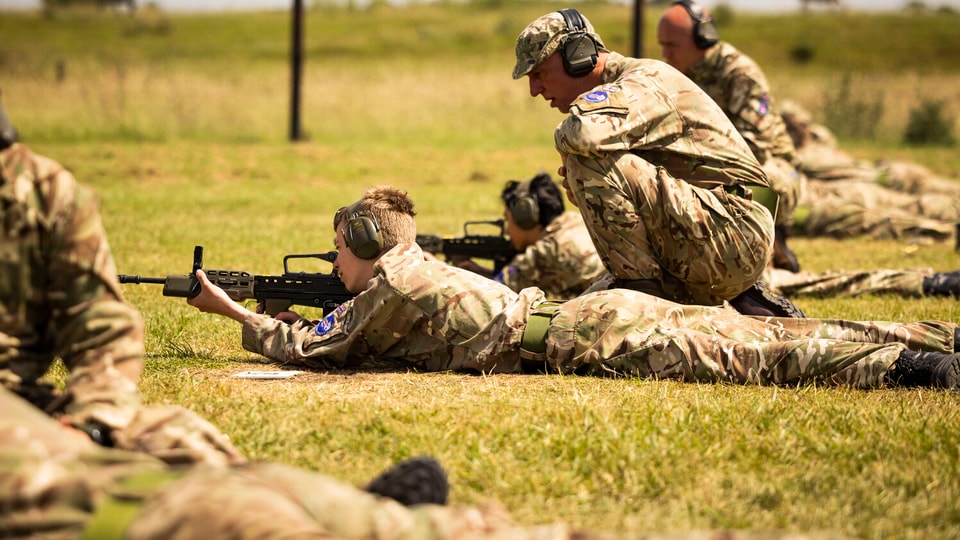
Find Weapon Handling Training Near You
New cadets begin with introductory training and gradually develop their skills as they progress through the syllabus.
The exact activities, equipment and training opportunities available may vary depending on location, facilities and training schedules.
Some specialist shooting activities and advanced training opportunities may be organised at county, regional or even national level.
Your local detachment can explain what training is currently available and how you can get involved.
Find Your Nearest Army Cadet Detachment
Weapon Handling in Action
Every cadet begins their weapon handling journey by learning the importance of safety, responsibility and following instructions.
For many, the initial challenge is becoming familiar with new equipment and procedures. With guidance from experienced instructors, cadets gradually develop their understanding and confidence.
As their skills improve, they may have opportunities to apply what they have learned during shooting and fieldcraft activities.
Weapon handling training shows how patience, concentration, and responsible behaviour help cadets overcome challenges and achieve new goals.
FAQs About Weapon Handling Training
Weapon handling training teaches cadets how to handle and care for weapons safely and responsibly. It is a progressive part of the Army Cadet Syllabus, delivered under the supervision of trained adult instructors.
No. Cadets first receive safety instruction and demonstrations before supervised practical handling. They must understand and demonstrate the required safety procedures before progressing.
Trained adult instructors directly supervise weapon handling activities. Cadets follow established safety procedures, use appropriate protective equipment and complete assessments to demonstrate their competence.
Yes. Cadets must demonstrate the required knowledge and practical competence through a weapon handling test before progressing to relevant activities. They must continue to follow safety procedures and remain under appropriate supervision.
Cadets typically begin with introductory air rifle training before progressing towards other syllabus-appropriate weapons, such as the Cadet General Purpose rifle. The training offered depends on their age, competence and syllabus progression.
No. Weapon handling focuses on safe operation, responsible handling and understanding safety procedures. Shooting allows suitably trained cadets to apply relevant skills during controlled target-shooting activities.
Learn more about shooting with Army Cadets.
No. Although weapon handling forms part of the Army Cadet Syllabus, the equipment, facilities and training opportunities available may vary between detachments and counties.
Use our detachment finder to find your nearest Army Cadet detachment. Your local detachment can explain the training available and how to get started.
No previous experience is required. Cadets begin with introductory training appropriate to their age and syllabus level, with instructors providing guidance and support as they develop their skills.
Yes. Parents and guardians are encouraged to speak to their local detachment if they have questions about weapon handling training, safety procedures or participation.
Are You Ready to Develop Discipline and Practical Skills?
Army Cadets offers young people aged 12–18 the opportunity to learn new skills, challenge themselves and build confidence through a wide range of supervised activities.
From weapon handling and target shooting to fieldcraft, first aid and adventurous training, there are plenty of opportunities to discover what you’re capable of.
Whether you want to develop your concentration, learn practical skills or make new friends, Army Cadets can help you take on new challenges and achieve more.
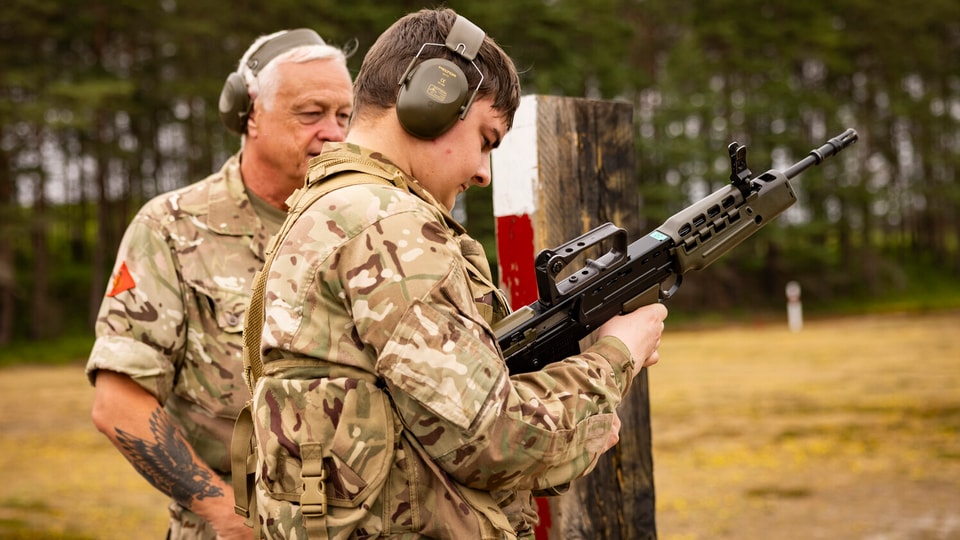
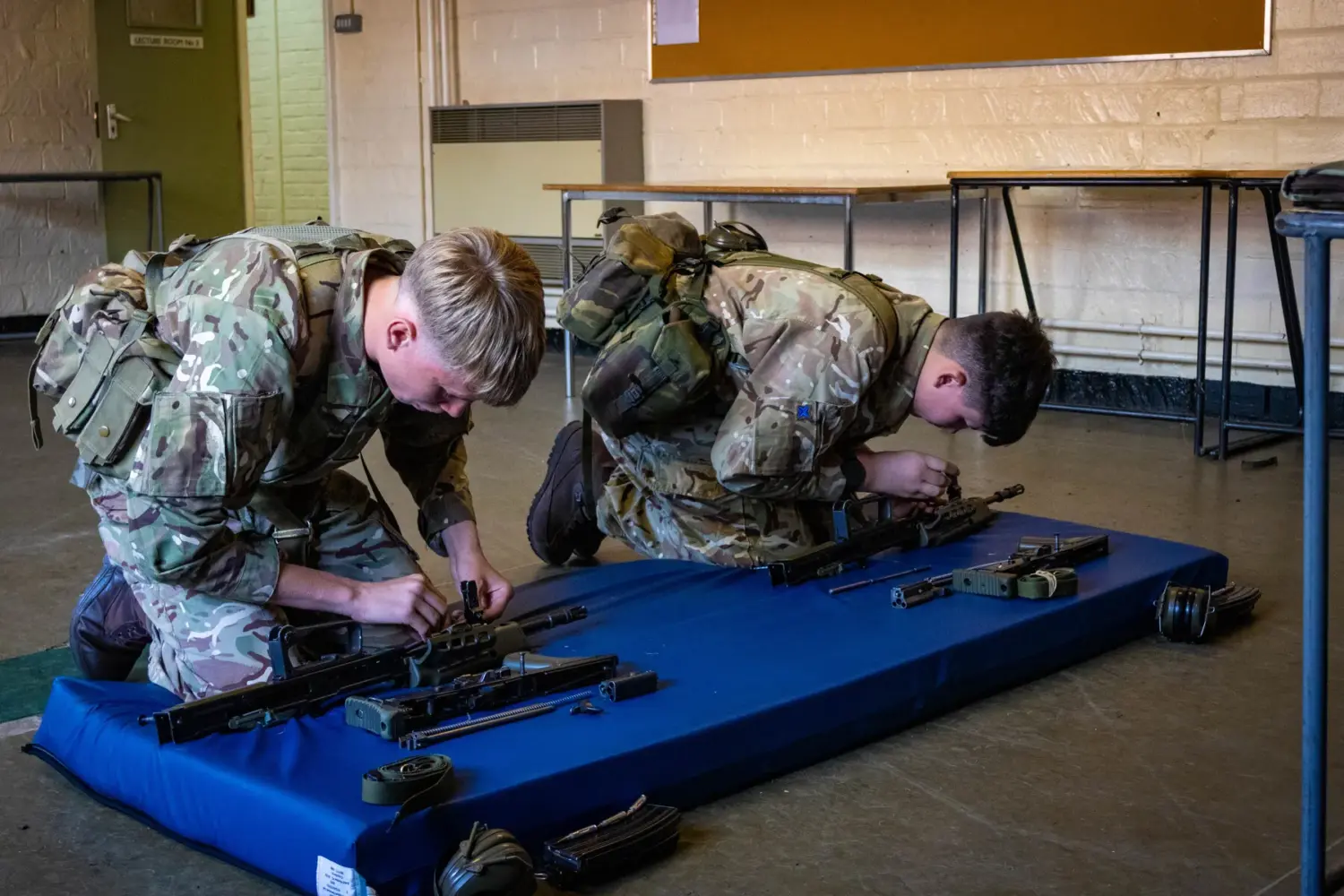
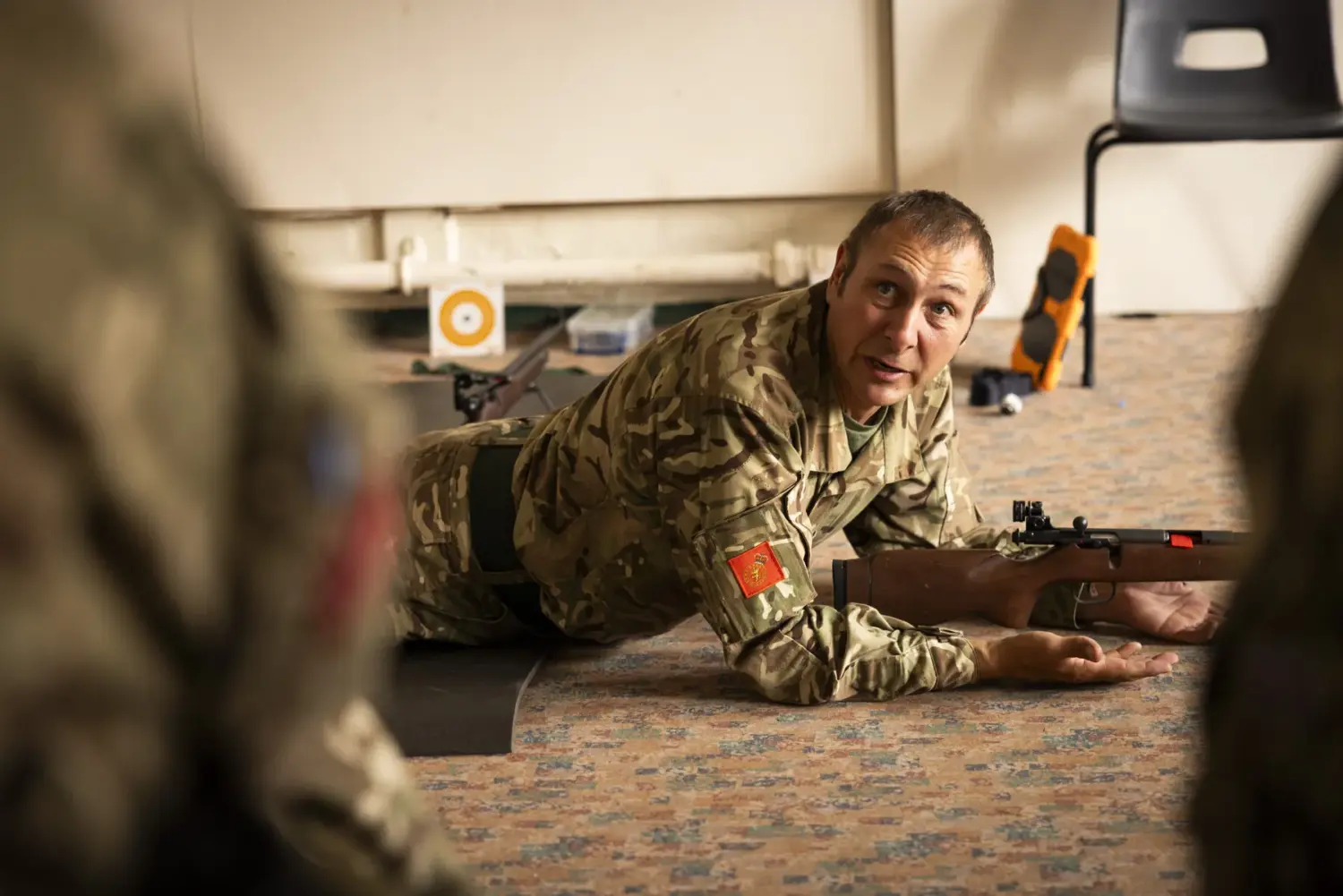
Weapon Handling Gallery
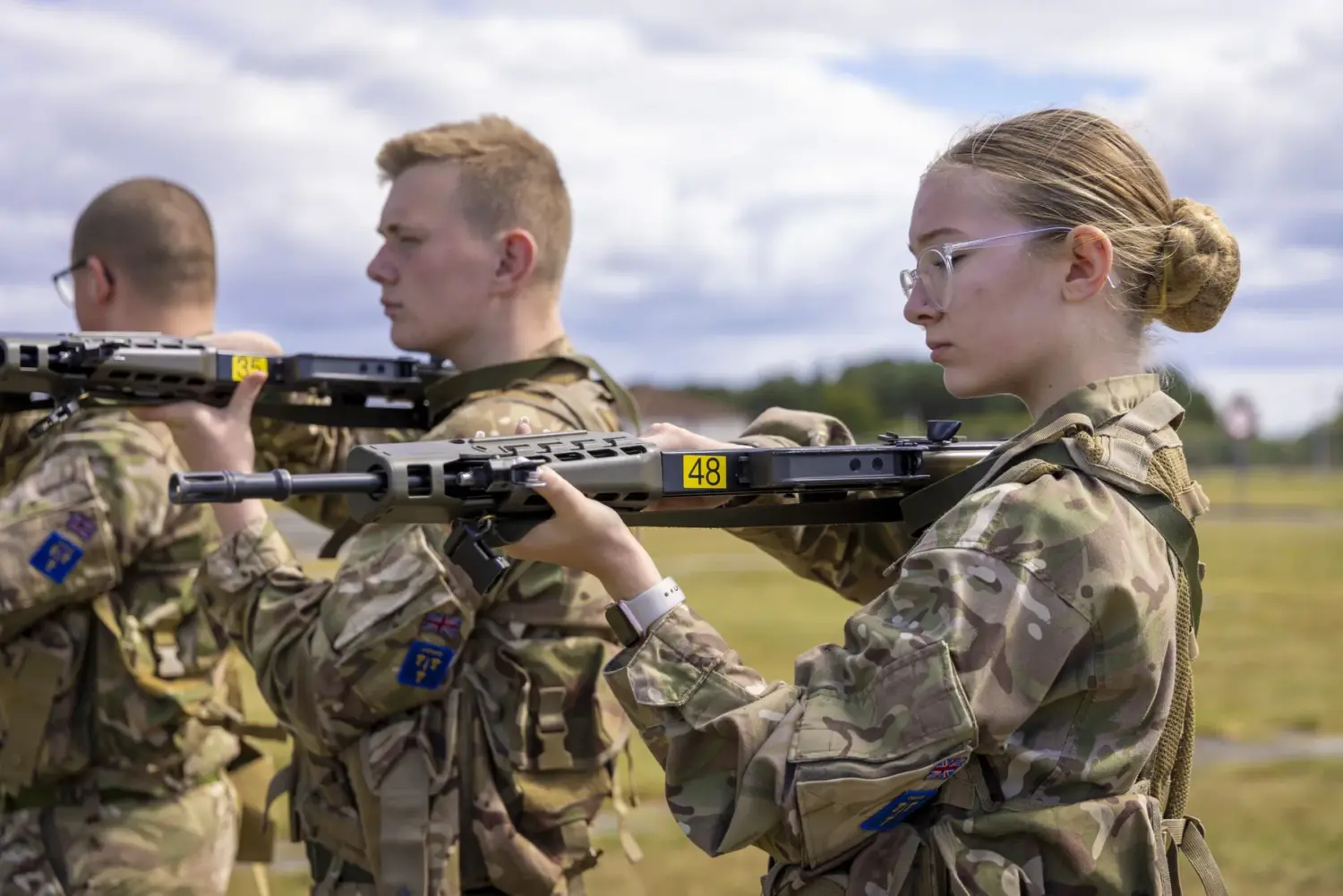
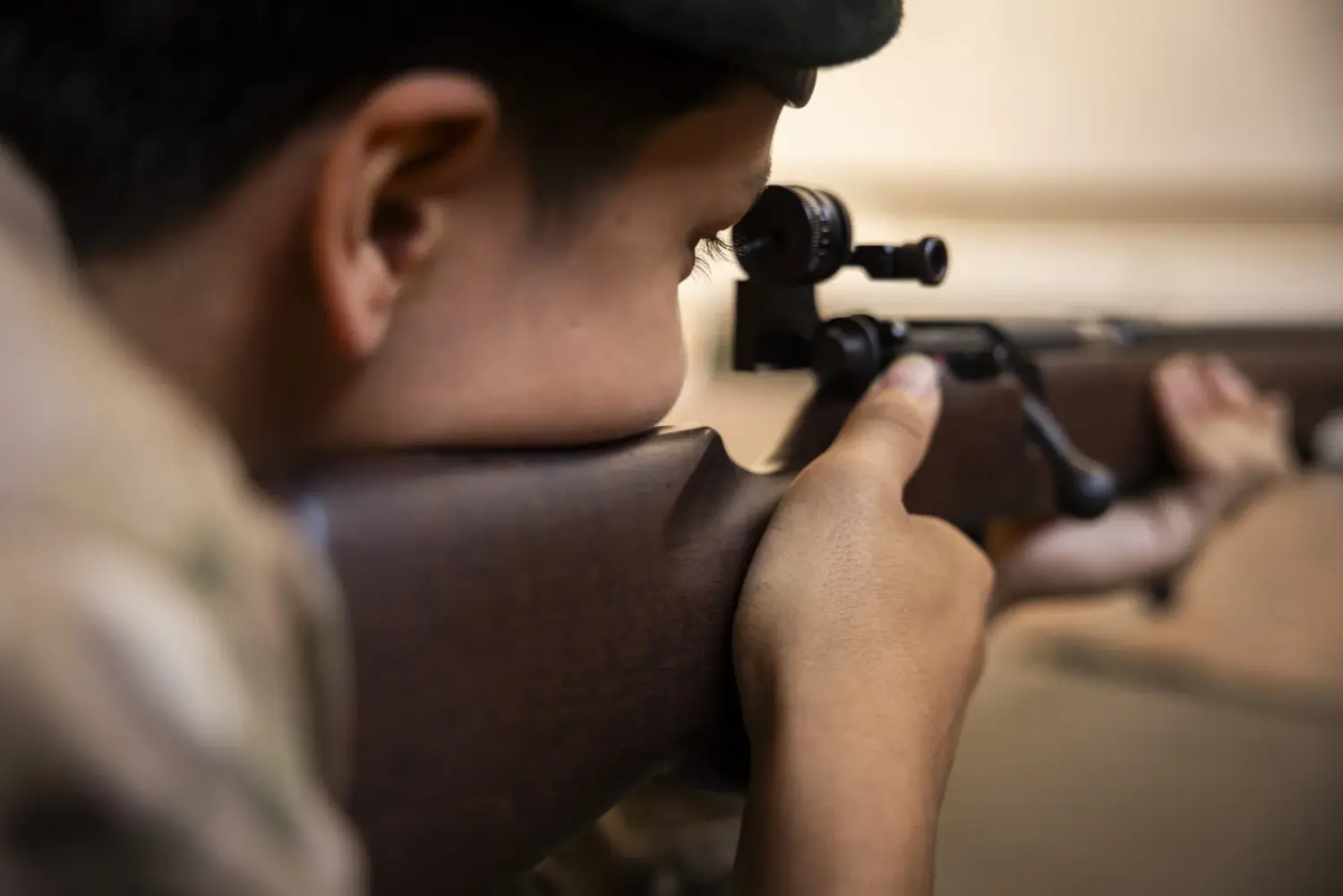
Discover weapon handling training in action and see how cadets develop their skills through structured, supervised activities.
CLICK ANY IMAGE BELOW TO VIEW LARGER
Discover More Through the Army Cadet Syllabus
Weapon handling is just one of the many activities available through Army Cadets.
Explore other opportunities, including shooting, fieldcraft, first aid, navigation, and adventurous training, and discover how the Cadet Syllabus helps young people build practical skills, confidence, and teamwork.
Explore the Army Cadet Syllabus