What Does It Mean To Be A Transgender Ally?
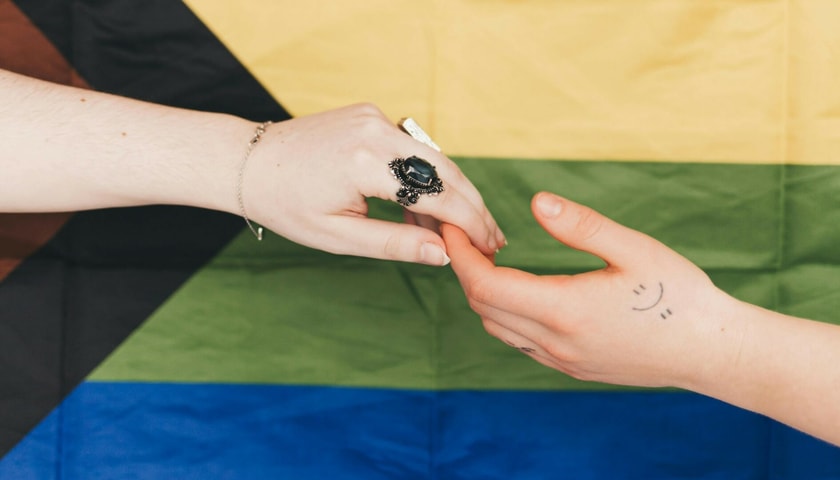
Being a transgender ally means using your voice, actions, and influence to create a more equitable and supportive world for transgender people while respecting their identities, experiences, and rights.
On the one hand, this is very simple. Compassion, tolerance, understanding and politeness are something we should all be able to express in every area of our lives.
On the other hand, we have not all lived the trans experience, and so while we may wish to be allies, there are still things we can learn to help us be more effective and supportive of those around us.
Diversidade e Inclusão is something we must work on together to ensure no one is left behind. We can all be transgender activists.
There is no ‘Correct’ Way to be Transgender
Transgender is a broad term. It covers individuals across a spectrum of gender identity, from those who have transitioned their physical appearance to match the gender they identify with to those who don’t experience any gender dysphoria but wish to present themselves in a way which matches their self-expression.
Remember that cultural expressions of gender vary around the world even for cisgender individuals. Simple acts like holding hands and greeting kisses will be different in each country. What is mundane and commonplace in one part of the world may be shocking in another.
Gender equality is based on the notion that gender and gender expression should not automatically affect how we act and relate to the people around us. This is true for all members of society.
How to be a Transgender Ally
Practically demonstrating that you are an ally takes work, and you can express your support in the things you do and say, as well as the things you don’t.
Educate Yourself
Begin by learning about what transgender identities and experiences involve and understand that the meaning of transgender may vary from person to person. A basic understanding of terms like gender identity, non-binary, gender dysphoria, and gender expression is good to know. Learning the language employed around transgender issues will help you communicate better, and good communication is the key to understanding.
Take the time to listen and learn from first-hand knowledge when you have the opportunity; there is no substitution for real experience.
Use Correct Names and Pronouns
Always refer to transgender individuals by the names and pronouns they choose. If you’re unsure, politely ask for someone’s pronouns, and correct yourself if you make a mistake. Pronouns are for everyone, not just trans individuals.
Learning someone’s name is a common courtesy for everyone, not just those who identify as transgender. Consider that in the UK, we have a cultural norm to change how you refer to an individual or a newly married person without thinking. It is a very simple way to show them respect and validation.
Respect Their Privacy
Understand that transgender people may not want to share every detail of their personal journey. Avoid asking invasive questions about their body, medical transition, or past. If they were already a good friend of yours, you may have a relationship where questions like this are more acceptable, but be sensitive, and let individuals share what they feel comfortable with.
Consider that just because an individual is transgender, that does not mean that is the most important element of who they are. They may not even have disclosed this information verbally. If someone has not disclosed to you that they are transgender, then there is no need to refer to it.
Become an Advocate for Transgender Rights
Advocate for transgender rights in both your personal and professional life. This could mean supporting policies that protect transgender individuals from discrimination, as well as promoting inclusive practices in schools, workplaces, and communities. If you encounter a discriminatory rule, expectation, or assumption, challenge it. There may be no good reason for it to exist.
Be a Friend
People undergoing a social or medical transition may face significant emotional, financial, or social challenges. You can make a big difference to those going through difficult times by offering a supportive ear, standing by them, or even participating in advocacy efforts.
Remember that cultural norms of how gender identity is expressed are a spectrum, not a binary. No one should feel alone.
There’s No Such Thing as a Perfect Ally
Being a perfect ally is impossible, in the same way that being a perfect friend is impossible. We all make mistakes in our relationships, and we have probably all caused unintentional offence at some time. But by living as an ally, being intentional about your words and actions, and treating everyone around you as human beings of value, your true motivations will be clear.
Ir mais longe com os Cadetes do Exército
Os Cadetes do Exército valorizam a igualdade e a diversidade como um ponto forte da nossa organização. O nosso objetivo é sermos tão inclusivos quanto possível dentro dos limites da oferta de formação e actividades seguras a todos os nossos cadetes e voluntários. Celebramos e encorajamos a inclusão de todos os nossos membros.
O nosso diversity and inclusion strategy provides support to our diverse culture. It focuses on improving our awareness and support of diversity, through leadership development, effective teamwork and ongoing education of our cadets, adult volunteers and professional support staff. We uphold high values and standards to ensure everyone within our organisation feels included and heard. Contact your local detachment today para participar.
Crédito da imagem: Lisett Kruusimäe