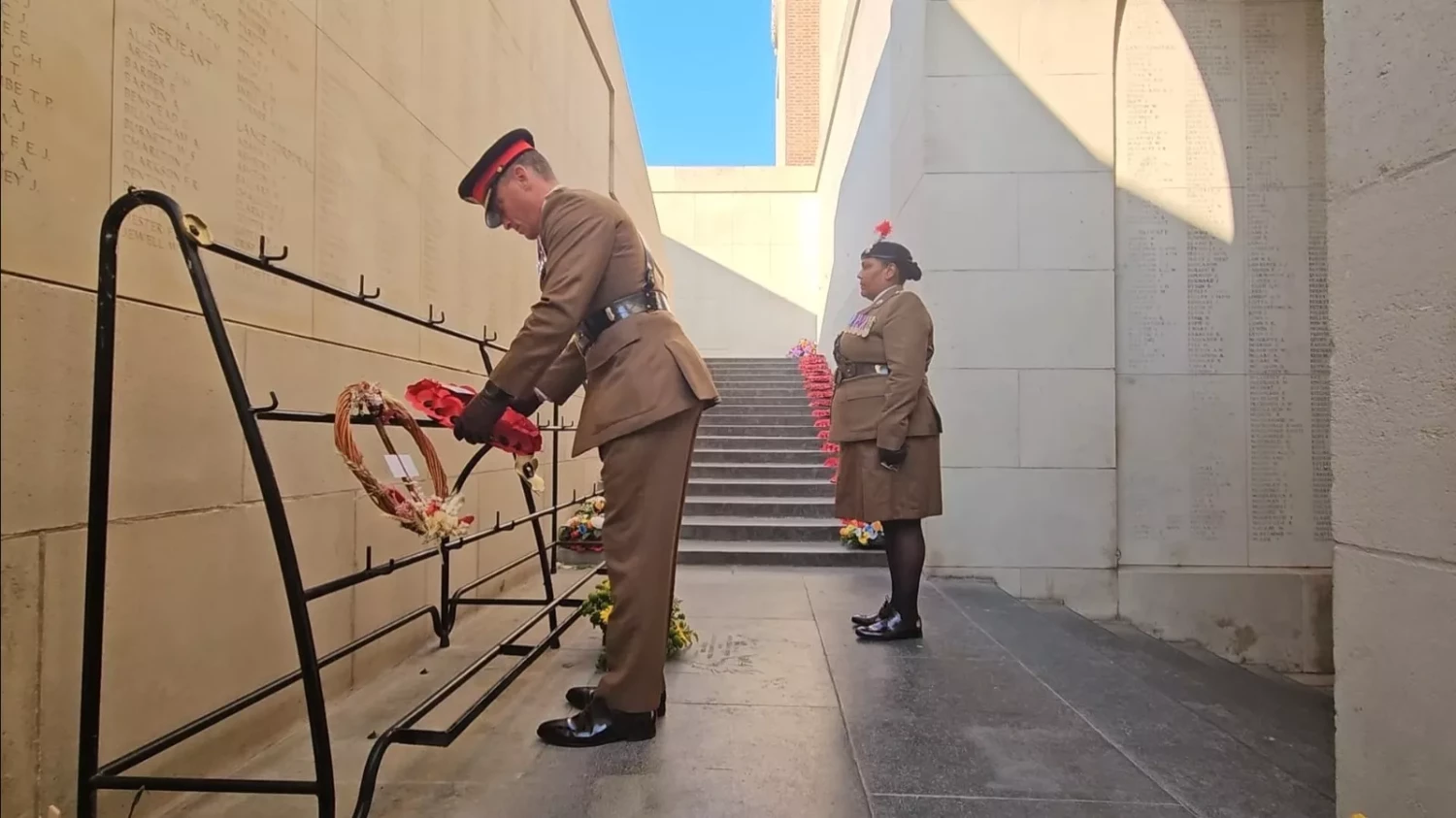
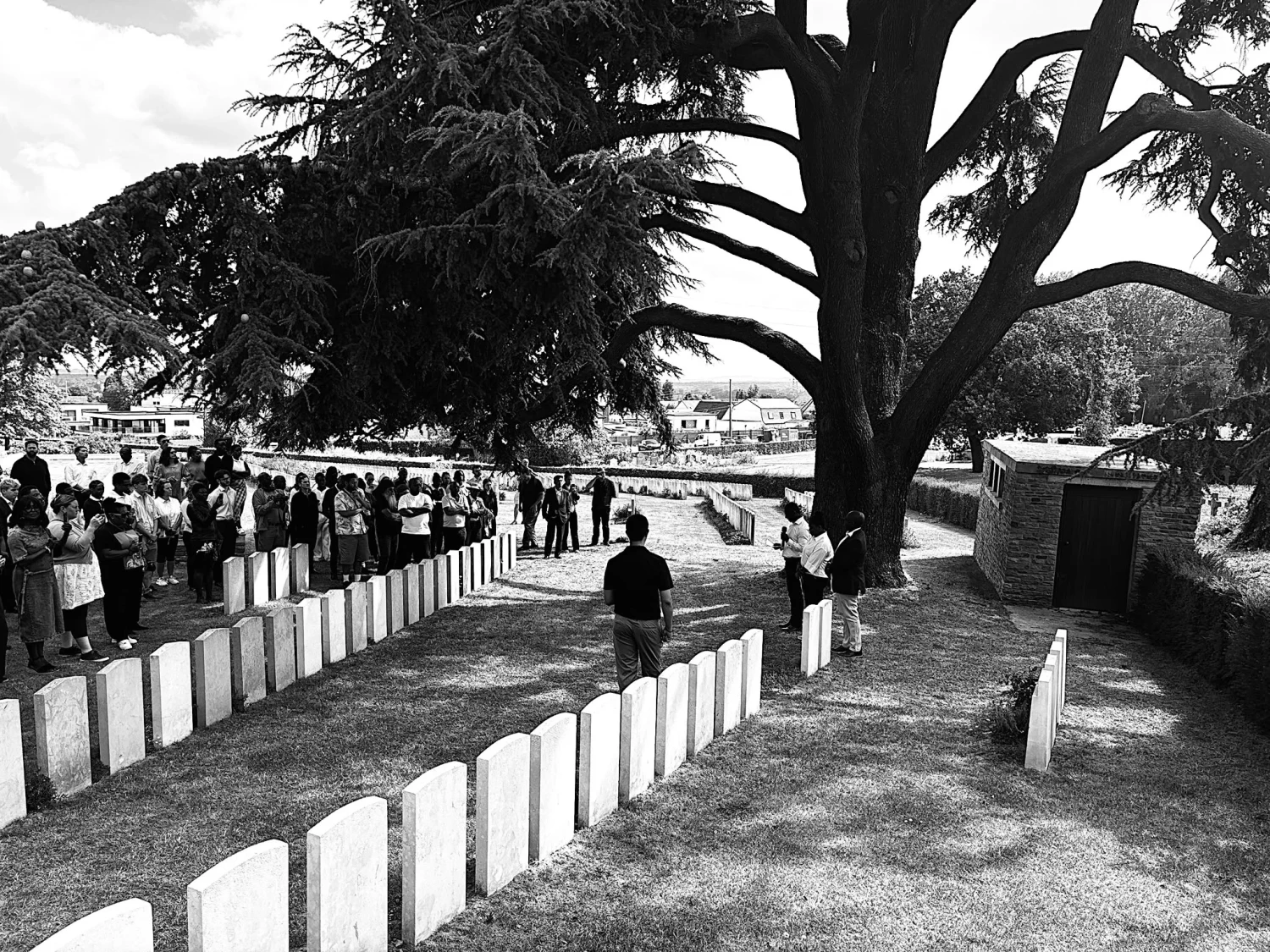
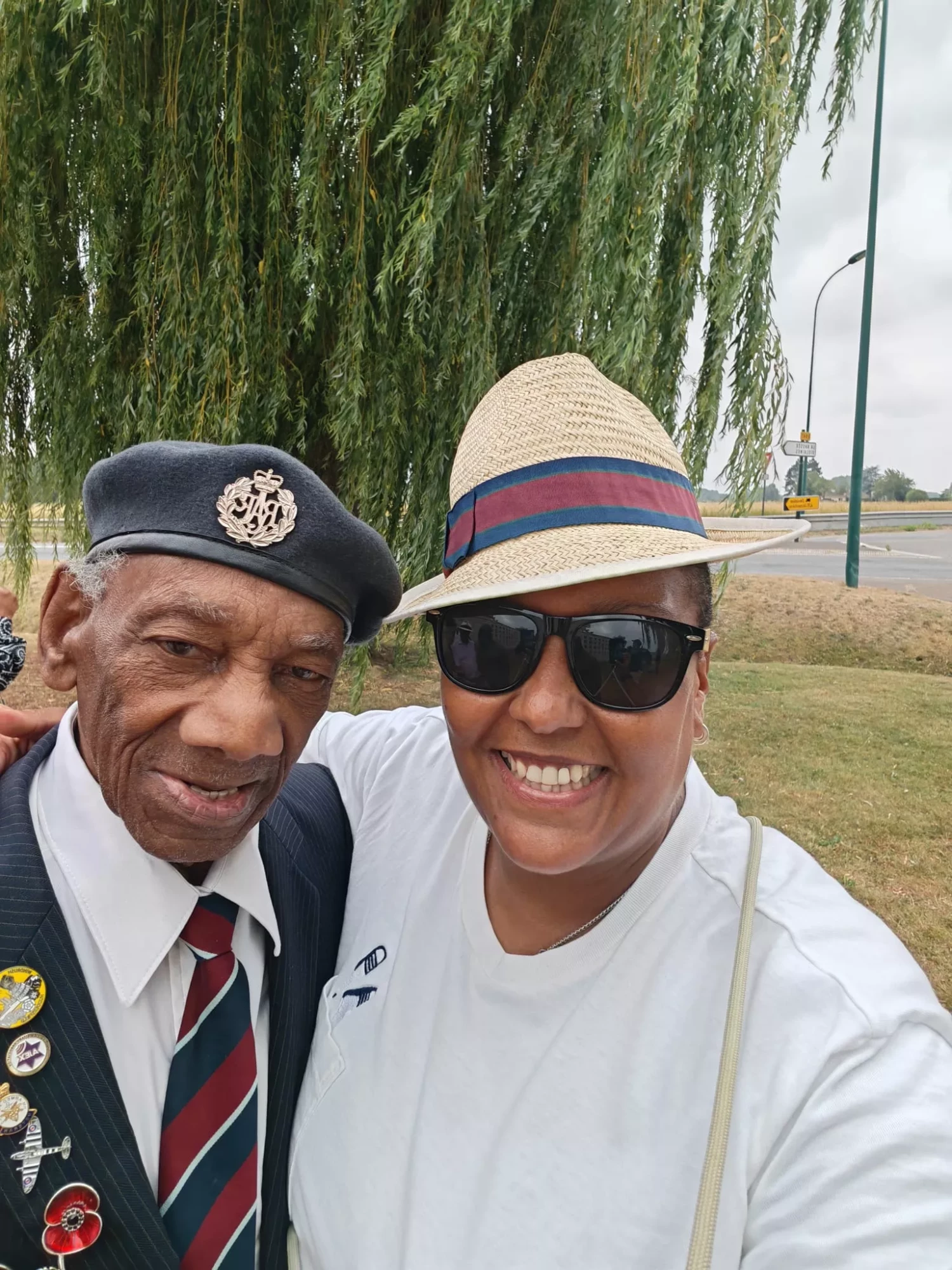
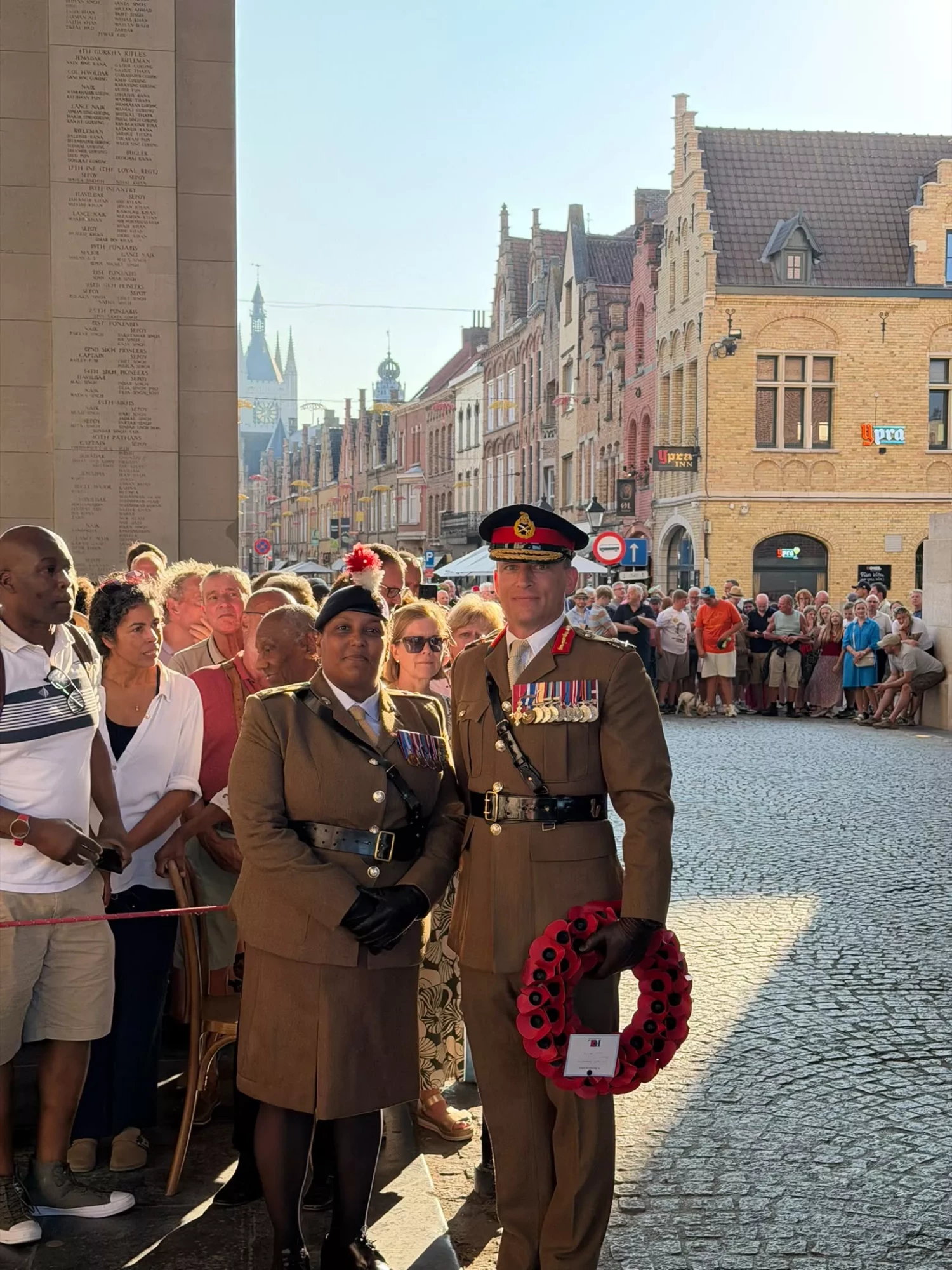
In July, a small number of Cadet Force Adult Volunteers (CFAVs) from the Diversity and Inclusion – Multicultural Network were invited to attend Operation Reflect – Global Chapter, a commemorative tour of World War One sites in France and Belgium. This remembered the millions of people from the Commonwealth who contributed and sacrificed their lives, including India, Africa, Canada, Australia, the West Indies, and other International countries, such as the 140,000 people from China who were shipped over to Europe to support logistics at the front line. This was a trip organised through the British Army in their efforts to acknowledge the history of Great Britain and the people from ethnic minorities who came to help fight and support its people when they were most in need. Lt Col Dionne Konstantinious from گریٹر لندن ساؤتھ ایسٹ سیکٹر was one of the CFAVs who attended and here is her experience of the weekend.
A Journey of Remembrance
It has been an immense honour to have been selected to attend what I hope will become the first of many annual commemorative visits, underpinned by meaningful work that continues long after we have returned home. This experience cannot become a single act of remembrance. It must become a movement of remembrance, one rooted in education, truth, reflection and our shared humanity, growing stronger with each passing year.
To walk these battlefields is to walk in the footsteps of history itself. To stand where so many stood before us, where courage, duty and sacrifice met unimaginable loss, is profoundly humbling. Yet what made this commemorative visit truly extraordinary was not only the places we visited, but the people beside whom I walked.
We came from different communities, cultures and lived experiences, yet we were united by something greater than ourselves: a commitment to service, remembrance and the belief that our diversity strengthens, rather than divides, us. Without question, this has been one of the most moving, challenging and reflective experiences of my time in the Army Cadet Force (ACF).
History has a remarkable way of reminding us that beneath every uniform, every medal, every rank and every nation, there is simply a human being. Someone who loved. Someone who hoped. Someone who feared. Someone whose life mattered.
Truthful storytelling is not about rewriting history; it is about restoring it. If we are genuinely committed to remembrance, then we must be equally committed to telling history in its entirety, not the comfortable version, not the sanitised version, but the honest one. Only then can we truly honour those who served.
Nowhere is that responsibility more important than within the ACF.
Inspiring the Next Generation of Cadets
Our young people deserve more than dates, battles and names engraved on memorials. They deserve to understand that history belongs to them too. They deserve to know that people who looked like them, sounded like them and came from communities like theirs served with distinction, demonstrated extraordinary courage and made sacrifices that helped shape the world they inherit today. When young people see themselves reflected in history, they begin to recognise that they also have the power and the responsibility to shape its future.
This experience has been an investment in future generations, equipping our cadets to become thoughtful, compassionate and courageous leaders who lead not simply through words, but through action, integrity and service.
One moment from this visit will stay with me forever. Amongst more than one hundred guests was a young woman participating in a Sandhurst outreach programme supporting young people from diverse backgrounds. She recognised me immediately. Years earlier, she had been one of my cadets. She thanked me for the encouragement, guidance and belief I had shown in her, and for being a positive representation, someone in whom she could see herself and who helped her believe she belonged.
In that moment, the significance of this experience became even clearer. We often wonder whether the conversations we have, the time we invest and the belief we place in young people truly make a difference. Standing there, watching a confident young woman flourishing, I found my answer.
We remember the past not simply to honour those who came before us, but to inspire those who will come after us. If this annual commemorative visit encourages even one young person to see their place in history, embrace service and become a force for good within their community, its impact will extend far beyond the battlefields of yesterday. It will live on in the leaders of tomorrow.