How to Apply Camouflage
Learning how to apply camouflage effectively is an important fieldcraft skill. Find out how to use cam cream to reduce shine, break up your outline and help you blend into your surroundings.
Why Do You Need Camouflage?
Good camouflage is a core ક્ષેત્રયાન skill. When you are trying to stay concealed, three key things can make you easier to spot: shine, shape, and contrast.
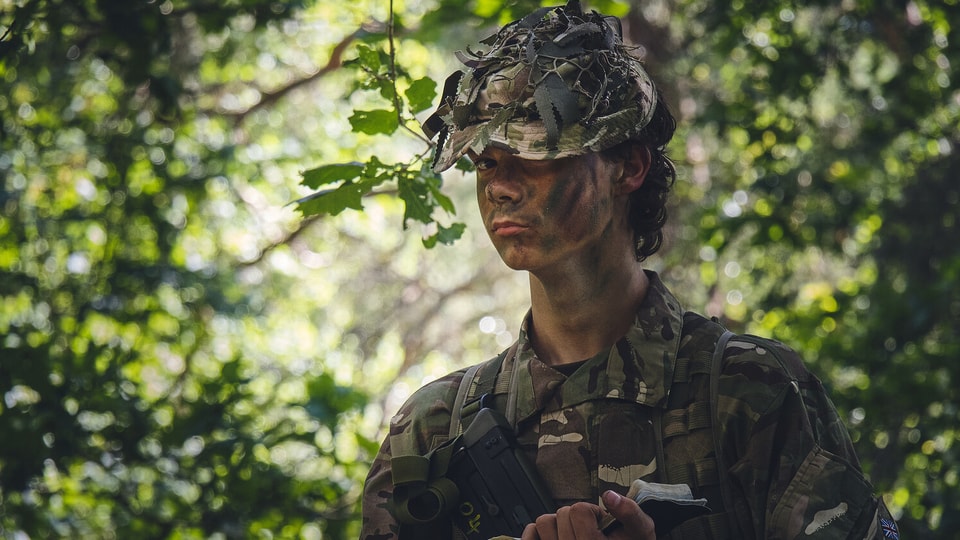
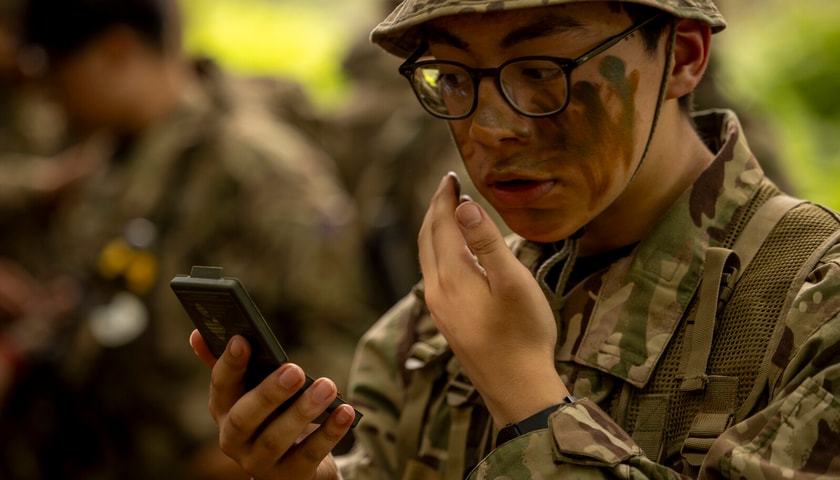
Your face and hands can naturally catch the light and their recognisable shape can stand out against your surroundings. Applying camouflage cream, or cam cream, helps to dull reflective skin and break up the familiar patterns of your face.
But remember, cam cream is only one part of effective camouflage. You also need to think about your surroundings, your position and anything else that could make you more noticeable.
Before You Apply Cam Cream
Before you start, use a mirror or ask another cadet to carry out a buddy check so you can see which areas need attention.
Take care when applying cam cream. Keep it away from your eyes and lips and, if you have sensitive skin, stop using it if you experience irritation and clean it off.
Start with Areas That Catch the Light
Begin by applying cam cream to the areas of your face that naturally catch the most light, including your:
- Nose
- Cheekbones
- Chin
These areas can create shine and make you easier to spot.
Apply a thin layer of cam cream and gradually build it up where needed. Avoid applying one thick layer across your whole face.
Break Up the Shape of Your Face
Effective camouflage disrupts recognisable shapes rather than simply painting your face.
Avoid covering your face in one solid, uniform colour. Instead, use uneven lines and blocks to break up its natural shape. Slightly blend the edges so you don’t end up with neat, obvious stripes.
Think disrupt, not paint.
A single, even colour can stand out just as much as uncovered skin, so aim to create an irregular appearance that works with your surroundings.
Don’t Forget the Easy-to-Miss Areas
Once you’ve covered your face, check the areas that can easily be forgotten.
Make sure you consider your ears, neckline and the backs of your hands. If these areas remain bright, they could stand out even if your face camouflage is effective.
When you’re finished, step back a few metres or ask a buddy to check your camouflage. Look for any areas that still stand out, and adjust as needed.
Camouflage Is More Than Cam Cream
Your face isn’t the only thing that can give away your position. Anything shiny on your kit can catch the eye, so check for reflective items and cover, dull or reposition them where appropriate.
Cam cream supports good camouflage, but it isn’t a substitute for effective concealment. Use cover from view, keep a low profile and choose positions that help you blend naturally into your surroundings.
Practise Your Camouflage Skills
The more you practise, the easier it becomes to recognise what works.
Use buddy checks and look at your camouflage from different distances. Most importantly, adapt it to the terrain and environment around you.
By reducing shine, breaking up recognisable shapes and avoiding strong contrasts, you can make yourself much harder to spot during fieldcraft activities.