Inside UK Special Forces: What Makes the SAS So Elite?
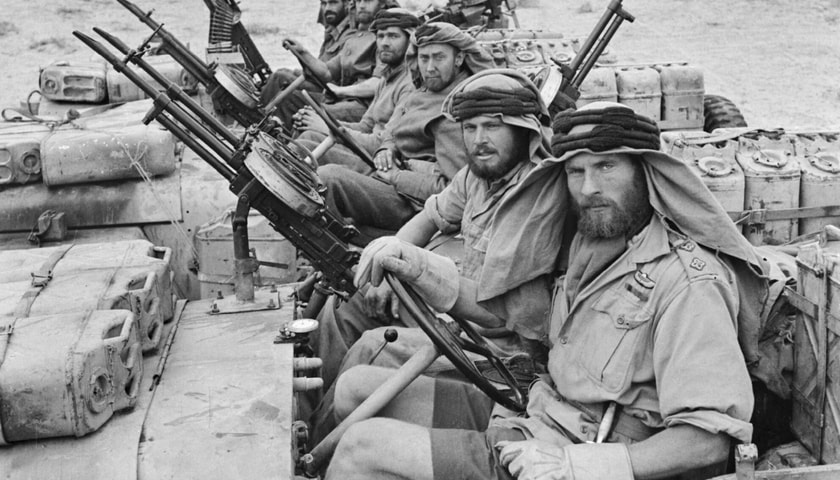
The word “special forces” is often associated with movies or video games, but what they really do is far more complex and often more of a mystery to the general public. The UK special forces are an example of what happens when elite fitness meets an unbreakable mindset. So, what do UK special forces (UKSF) do, and what makes the SAS one of the most elite units in the world?
To understand, we need to go back to where it all began.
The Origins of UK Special Forces
The Special Forces originated during World War II (1939–1945), when the British created a range of special units to combat the Axis forces in North Africa and occupied Europe. The British SAS, standing for Special Air Service, was founded in July 1941 by Lieutenant Colonel David Stirling, who believed that small, highly trained teams could cause more damage behind enemy lines than traditional regiments.
The early British special forces pioneers conducted sabotage missions, destroyed aircraft and infrastructure behind enemy lines and relied on stealth and mobility rather than large-scale combat. Developments in communication and information systems, فیلڈ کرافٹ, reliable road vehicles and heavy-duty weapons made daring missions possible. They also had powerful support from Winston Churchill, who was keen to fight and win.
The Special Forces family tree: 21, 22 and 23 SAS
Over time, the SAS developed into several units, each with a specific role within the UK special forces.
21 SAS
After the war, SAS was disbanded for a short time. As the British Empire declined and Cold War conflicts grew, it was reformed in 1947 as part of the Territorial Army as 21 SAS.
Based in London, 21 SAS is a reserve unit made up of “part-time” soldiers who also have civilian jobs, from teachers and lawyers to mechanics and artists, but they undergo tough training to the same standards as the regular SAS. They specialise in surveillance and support for overseas deployments.
22 SAS
In 1951, a full-time unit, 22 SAS, was created in Malaya during the Malayan Emergency, where they pioneered jungle warfare techniques and lived among local tribes to counter terrorism.
Now based at Stirling Lines in Hereford, they are on call 24/7 and are split into four main Squadrons specialising in different areas: Mountain, Air, Boat and Mobility (vehicles). They carry out high-risk operations like counter terrorism and hostage rescue operations across the globe.
23 SAS
In 1959, a third unit, 23 SAS, was formed to give UKSF greater reach. Based in the Midlands and north of England, they provide additional reserve capability for the rest of the UK, while 21 covers the south. Built largely from reserve soldiers with backgrounds in intelligence and surveillance, they focus on learning how to survive and operate in enemy territory without being seen.
| Regiment | Status | Speciality |
| 21 SAS | Reserve (Part-time) | Long-range reconnaissance and intelligence gathering. |
| 22 SAS | Regular (Full-time) | Counter-terrorism, hostage rescue and high-speed raids. |
| 23 SAS | Reserve (Part-Time) | Specialist survival and covert operations. |
The Iranian Embassy Siege (1980): A turning point for UKSF
The UKSF went from a small unit operating in secrecy to a popular household name during Operation Nimrod in 1980. When gunmen took hostages at the Iranian embassy in London, the SAS performed a daring daylight raid, broadcast on live television. The images of soldiers in black combat uniforms and gas masks quickly became the symbol of courage and professionalism.
This moment triggered widespread public interest in SAS, led to countless documentaries and newspaper coverage, and sparked a lasting fascination with elite UK forces. Since then, the UK special forces have continued to evolve.
UK Special Forces today
Today, the UKSF consists of several specialist units:
- Special Air Service (SAS)
- Special Boat Service (SBS)
- Special Reconnaissance Regiment (SRR)
- Special Forces Support Group (SFSG)
Together, they are trained to handle the most dangerous and difficult missions imaginable, including counterterrorism, surveillance and high-stakes rescue operations. While operating separately from the regular Army, Navy and Air Force, they often work alongside them during major high-stakes operations.
Some of those who served in these elite units have gone on to become well-known beyond the special forces.
Famous faces who served in the SAS
Many former SAS members went on to become household names, sharing their experiences and inspiring others.
- Chris Ryan – Now a well-known author and television presenter. Chris Ryan is a former 22 SAS operator. He became widely recognised for his role in the Bravo Two Zero patrol during the 1991 Gulf War, escaping on foot across Iraq and Syria while facing extreme physical hardships.
- Andy McNab – Andy McNab joined the army as a teenager and later passed the selection for 22 SAS. Another veteran of the Bravo Two Zero patrol, he is now a bestselling author, writing both real-life accounts and fiction inspired by his experience.
- Bear Grylls - Bear Grylls served as a trooper in 21 SAS reserves for three years (1994-1997) before becoming a world-famous adventurer and television presenter. His background as a reserve soldier helped build the survival skills he later used in extreme environments.
Their journeys show that the qualities developed in special forces can lead to success in many different paths in life.
The Ultimate Test: Could You Pass the SAS Selection?
SAS, with its motto ‘Who Dares Wins’, is known for having one of the toughest selection processes in the world. They are highly selective, and applicants must undergo 6 months of multi-phase, extreme physical and mental challenges to test their limits.
Whether you’re a civilian applying for the reserves or a serving soldier aiming to join full-time, the challenge is immense.
The selection process for 21 and 23 SAS is typically divided into 5 stages:
- Briefing course: At this stage, the soldiers are briefed on the qualities and standards required to be a part of UKSF. The initial assessment will ensure that they can meet the required physical fitness and aptitude standards to continue.
- Selection phase 1 – Endurance: Often known as the ‘Hill phase’, this phase involves long-distance marching over difficult terrain while carrying heavy loads and completing tasks within strict time limits.
- Selection phase 2 – Jungle Training: Training takes place in deep jungles, focusing on survival and patrolling skills. It involves looking after themselves and their kit while facing harsh weather conditions such as heat, rain and cold, testing not just their physical but also their mental endurance.
- Selection phase 3 – Escape and Evasion (E&E) & Tactical Questioning: For this phase, candidates must demonstrate their ability to escape enemy lines and remain calm while maintaining the cover story under intense interrogation.
- Advanced training: After going through 6 months of training, this phase will include communication skills, planning missions and specialised training in areas such as survival and surveillance.
From cadet to special forces
Those who successfully pass the selection phases are awarded a coveted sand-coloured beret with the ‘Winged Dagger’ insignia. Even then, they regularly undergo training to maintain the elite standard required to meet the challenges on the field.
For a cadet, the journey to becoming an elite soldier starts now. The SAS looks for determination, leadership, adaptability and intelligence. They don’t just want someone who runs the fastest or is the strongest; they’re looking for the ones who refuse to quit when things get tough. So stay focused, keep pushing and remember: Who Dares Wins.
Go further with Army Cadets
If you have the passion to learn or want to push yourself to a challenge, Army Cadets offer the chance to build valuable skills. From navigation and expeditions training to learning how to safely handle equipment. Find your nearest detachment today and show us what you are capable of.
تصویری کریڈٹس
SAS in North Africa 1946 – Public Domain