Volunteers’ Week Spotlight: Sgt Helen Hughes
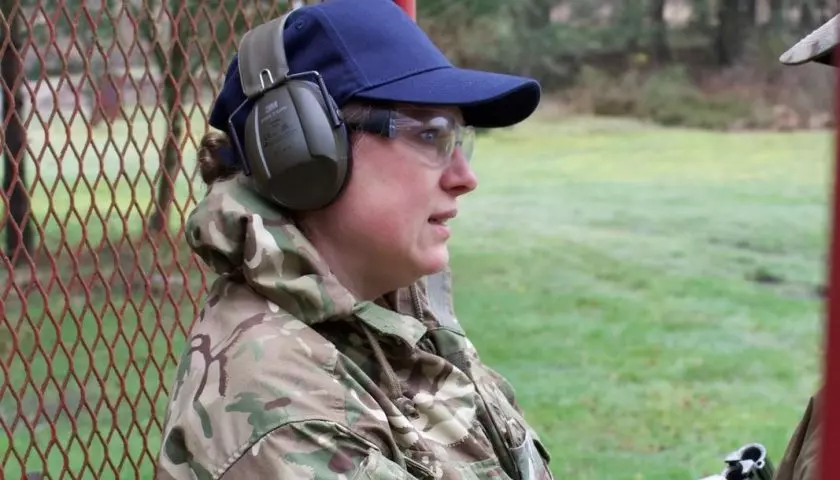
From cadet parent to volunteer
For Volunteers’ Week, we are shining a light on the dedicated adults who give their time to support young people through the Army Cadets. Sgt Helen Hughes is one of those volunteers whose journey into the organisation began as a parent of current cadets.
Sgt Hughes first saw the positive impact the Army Cadet Force (ACF) was having on her two sons and wanted to help ensure other young people could benefit from the same opportunities. What started as supporting a detachment short on volunteers soon became a rewarding role where she now helps train and inspire cadets each week.
Alongside volunteering at સરે આર્મી કેડેટ્સ, Sgt Hughes works as a Nurse Practitioner in a GP surgery and brings a wealth of experience, enthusiasm and encouragement to her role as a Cadet Force Adult Volunteer (CFAV).
Q&A with Sgt Helen Hughes
Can you tell us a bit about yourself and what you do in your day-to-day life outside of the Army Cadets?
I’m a Nurse Practitioner in a GP surgery, where I see and treat patients with a wide variety of conditions. I also run a weekly clinic at a residential home for people with epilepsy and learning disabilities, which is a part of my job that I find especially rewarding. Outside of work, I enjoy walking, yoga, reading and very occasionally, golf.
What first made you consider volunteering with the Army Cadets, and what finally made you take the step?
Growing up, I was involved in Brownies, Guides and Venture Scouts, so I know how much youth organisations can shape young people. When both my sons joined the ACF and absolutely loved it, I saw that impact all over again.
Their detachment was short of volunteers and sometimes couldn’t open, which left them disappointed. That’s when I first considered joining. One day, while collecting them from an event, I got chatting to a CFAV. That conversation gave me the confidence to sign up. I could see how hard the volunteers were working and wanted to give something back.
What positive impact have you seen in your sons since starting?
I have two sons in the ACF, one a Sgt Maj and one an LCpl, and the difference in both has been incredible. Their confidence has grown, and they’ve had opportunities they wouldn’t have had anywhere else. The discipline has also been helpful in the run-up to GCSEs.
My older son is now the lead singer in a metal band, something he says he’d never have had the confidence to do without the ACF. He’s also completed his માસ્ટર કેડેટ and competed in the Cadet Cambrian Patrols, where his team won gold and Best ACF.
My younger son, who’s always been the quieter one, has found his drill voice and is growing in confidence. He’s also just completed Cadets in Enterprise, pitching a business idea Dragon’s Den-style and finishing with a visit to the London Stock Exchange.
Did you have any doubts or misconceptions about volunteering before you joined, and how did reality compare?
I was a bit apprehensive because I don’t have a military background and wasn’t sure what to expect. Speaking with existing CFAVs reassured me that I could absolutely do it.
I’m so glad I joined. I’ve learned new skills, put old ones back into practice, made new friends and found something incredibly rewarding. Seeing cadets enjoy activities and grow in confidence makes every bit of effort worthwhile.
What does a typical week look like for you as a volunteer?
A typical week involves attending detachment on Tuesday and Thursday evenings, helping run activities and training cadets in various subjects. My main areas of expertise are પ્રાથમિક સારવાર અને માર્ગદર્શન, but I get involved in everything, even if I’m still getting to grips with drill and turnout.
What skills or experience do you bring to your role, and how do you use them?
My nursing background naturally lends itself to teaching first aid, which I really enjoy. My time in the Guides also sparked a love of navigation, so it’s great to bring that into my training sessions too.
Can you describe a moment when you realised the difference you were making to a young person?
I was running a first aid lesson. One cadet was finding it more difficult than the others to grasp the sequence. We went through it slowly several times, taking time and answering his questions. He then went on to do the whole thing unaided. Seeing that shift in confidence, that “I can do this” moment, made me realise the impact we can have.
What has volunteering given you personally, and what do you get out of it?
Volunteering has given me a sense of purpose outside of work, new friendships, new skills and the joy of watching young people grow into themselves. It’s incredibly fulfilling to know you’re helping shape their confidence and resilience.
How would you describe the community or camaraderie among volunteers?
I was made to feel welcome from the very start. I went on Annual Camp last year while still very new, and the support from other CFAVs was brilliant. I felt part of the team straight away. Camp was a fantastic way to get to know people and to see everything the Army Cadets offers young people.
What’s the one thing you wish you’d known before you became a volunteer?
I wish I’d known how friendly the CFAV community is. I spent time worrying about not having a military background, but it turned out not to matter at all. Everyone helps each other, and there’s always someone willing to guide you. If I’d known that earlier, I’d have joined sooner.
What would you say to someone who’s been thinking about volunteering but hasn’t taken the plunge yet?
Do it. It’s an amazing opportunity for young people and adults alike. Seeing cadets grow in confidence, learn new skills and push themselves is incredibly rewarding.
ફરક લાવો: આર્મી કેડેટ્સ સાથે સ્વયંસેવક બનો
Becoming an Army Cadet adult volunteer means stepping into a role filled with purpose, adventure, and personal growth.