Challenger Tall Ship Voyage
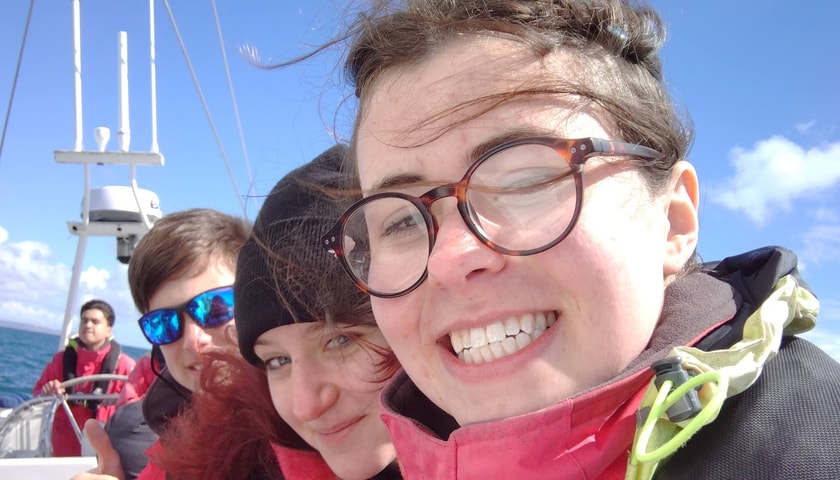
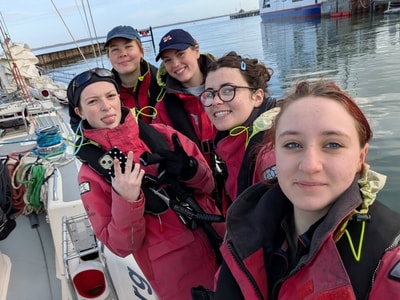
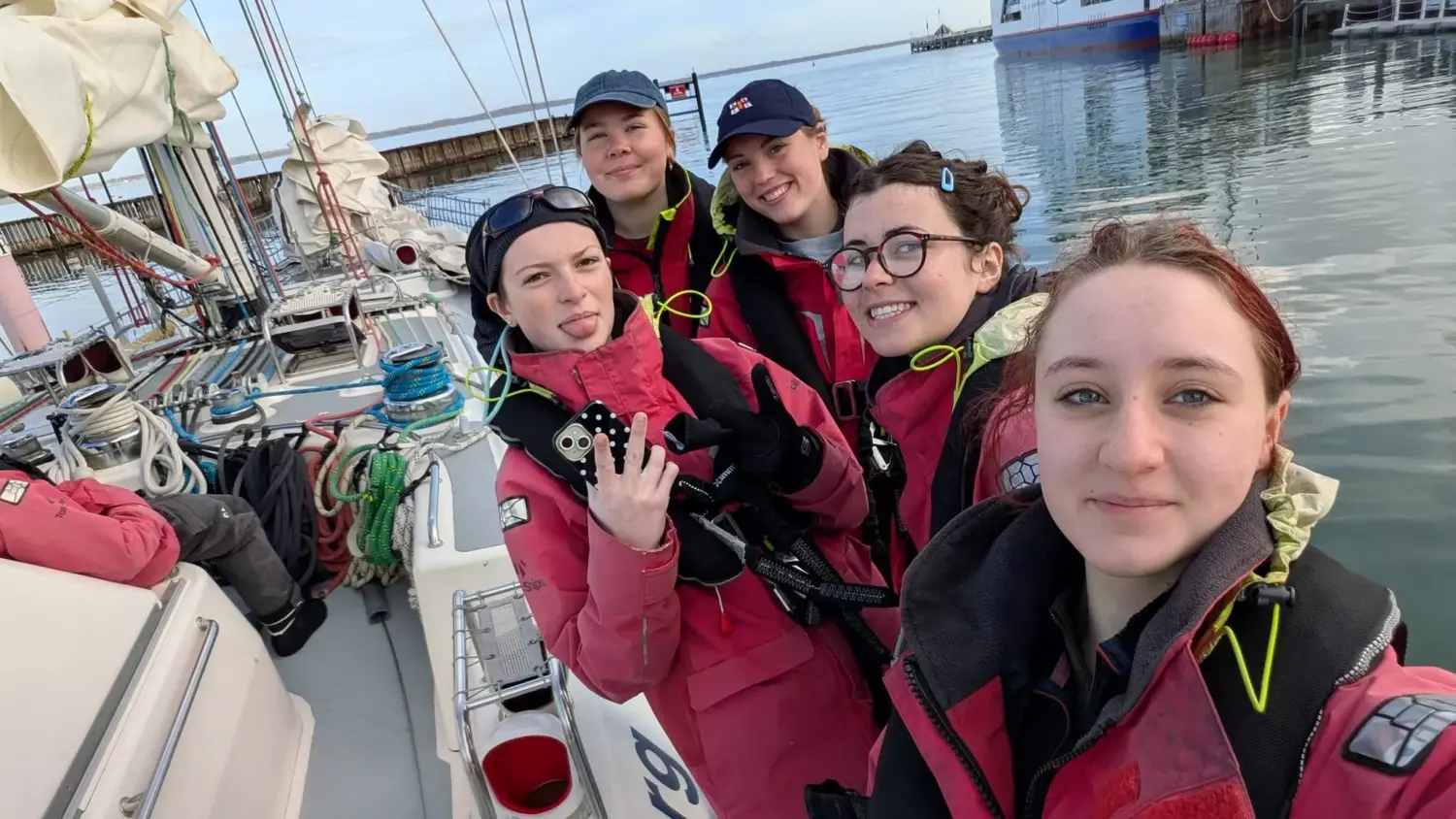
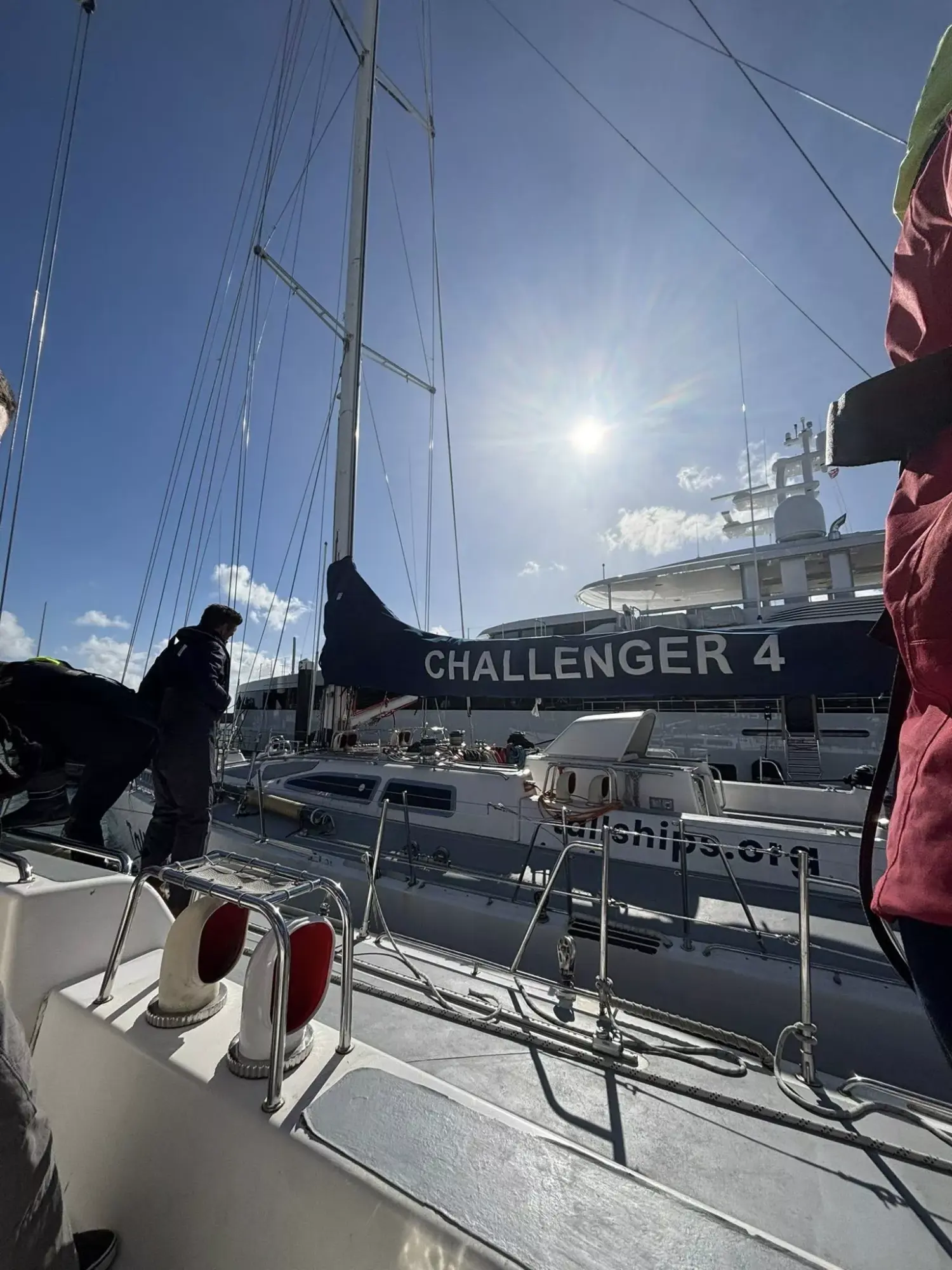
Cadets and CFAVs from Wessex crewed Challenger 1 with the Tall Ship Youth Trust, a youth development and outdoor learning charity.
Crewing the Challenger 1 were four Army Cadets from Devon, one from Cornwall, one from Bristol, two from Dorset and two from Wiltshire. Including the CFAVs accompanying them, there were 10 RYA Competent Crew Passes with 8 DofE Gold Residential components completed.
A cracking week sailing with the Tall Ships Youth Trust and Army Cadets from the Wessex (SW) Region! - WO2 Pritchard
Day one at sea
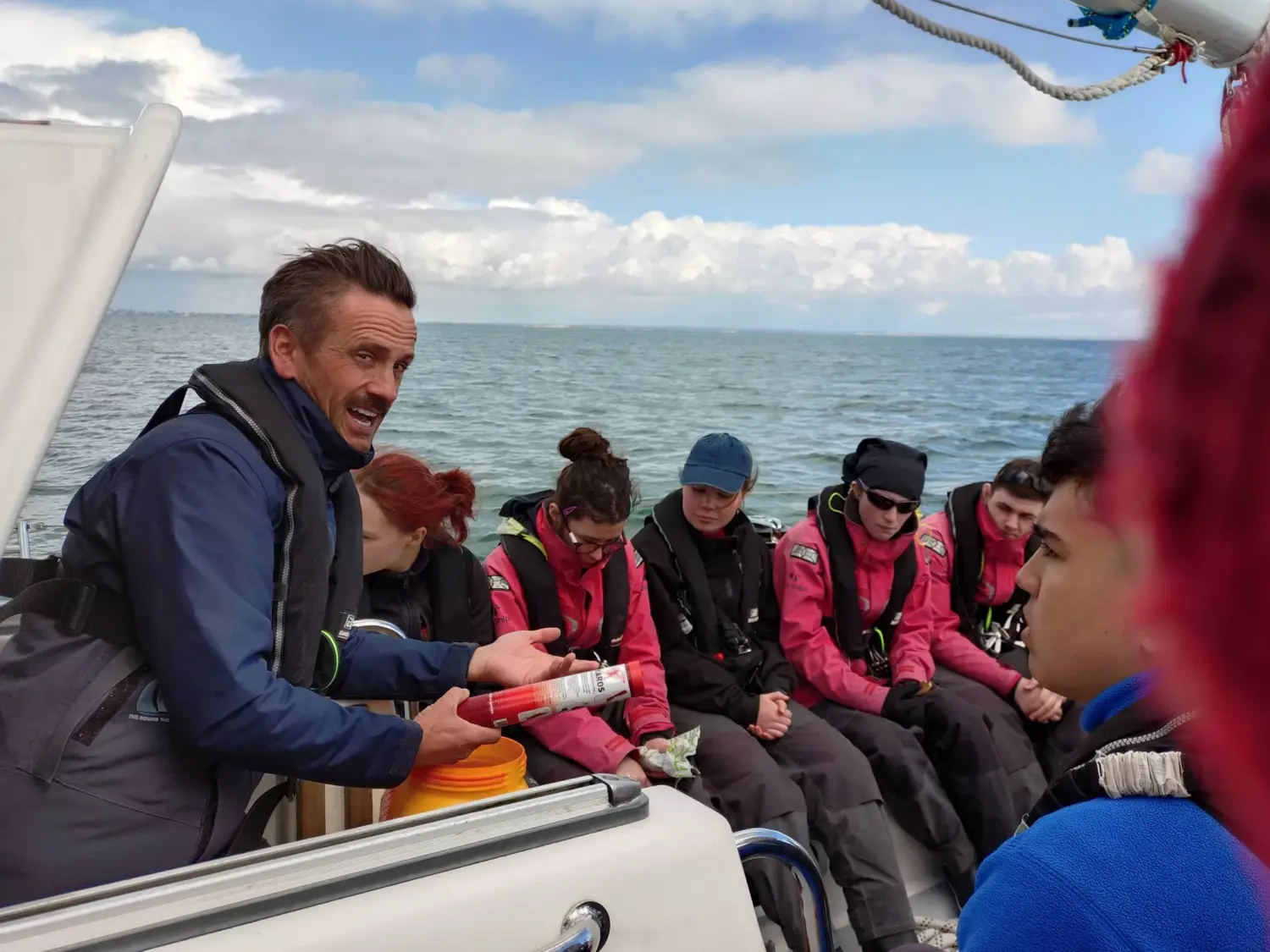
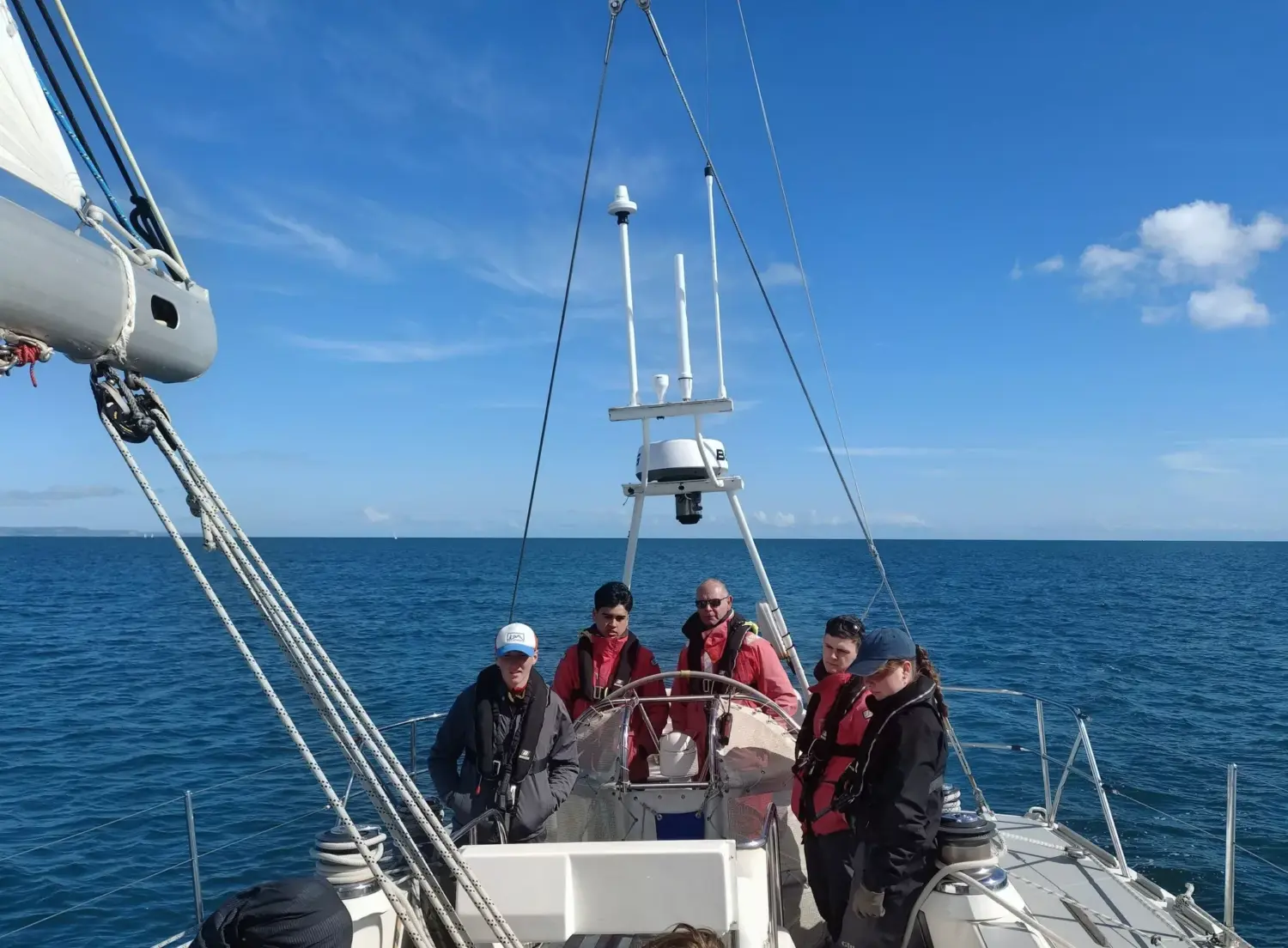
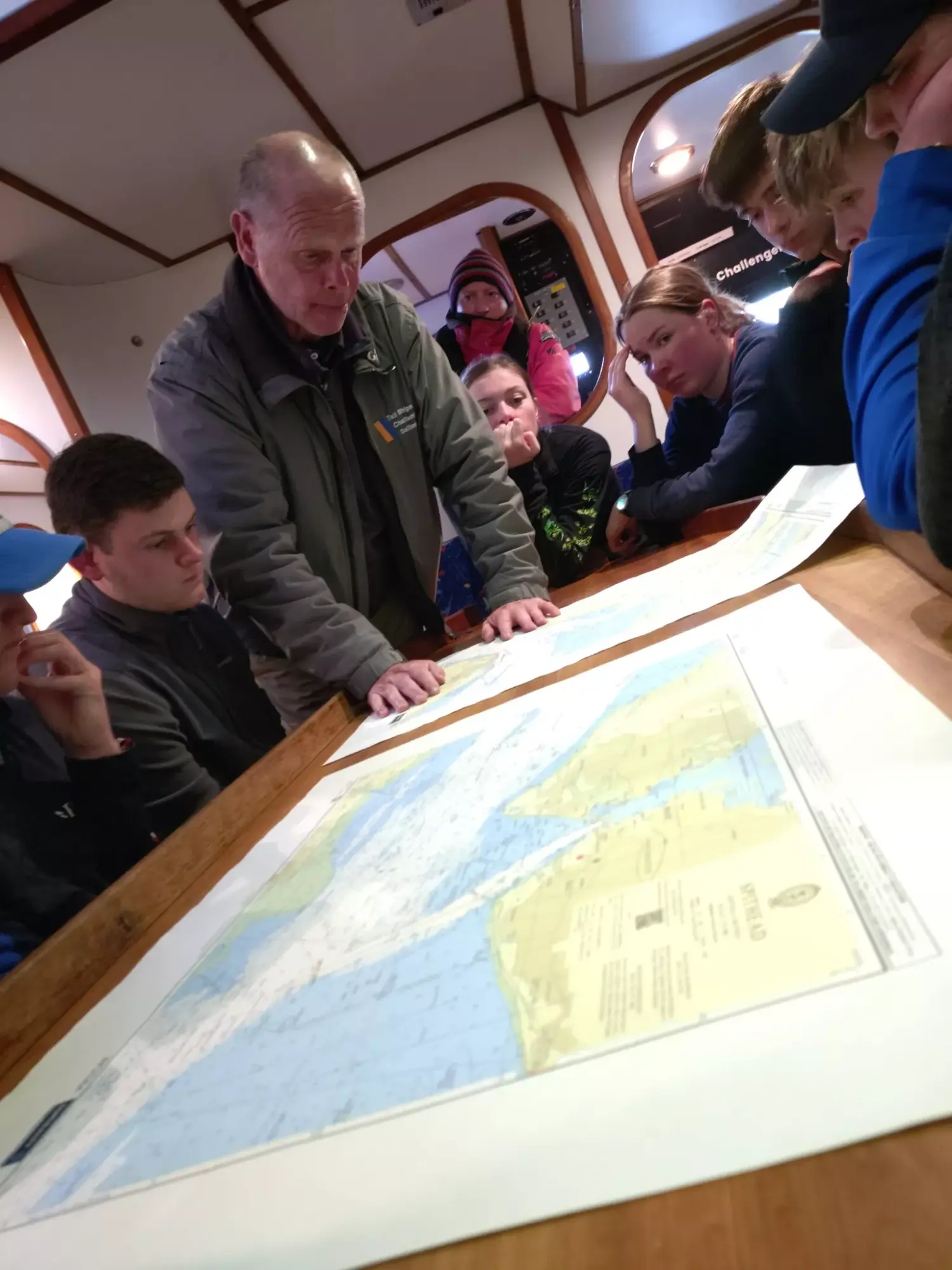
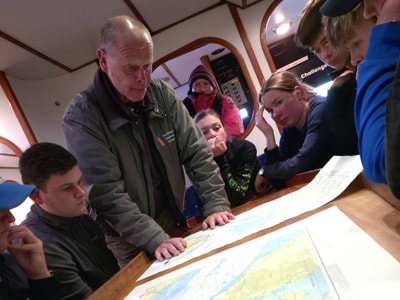
After all arriving at Gunwharf for 1300 hrs, crew intros followed around the table and a quick orientation of the yacht. The skipper, Paul, split the cadets into 2 groups. One group was given a tour outside while the other down stairs including an intro to the heads (toilets for landlubbers) which resulted in a few smirks from the lads.
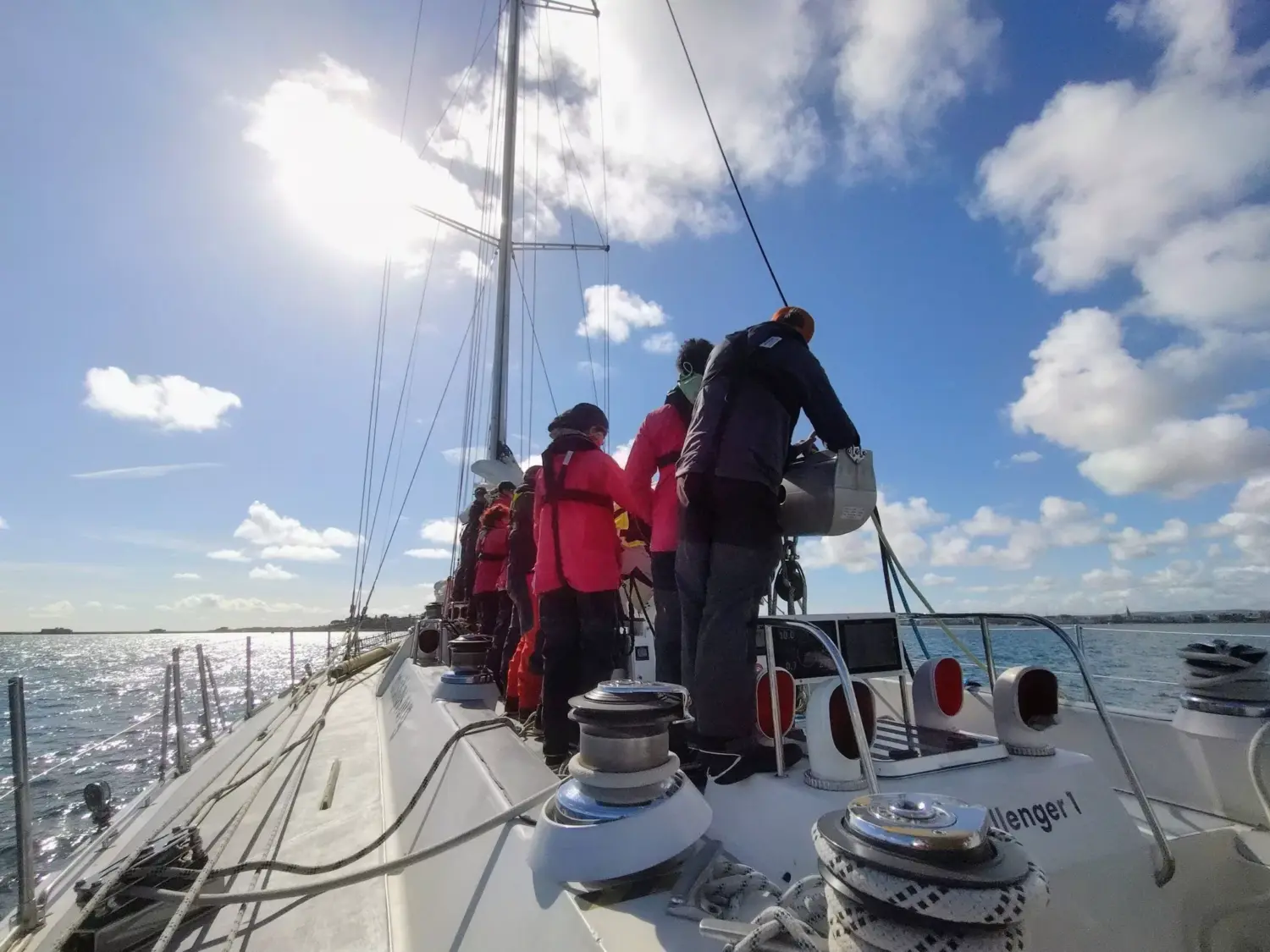
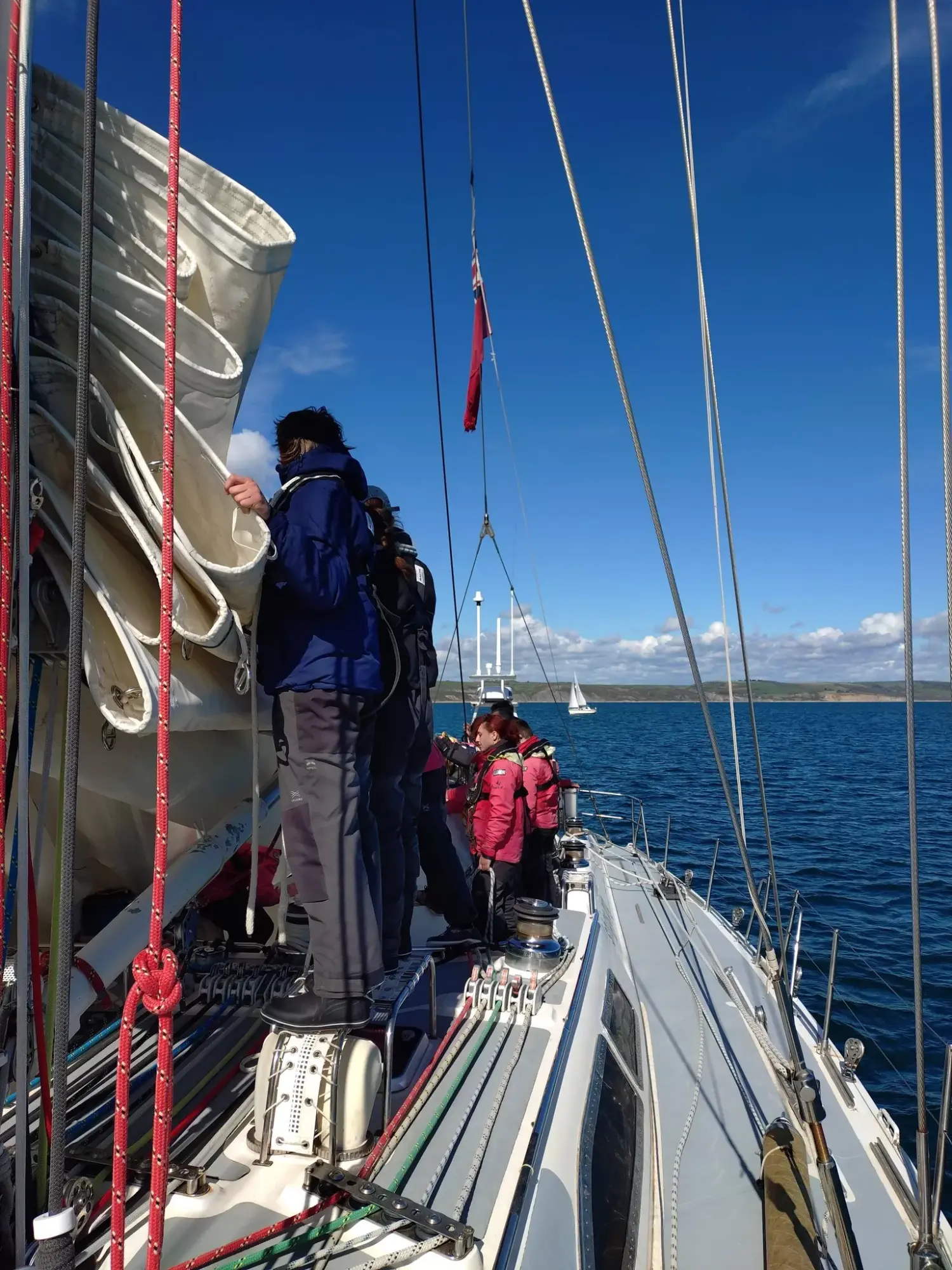
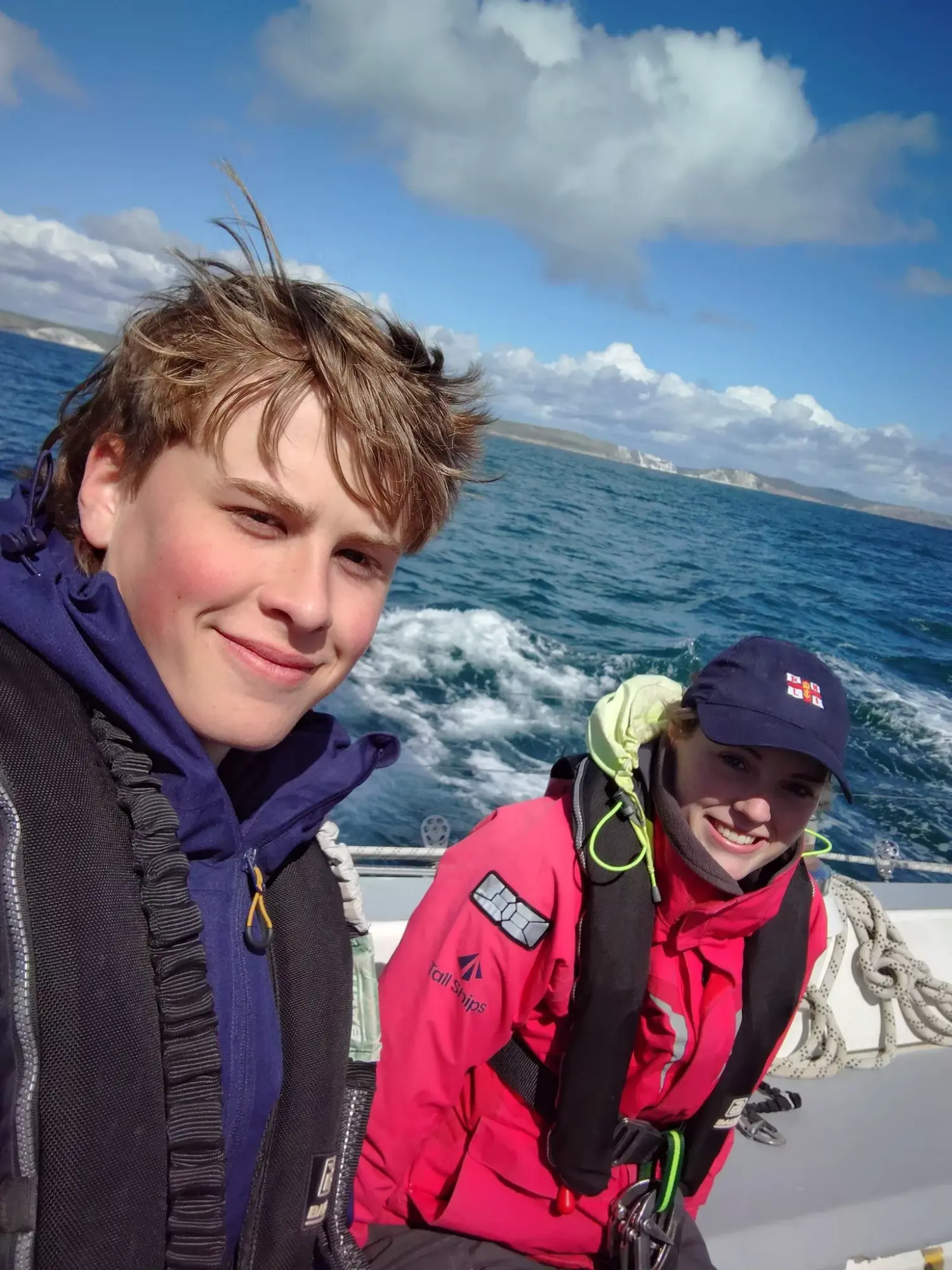
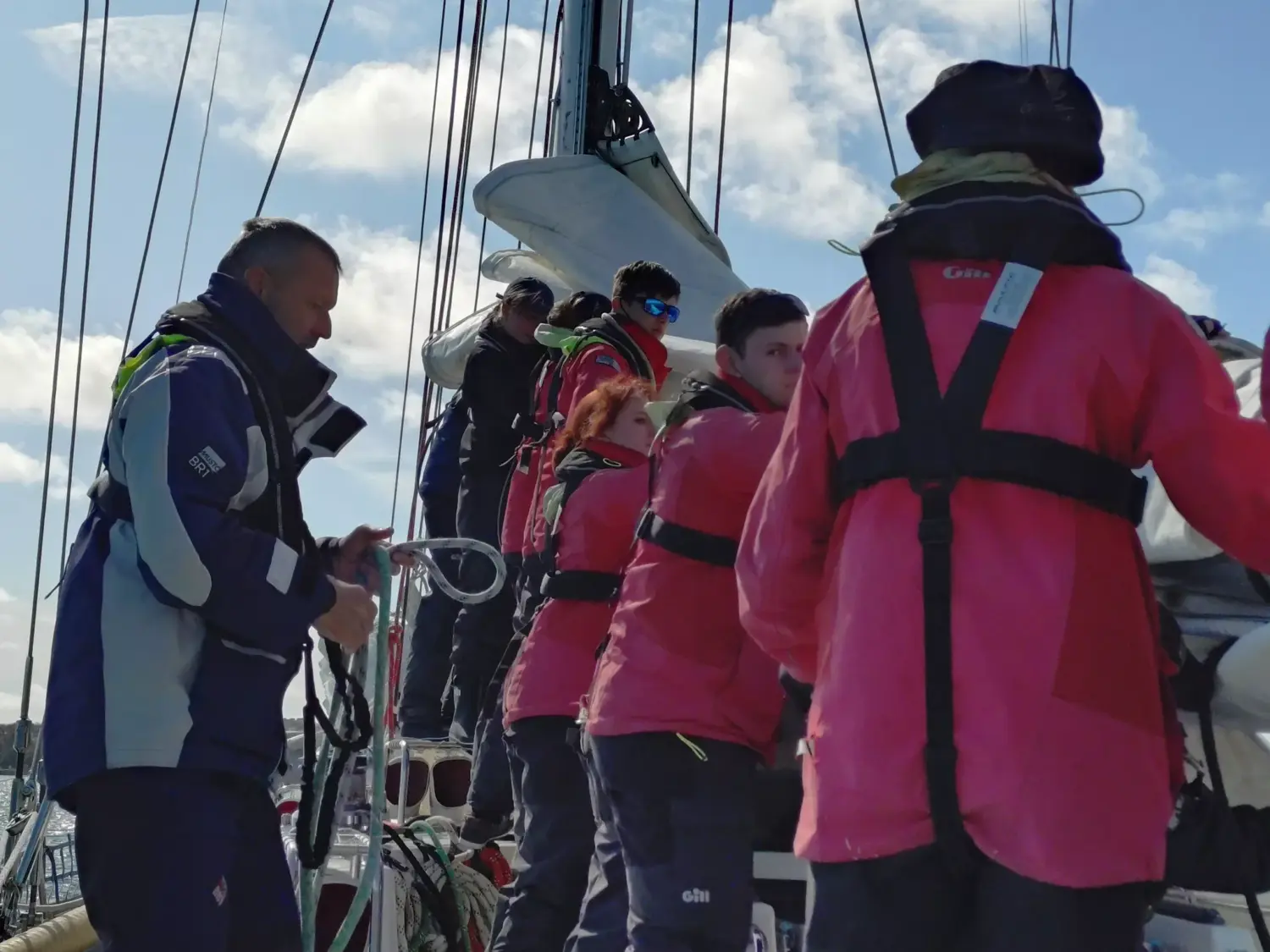
Next life jackets were fitted, foulies issued then the afterguard readied the Challenger 1 yacht to slip Gun Wharf Quay and enter in to the Solent for the short passage to Cowes for an overnight stay. With a brisk force 6 wind in the Solent the cadets where keen to get onto the foredeck and enjoy the rather large waves crashing over the bow. Luckily they had already been issued their foulies. After getting bored of getting wet and probably a bit chilly the watch leaders did some rope work and knots to occupy the cadets time.
દિવસ 2
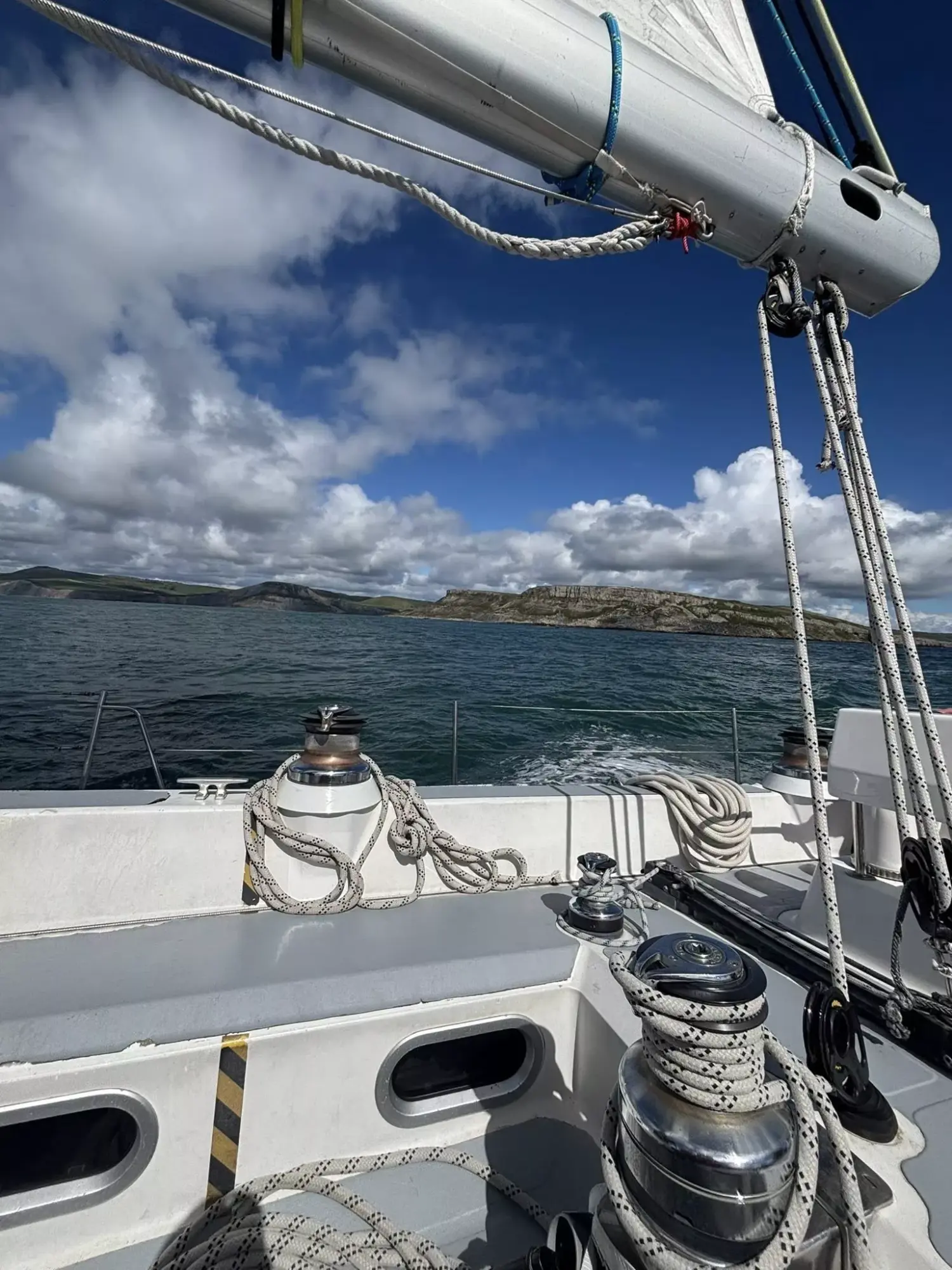
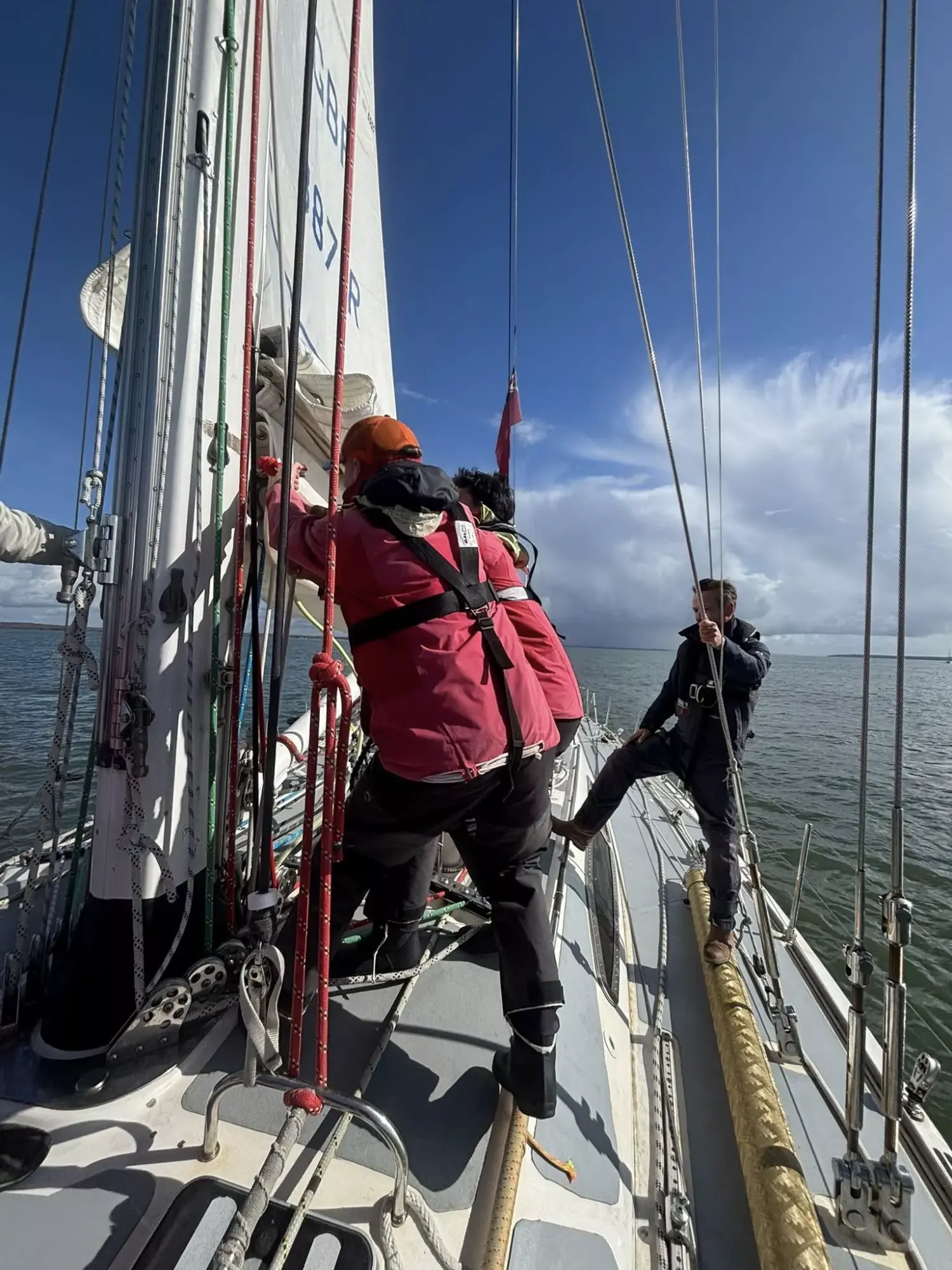
Now along side in Yarmouth for the night. Breakfast was followed by prepping the boat ready for sailing followed by some Comp Crew lessons on the weather, points of sail and col regs or rules of the road. Like the highway code but actual maritime law. This took us to around 1030. We then slipped Cowes Yacht Haven and motored into the Solent for some sailing. Up went the main sail with a couple if reefs in. This is to reduce the sail size as it was still pretty windy and having too much sail up is both bad for the yacht and uncomfortable for the crew.
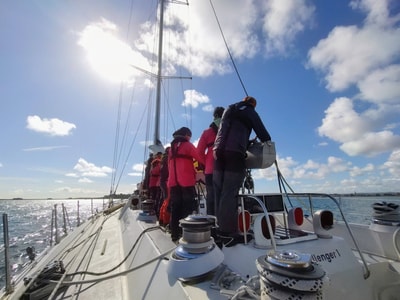
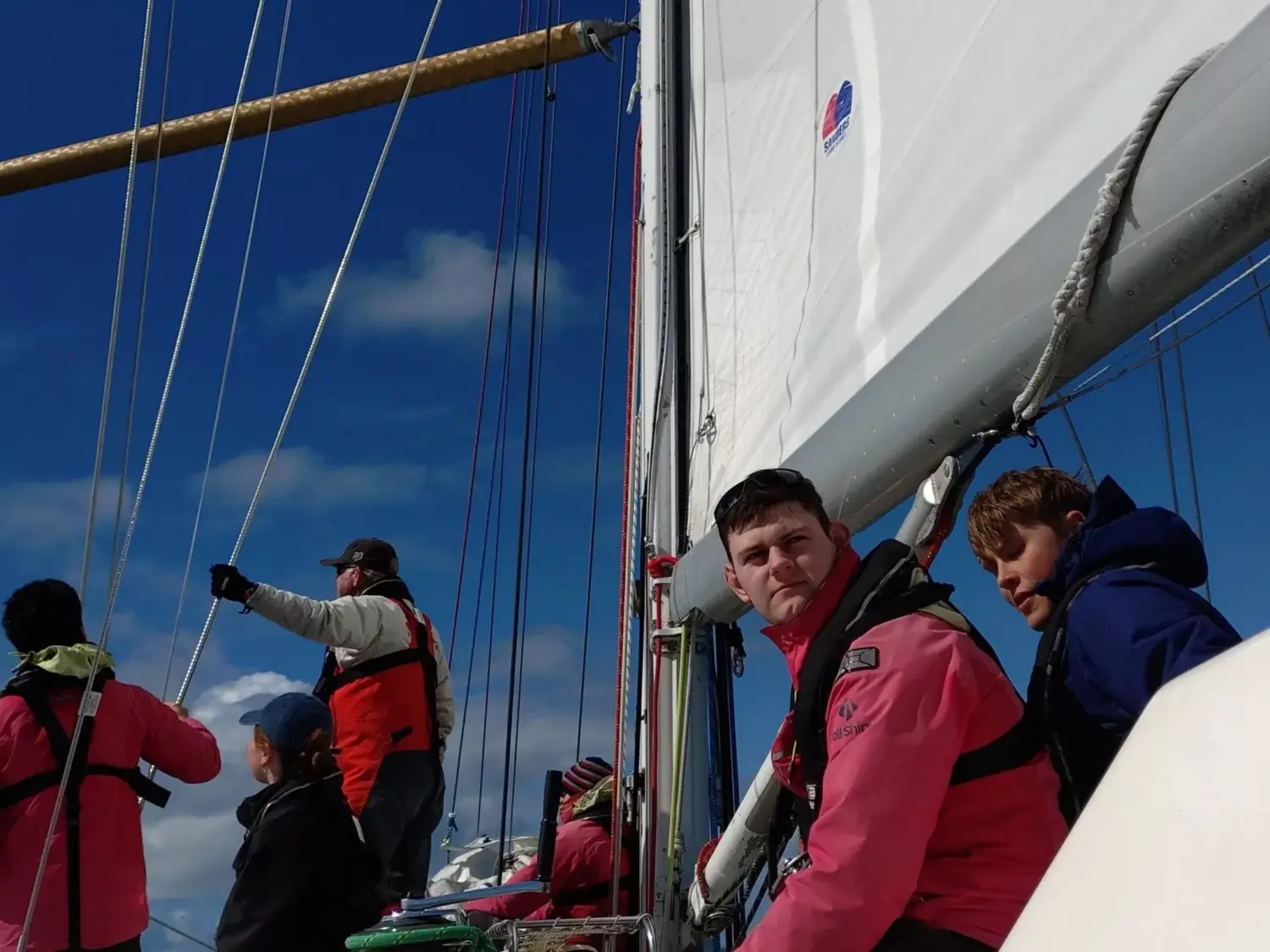
After lunch we got the 2 headsails up the Yankee 2 and the staysail. Then after a couple of tacks disaster struck and the main sheet traveller shackle snapped. As is good practice on big yachts there is a contingency to mitigate a equipment failure in the form of a dynema strap to keep it safe and prevent an more damage. So having just got the sails up we had to lower the head sails and then the main to assess the damage. After, the headsails went back up and we made way to Yarmouth using just the front sails arriving at around 1815. Tonight, green watch are cooking, that’s me but you know what they say about too many cooks, so I’m keeping out the way.
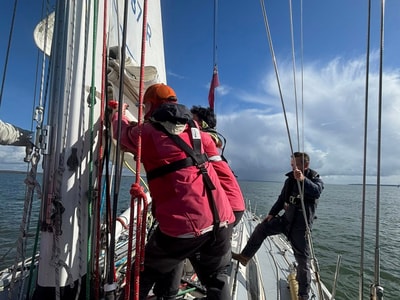
... we were lowering the big Yankee 2 on the foredeck when one if the cadets said 'this is insane' as the boat was bouncing up and down in the waves. Morale is all good, lots of smiles and laughs.
દિવસ 3
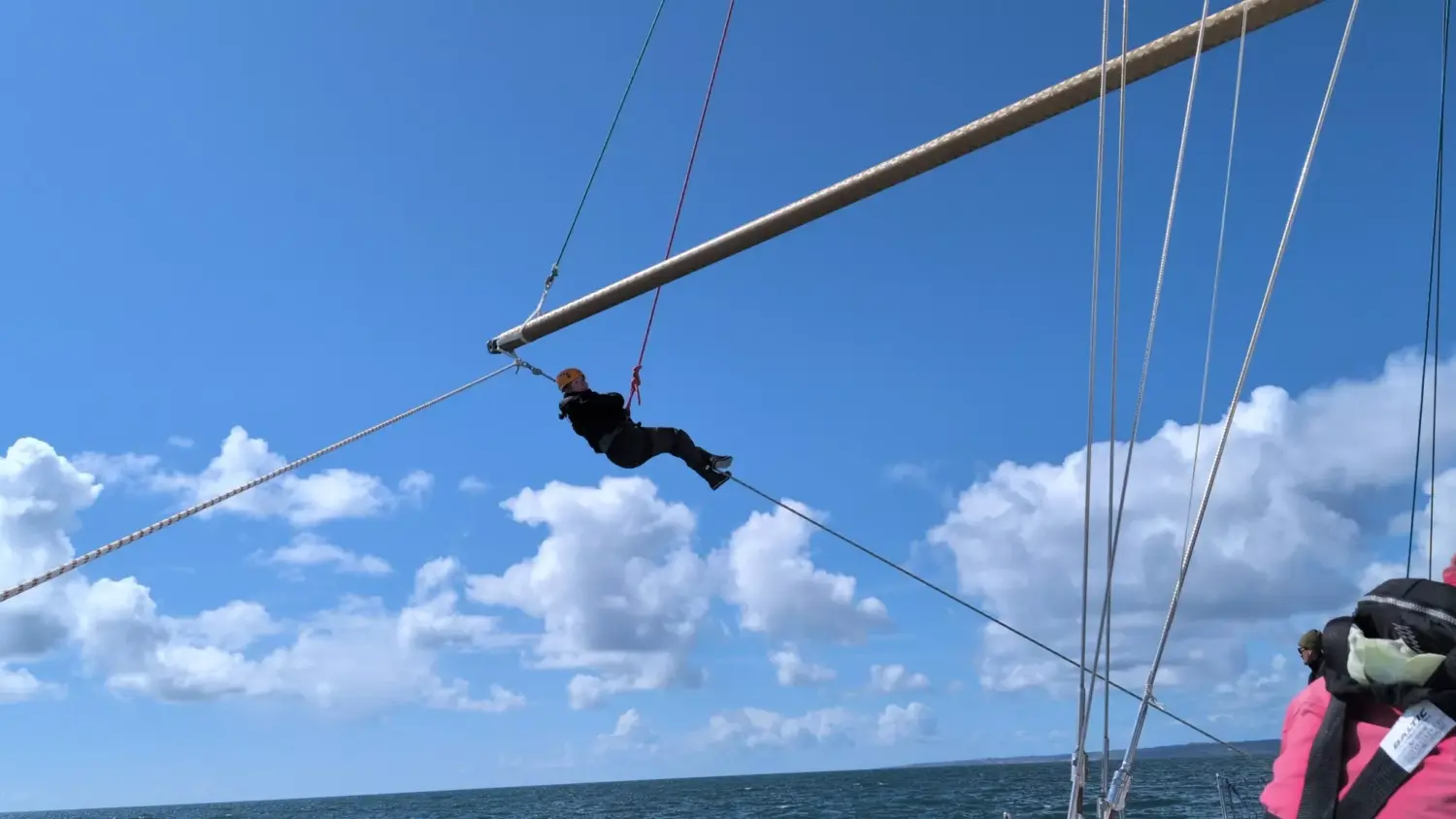
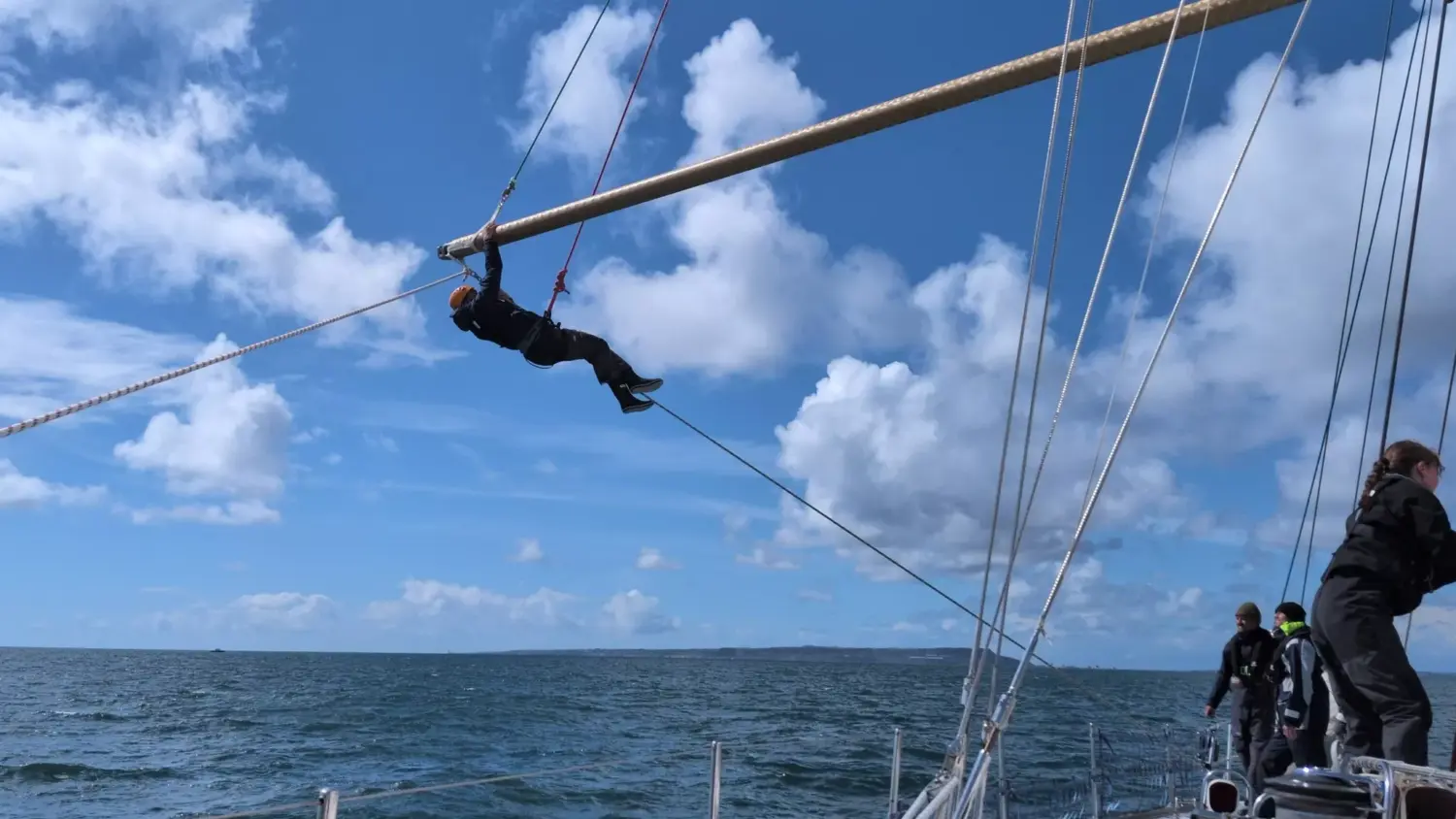
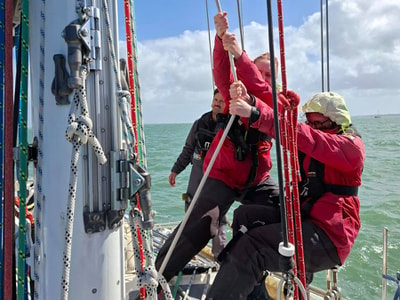
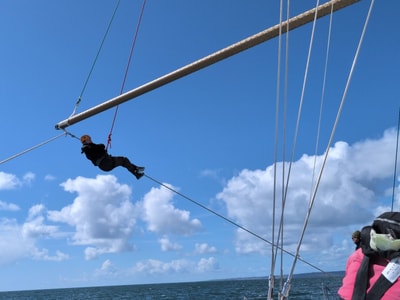
Another early start. The cadets were a bit slower getting out of their bunks this morning, all that fresh sea air. After breakfast the cadets got the yacht ready to slip Yarmouth, the process is getting slicker each morning with less input from the afterguard. We slipped just after 0900 to make the most of the favourable tide towards Weymouth. As there was no wind it was motor sailing to start, with the main sail raised. The cadets nearly managed to get the sail all the way to the top with only a little winching. As the seas were flat, and to give the cadets a challenge, the skipper and the crew set the spinnaker pole for those that wanted to could climb up to the end. This is required if a spinnaker is being flown and needs to be done to release the spinnaker. When everybody had done this, the wind had filled in so we were able to raise the headsails and sail in to Weymouth.
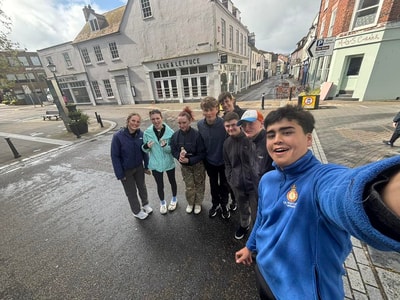
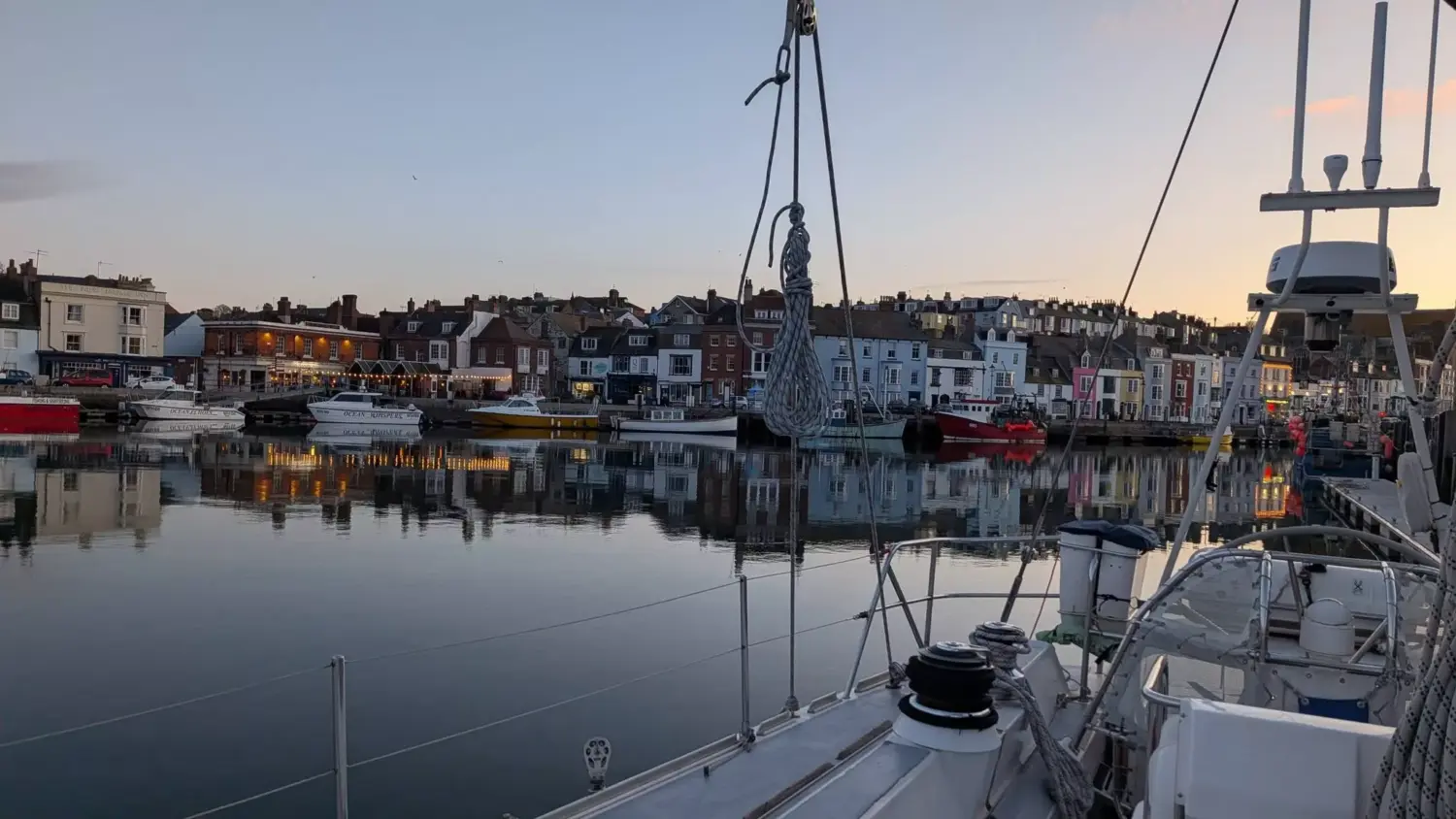
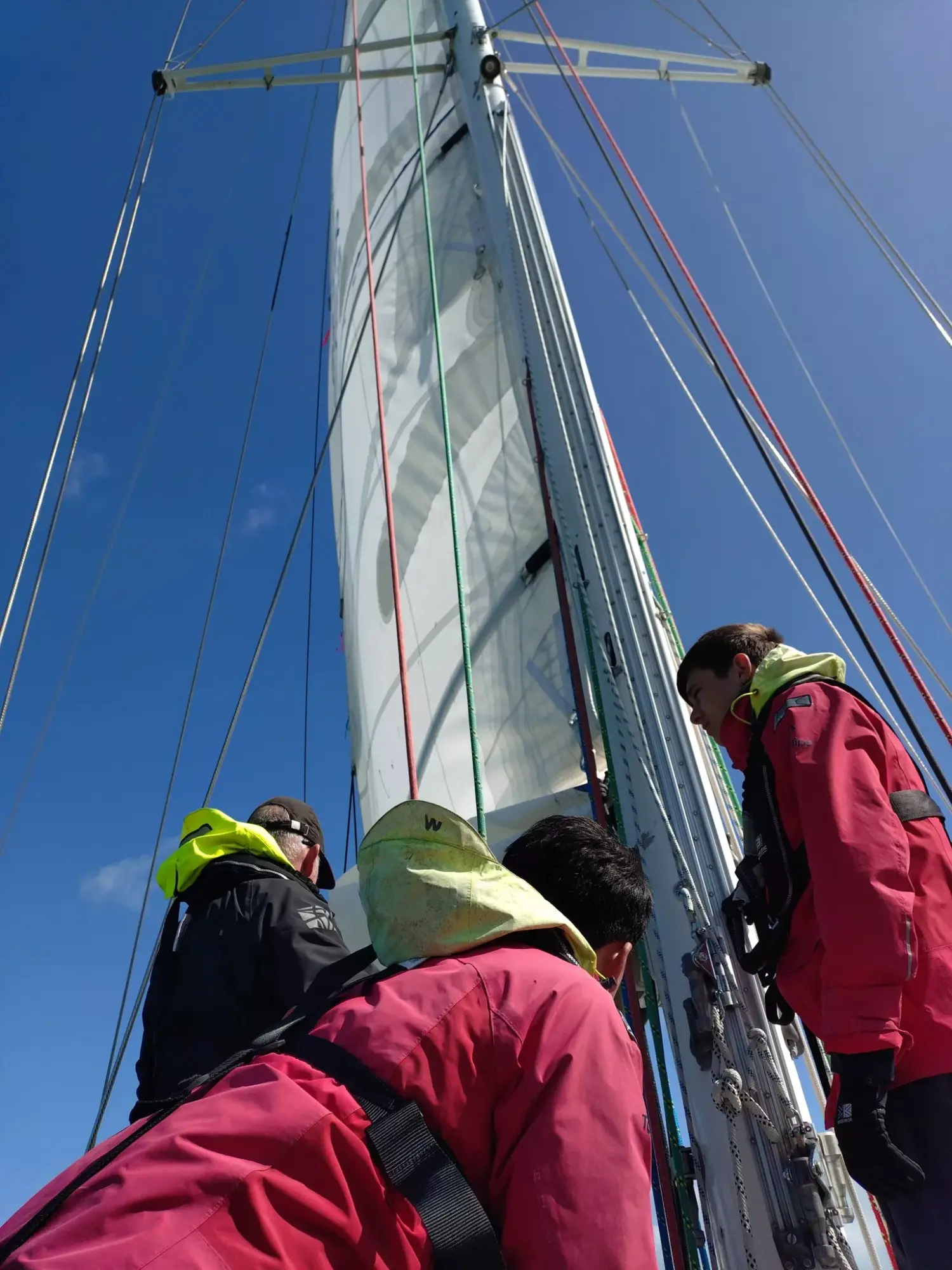
With the boat put to bed in good fashion the cadets were given an hour to experience what delights of Weymouth has to offer. They went to the beach but didn’t stay out long as it was really cold. Supper tonight was fish and chips, the fish cooked on board with chippy chips. Tomorrow the cadets are climbing the mast the top of which is 97 feet above the water line. Then we’ll be making the short passage to Poole with good winds forecast.
દિવસ 4
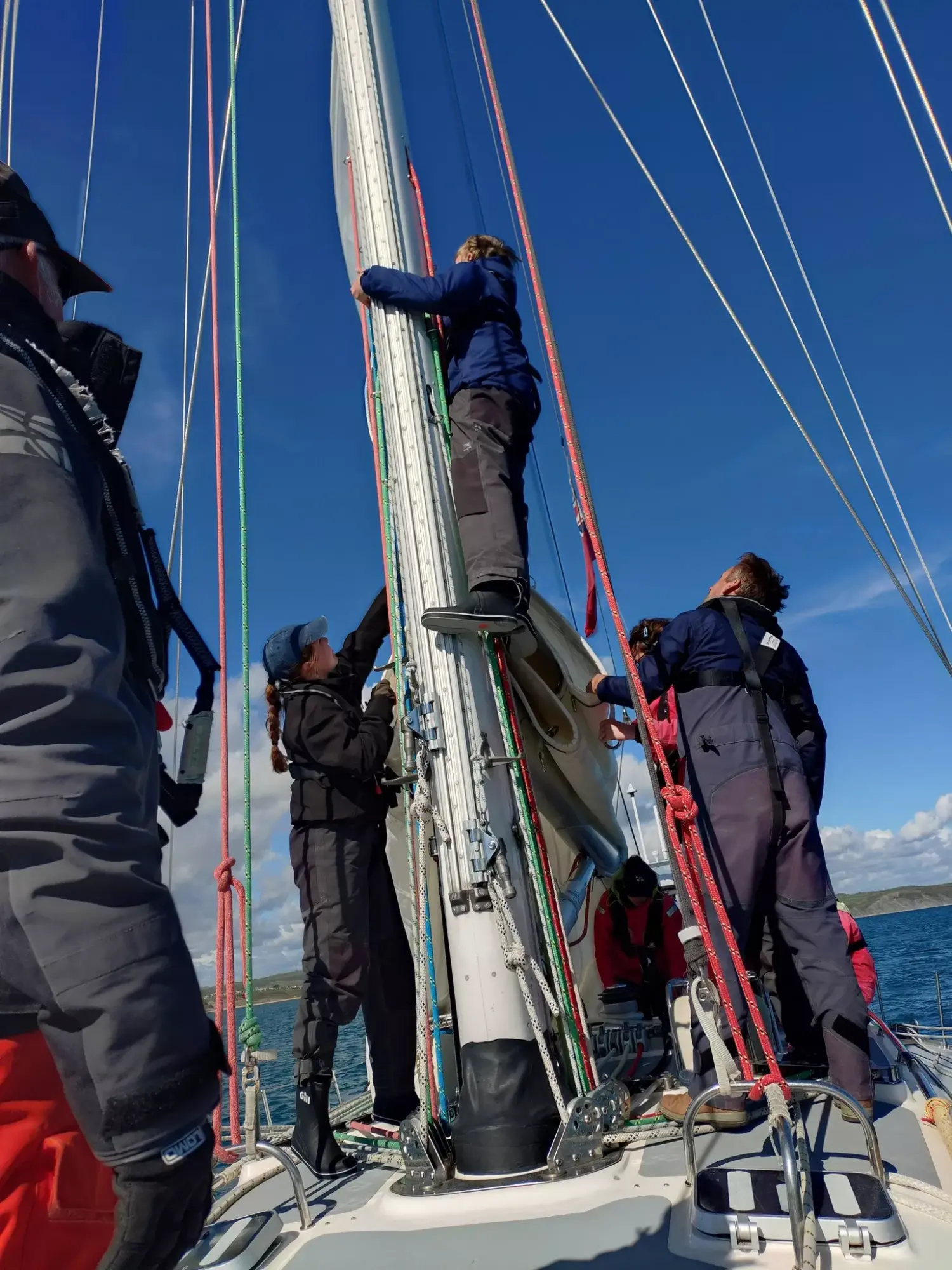
Scrambled eggs for breakfast cooked by Green Watch, followed by a leisurely morning getting the yacht ready for sea but before we set off the cadets were given the chance to climb the mast (or rather be hauled up the mast!) on the spinnaker halyards. I’m told the view was very good from the top. While the cadets were climbing, others went out on the tender. Rowing a tender is part of the comp crew syllabus. For lunch, most of us had the choice of filled pasta with tomatoes or pesto, but the growing lads had both.
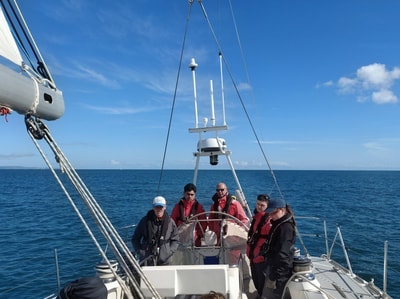
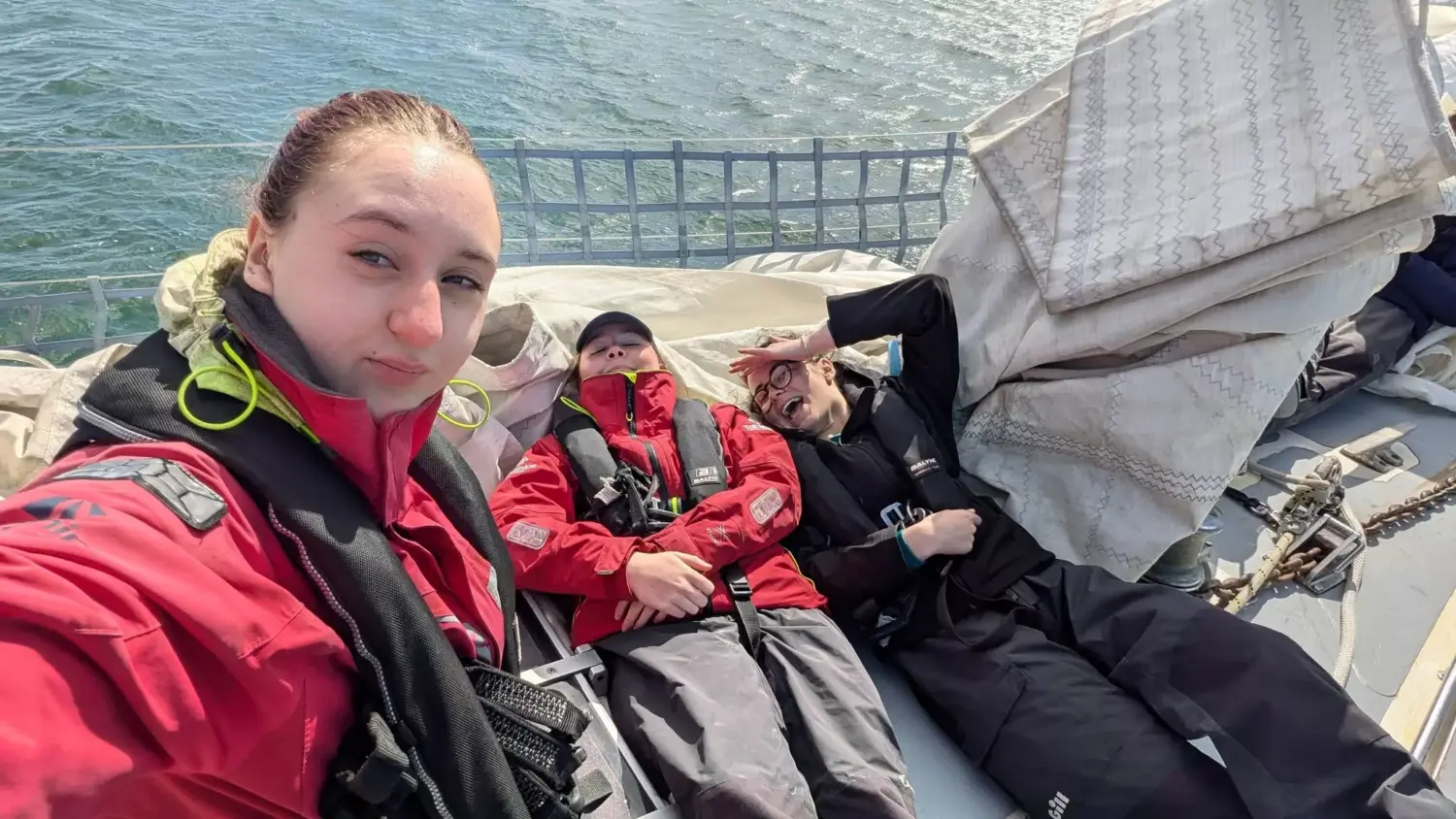
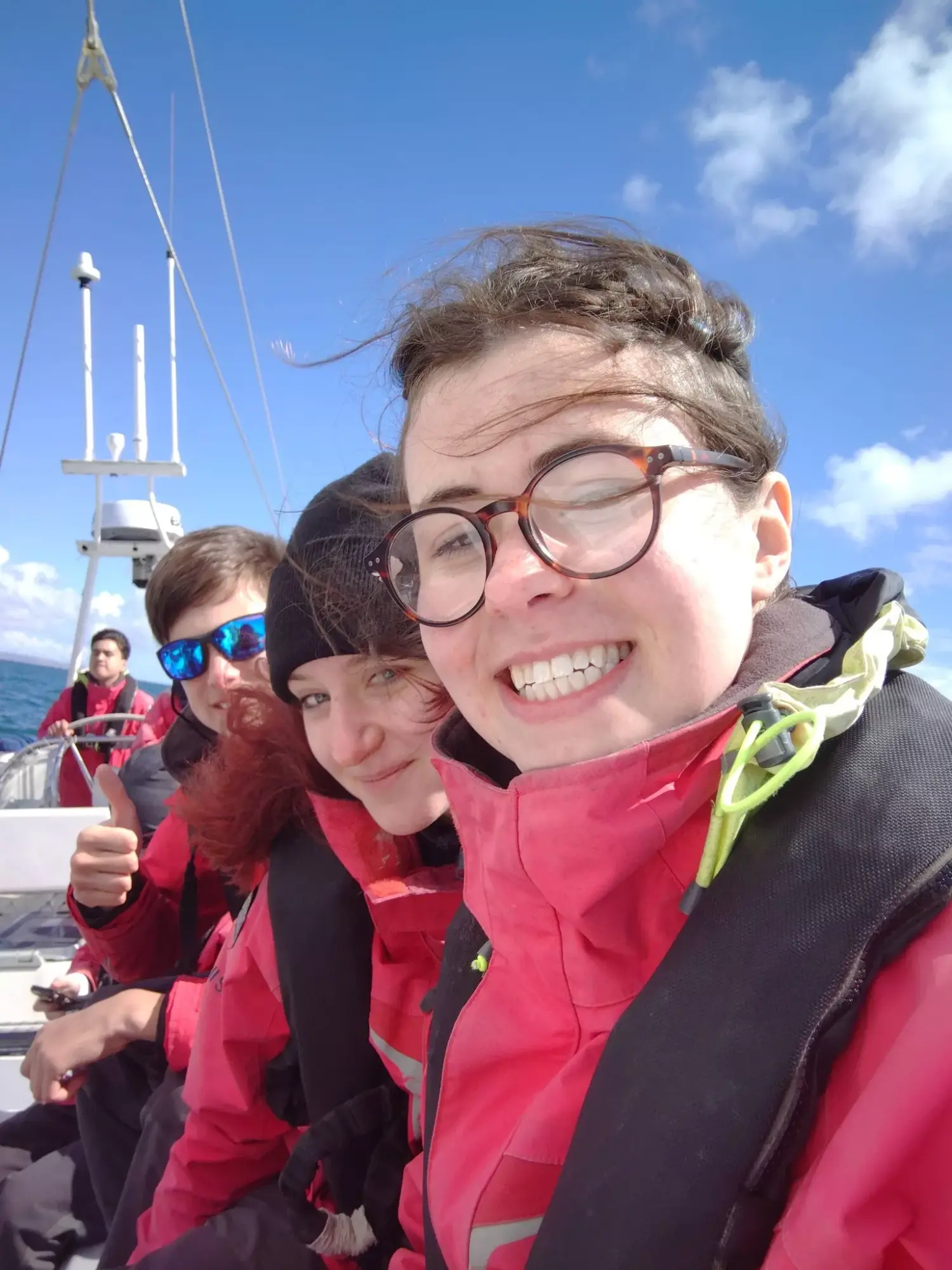
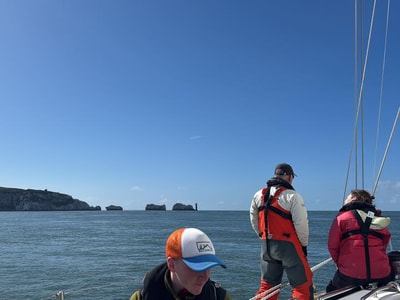
We slipped at around 1330 out of Weymouth Harbour into the maelstrom of Portland Harbour to put the main up with 2 reefs as the breeze had filled in and after a rest the yankee 2 was raised. It was perfect sailing, apart from the sea state and the cold, at a force 4/5 on a reach towards Poole. This had the cadets hankering down in the cockpit feeling sorry for themselves until we rounded St Albans Head and passed Old Harry at the entrance to the channel to Poole. Here we dropped the sails then Green Watch started cooking and had the opportunity to thaw out while the other watch put the sails to bed. Alongside in Poole, dinner was served and the debrief given. The take from today, mast climbing was awesome, the cold and feeling seasick not so.
દિવસ 5
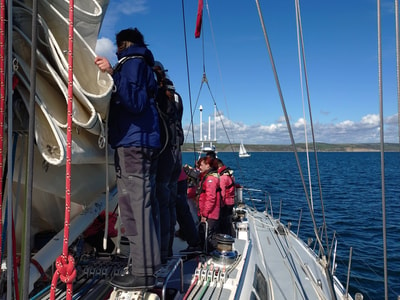
Poole to Cowes. Today we had a nice relaxed start as there was no point leaving early and fighting the tide through the Needles Channel back into the Solent. After breakfast and yacht prep there was a little more of the Comp Crew syllabus to cover after which the cadets were given an hour to explore what Poole had to offer. As it was one of the cadets hometown he acted as their local guide. Meanwhile the adults found a nice café for a well-earned coffee and cake. All back on the yacht, final preparations ready to slip mostly done by the cadets with little input from the crew. This shows how much they have developed as a team over the last few days and putting into practice what they have been taught.
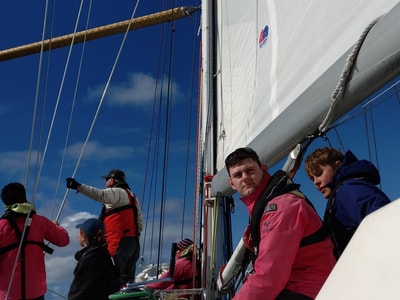
The sea was a lot calmer today but with still a good wind across the beam that allowed good fast sailing back towards the Solent, just in time for the tide to change in our favour as we entered the Needles Channel. Yarmouth and New Town Creek were soon passed and not before long the headsails were dropped for the last time and packed away properly ready for the next crew. As we neared Cowes the main sail was dropped and stored neatly under the sail cover. Meanwhile the other watched prepped the last meal of the trip, chicken curry, saving the best until last! With supper all squared away the cadets were introduced to a night sail where we slipped out into the Solent again for them to experience sailing at night.
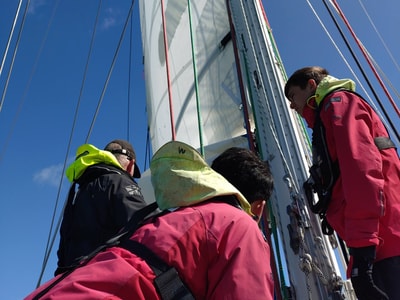
Now they were able to seek out and identify all the buoyage from different cardinals to port hand channel markers as well as identifying ships in the Solent and what aspect they were showing dependant on what lights were being displayed. A late finish back alongside in Cowes. All that was left for the final day was a motor sail back across the water to Portsmouth. Safely tied up on Gun Wharfs Quay where the adventure started 6 days ago. Now the dreaded yacht clean which can be as easy or hard as the team want. Fortunately, the cadets all mucked in and before long the yacht was all shipshape and signed off as clean by the skipper and mate. Maybe the offer of a Slim Chicken was their motivation.
So ends an awesome trip, 6 days sailing in some difficult testing conditions, 10 Competent Crew passes, the second tier of the Royal Yachting Association pathway to sailing that culminates in Ocean Yachtmaster Offshore & 7 DofE Gold award residentials complete. Oh, and the TSYT have potentially another volunteer watch leader on their books!
The cadets have been a credit to themselves, their Detachments, Companies and Counties. Being fully engaged and wanting to learn, showing great levels of resilience when the going got tough and never shy of trying a new challenge and overcoming their fears, be it climbing to the end of the spinnaker pole or to the top of the mast or helming the yacht in testing sea conditions. This is why adventurous training is important as it takes individuals out of their comfort zone in testing conditions in a safe, controlled environment. Also, it gets the cadets to work as a team and teaches them how to get on with each other and gives them a whole host of other life skills that cannot be taught in the classroom.
Many thanks to the Bde AT team for organising the Exped, Wessex RFCA, the એસીસીટી યુકે અને The Ulysses Trust for funding the Expedition. Also, thanks to the TSYT and their skipper, mate and volunteer watchleaders for giving up their time to enable the cadets to have such a wonderful experience.
Thank you to WO2 Pritchard from Devon ACF for the daily log above.
મોટી છબી જોવા માટે નીચેની કોઈપણ છબી પર ક્લિક કરો