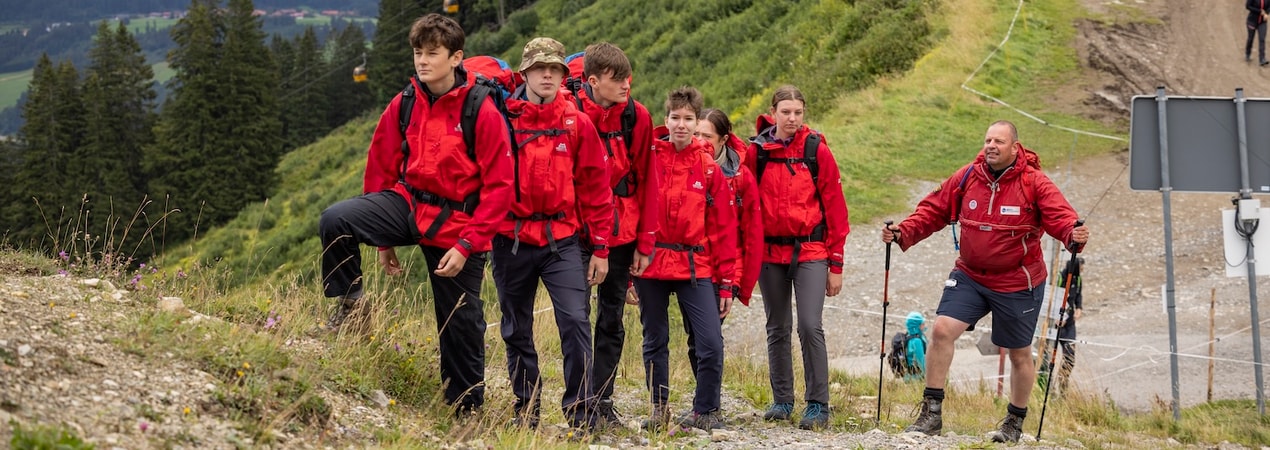
দ্য পাহাড় ও মুরল্যান্ডের নেতা Award is a nationally recognised qualification designed for those who wish to lead groups on day walks in the hills and moorland areas of the UK and Ireland. It is ideal for individuals who want to share their passion for the outdoors by safely guiding others through upland terrain that is generally away from steep or rocky ground. The award focuses on developing navigation skills, group management, route planning, and understanding of the natural environment. It is administered by পর্বত প্রশিক্ষণ, the official body responsible for overseeing walking, climbing, and mountaineering qualifications across the UK and Ireland. The Hill and Moorland Leader Award provides candidates with the skills and confidence to deliver enjoyable and safe hillwalking experiences in non-mountainous upland areas.
দ্য পাহাড় ও মুরল্যান্ডের নেতা Award course content is designed to prepare candidates to safely and effectively lead groups on walks in upland, moorland, and hill terrain. The course covers a wide range of key skills, including advanced navigation techniques using a map, compass, and other tools in poor visibility or difficult conditions. It also focuses on group management, leadership styles, route planning, and understanding weather and its impact on hillwalking. Additional topics include emergency procedures, incident management, risk assessment, and knowledge of local flora, fauna, and the environment to enhance the group’s experience. The course encourages candidates to develop sound judgement and decision-making skills to ensure safe, enjoyable, and educational outings in the hills and moorlands.
সময়কাল: 3-day training course, 3-day assessment course
অবস্থান: CCAT ক্যাপেল কুরিগ, স্নোডোনিয়া জাতীয় উদ্যান
ল্যাঙ্কাস্টার, লেক ডিস্ট্রিক্ট এবং ইয়র্কশায়ার ডেলস জাতীয় উদ্যানের কাছে সিসিএটি হ্যাল্টন
কোর্স ফি: £40
যোগ্যতা: সিএফএভি
পূর্বশর্ত: Prior to attend the MT Hill and Moorland Leader (HML) training course, candidates must meet the following prerequisites:
- আপনার বয়স কমপক্ষে ১৮ বছর হতে হবে।
- You should have at least a year’s worth of hill walking experience
- You should have an interest in leading groups in the hills
- আপনাকে অবশ্যই কোনো পর্বতারোহণ কাউন্সিলের (BMC, মাউন্টেইনিয়ারিং আয়ারল্যান্ড, মাউন্টেইনিয়ারিং স্কটল্যান্ড) ক্লাব বা ব্যক্তিগত সদস্য হতে হবে।
- You must be registered on the Hill and Moorland Leader scheme
- You must have recorded a minimum of 20 quality hill days (ideally these will be recorded on DLOG) which can have taken place at any point pre- or post-registration
এই প্রয়োজনীয়তাগুলি পূরণ করলে প্রার্থীদের অভিজ্ঞতার মৌলিক স্তর নিশ্চিত হয় এবং তারা একটি কাঠামোগত প্রশিক্ষণ পরিবেশে তাদের দক্ষতা বৃদ্ধির জন্য প্রস্তুত থাকে।
Prior to attend the MT Hill and Moorland Leader (HML) assessment, candidates must meet the following prerequisites:
- আপনার বয়স কমপক্ষে ১৮ বছর হতে হবে।
- You must have completed a Hill and Moorland Leader training course (or a Mountain Leader training course)
- তোমাকে অবশ্যই সিলেবাসের সাথে পরিচিত হতে হবে।
- You must have recorded a minimum of 40 quality hill days in at least three upland areas of the UK or Ireland
- আপনাকে অবশ্যই সশরীরে একটি প্রাথমিক চিকিৎসা কোর্সে অংশগ্রহণ করতে হবে এবং সম্পন্ন করতে হবে (অর্থাৎ অনলাইনে নয়) যাতে কমপক্ষে দুই পূর্ণ দিন বা ষোল ঘন্টা নির্দেশনা অন্তর্ভুক্ত থাকে এবং মূল্যায়নের একটি উপাদান অন্তর্ভুক্ত থাকে।
কোর্স সার্টিফিকেশন: মাউন্টেন ট্রেনিং যোগ্যতা সমগ্র যুক্তরাজ্য জুড়ে ব্যাপকভাবে স্বীকৃত এবং অন্যদের দেখায় যে আপনি জাতীয়ভাবে স্বীকৃত মান অর্জন করেছেন যা নিম্নলিখিত দ্বারা স্বীকৃত:
- স্বাস্থ্য ও নিরাপত্তা নির্বাহী (যুক্তরাজ্য)
- স্বাস্থ্য ও নিরাপত্তা কর্তৃপক্ষ (আয়ারল্যান্ড প্রজাতন্ত্র)
- অ্যাডভেঞ্চারাস অ্যাক্টিভিটিজ লাইসেন্সিং অথরিটি (ইউকে)
- আয়ারল্যান্ডের কোচিং
- অফকুয়াল (ইংল্যান্ড)
- এসকিউএ (স্কটল্যান্ড)
আপনি যদি এই কোর্সে অংশগ্রহণ করতে আগ্রহী হন, তাহলে অনুগ্রহ করে আপনার ডিটাচমেন্ট বা কন্টিনজেন্ট কমান্ডারের সাথে কথা বলুন।.
-
CFAV Testimonial
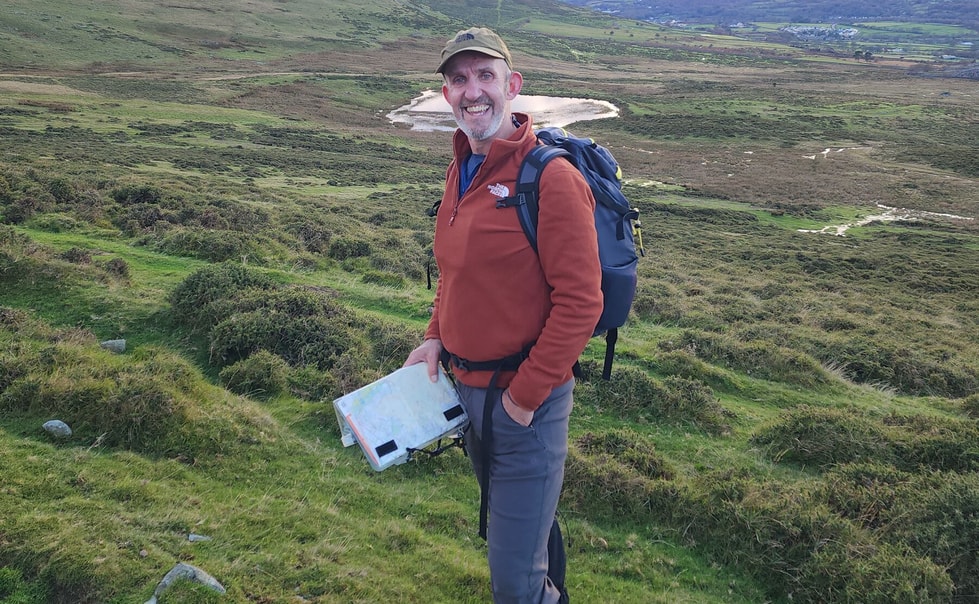
SI Mark Pincock Still buzzing after three challenging, fantastic days in beautiful North Wales. The course mixed short classroom sessions with lots of outdoor learning, covering micro and macro navigation, leadership, group management, weather and key skills.