Surrey ACF Remembers Minden Day
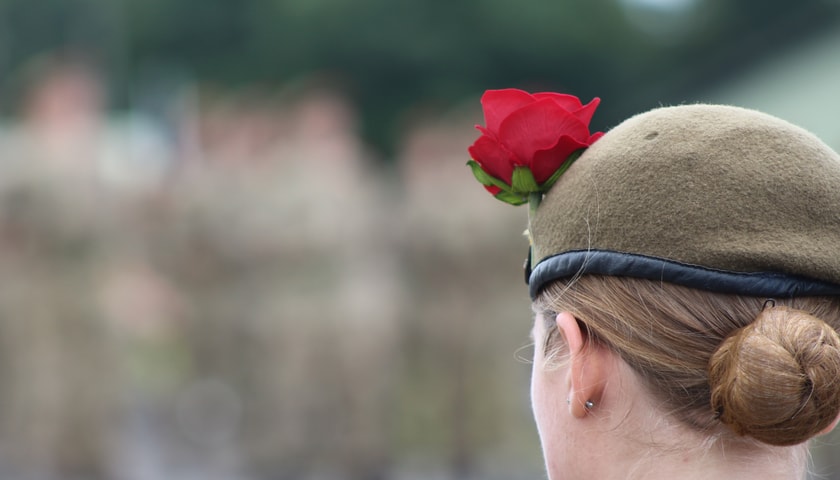
On 1st August 25, Surrey ACF proudly honours Minden Day – commemorating the bravery and sacrifice of soldiers at the Battle of Minden in 1759.
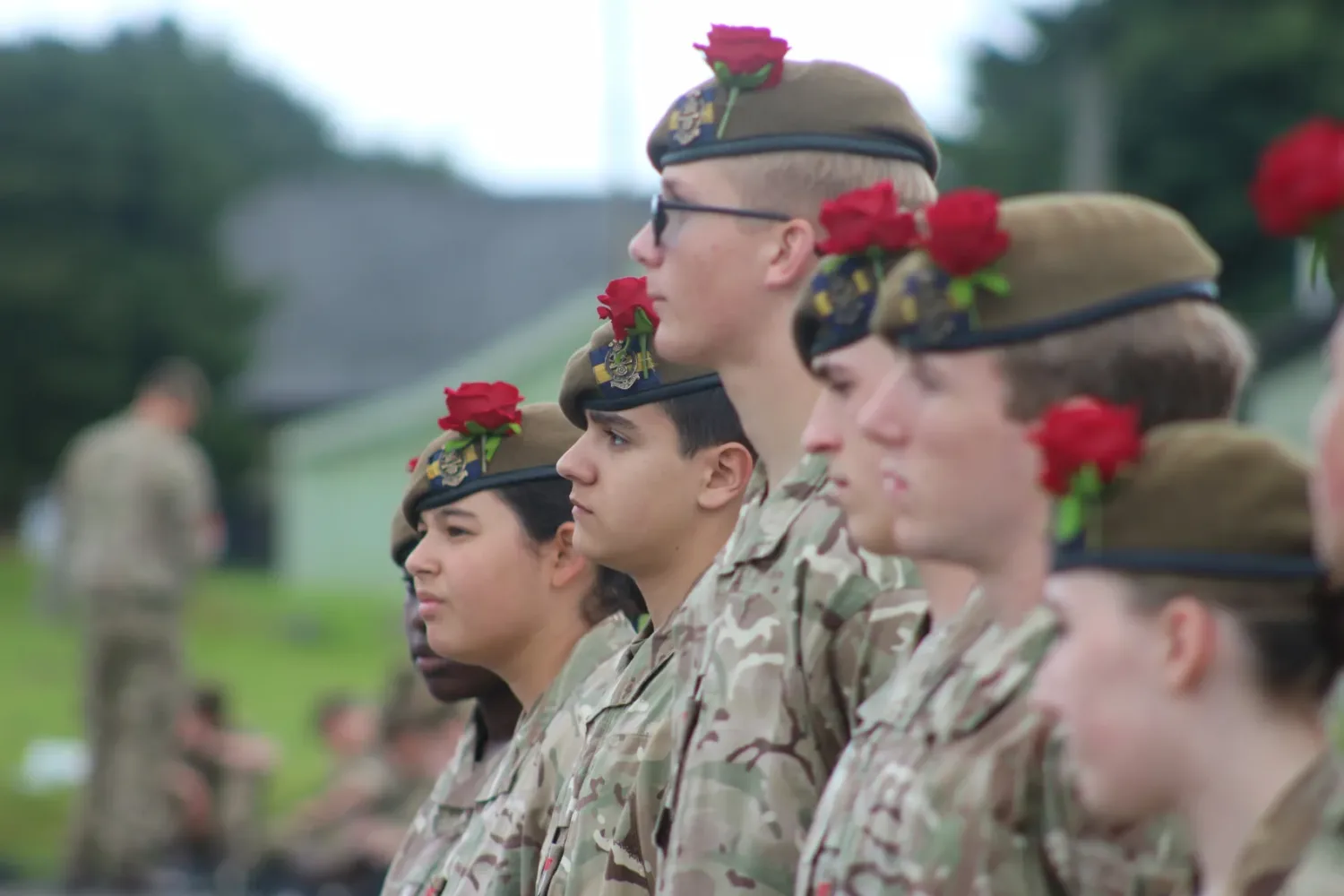
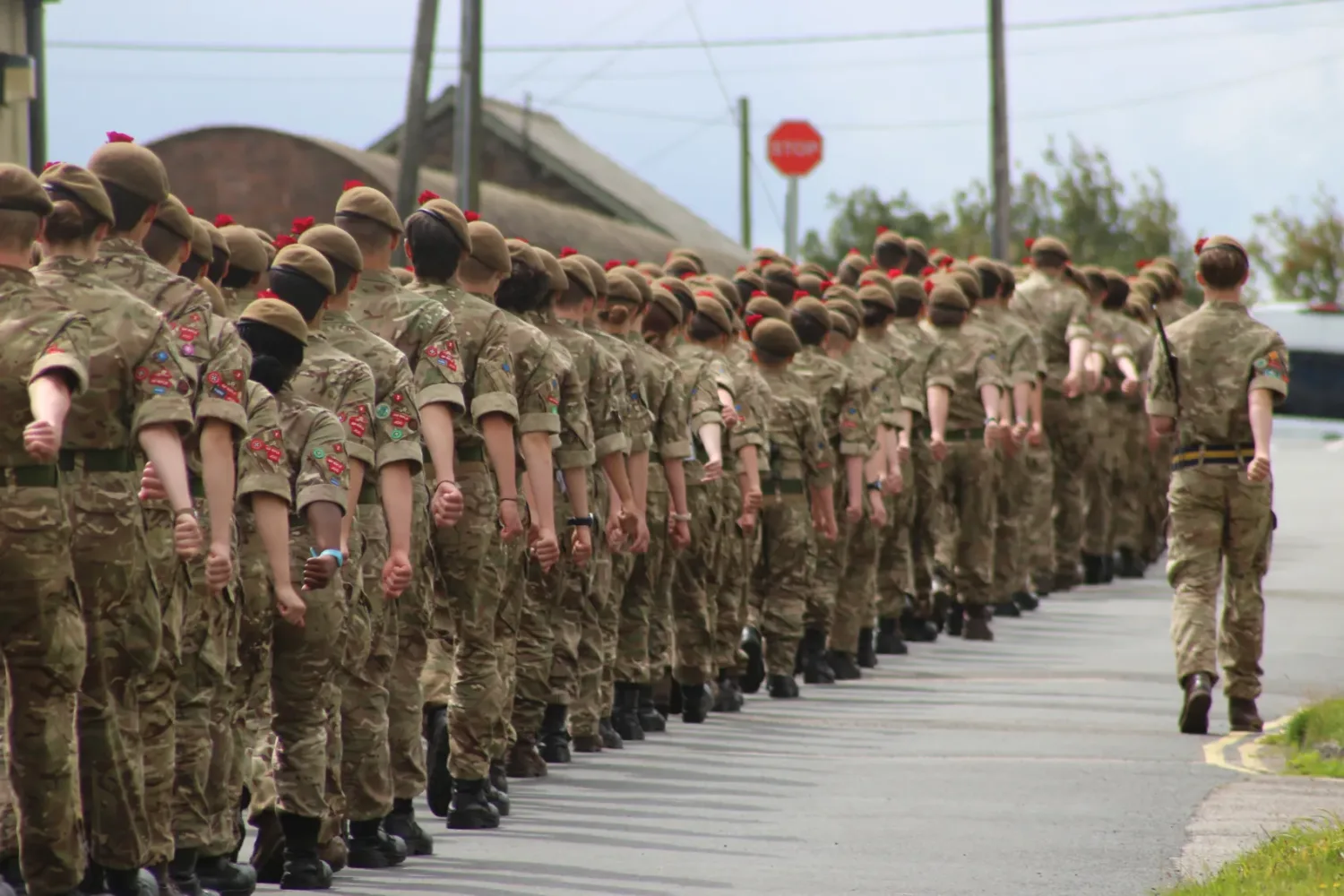
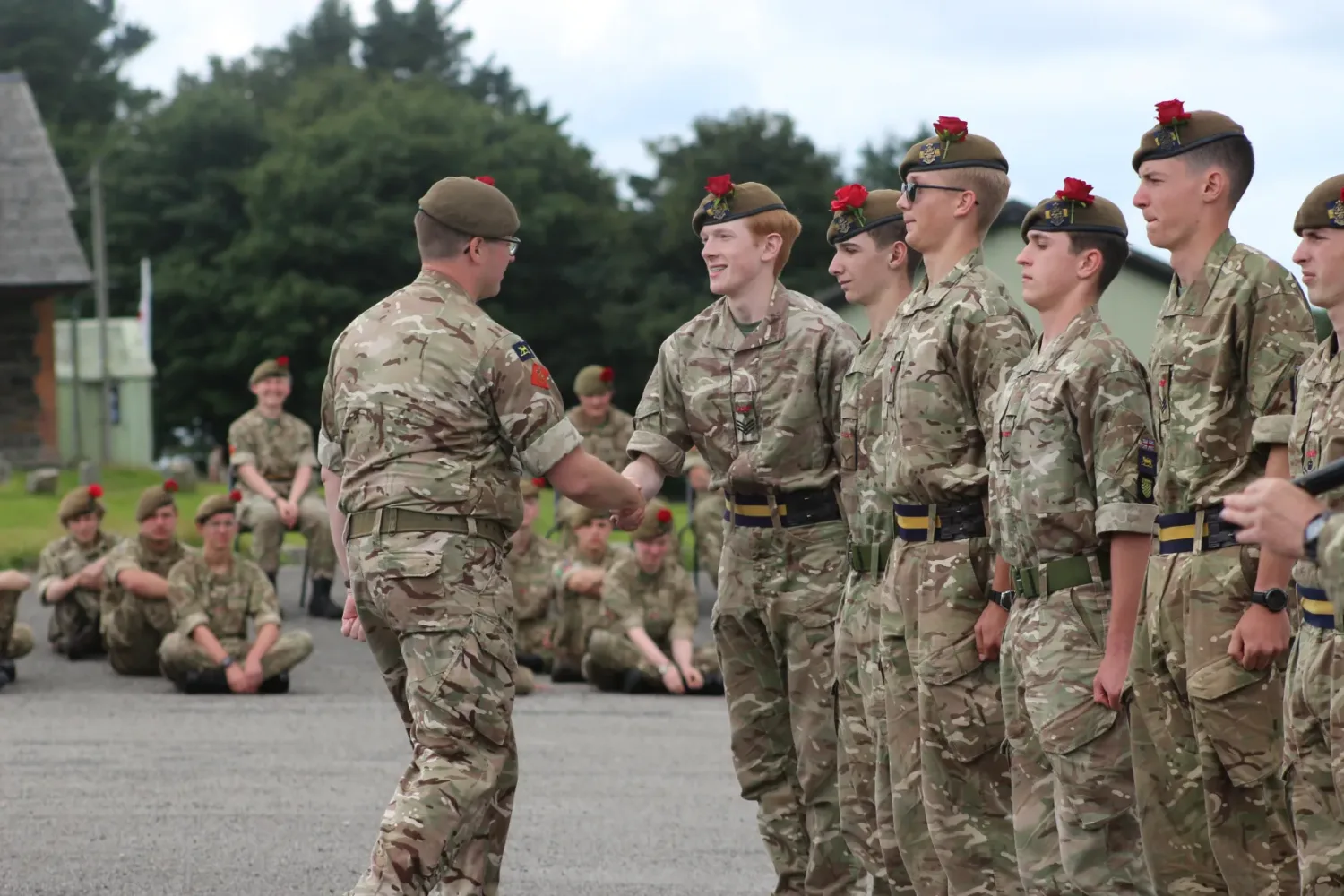
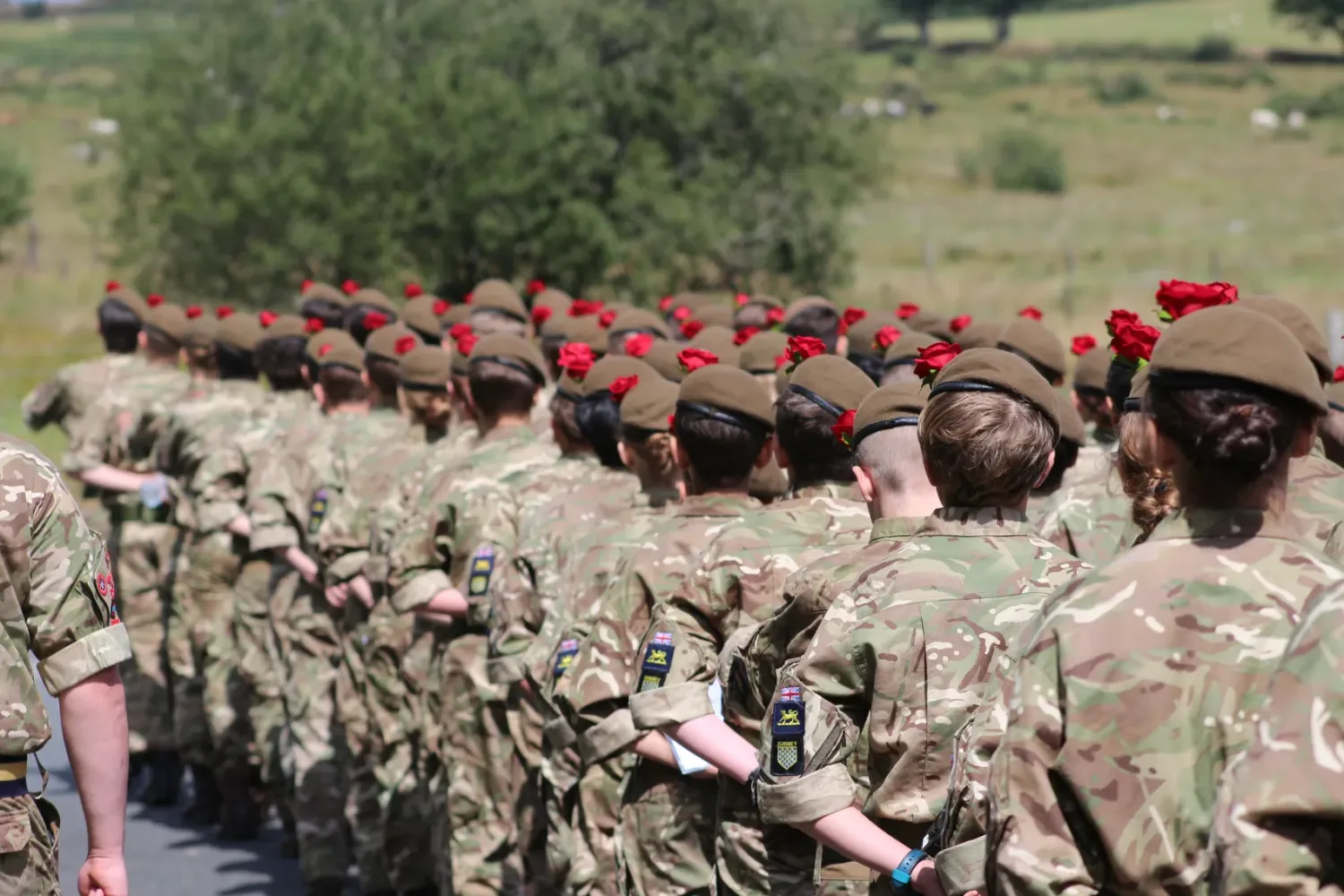
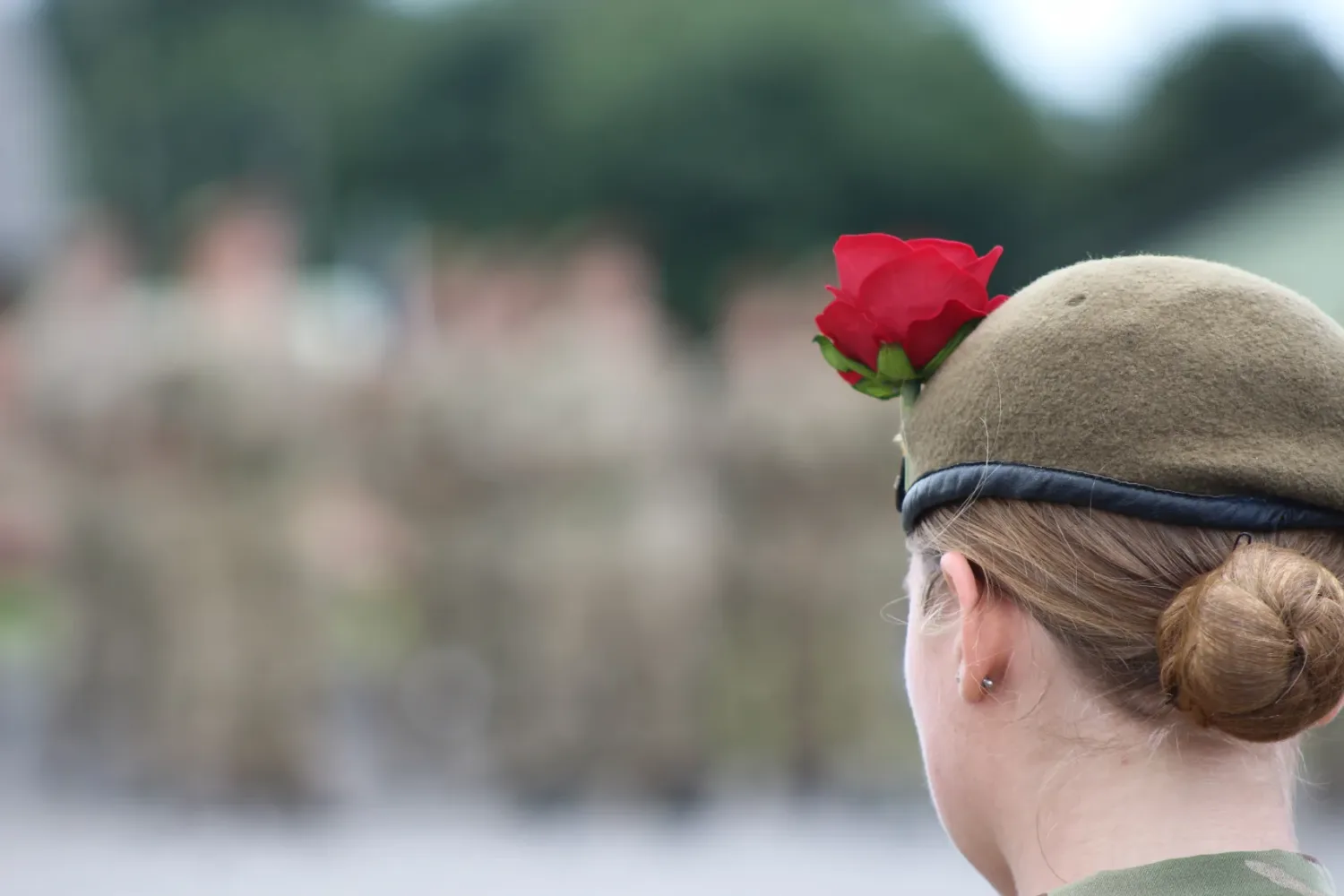
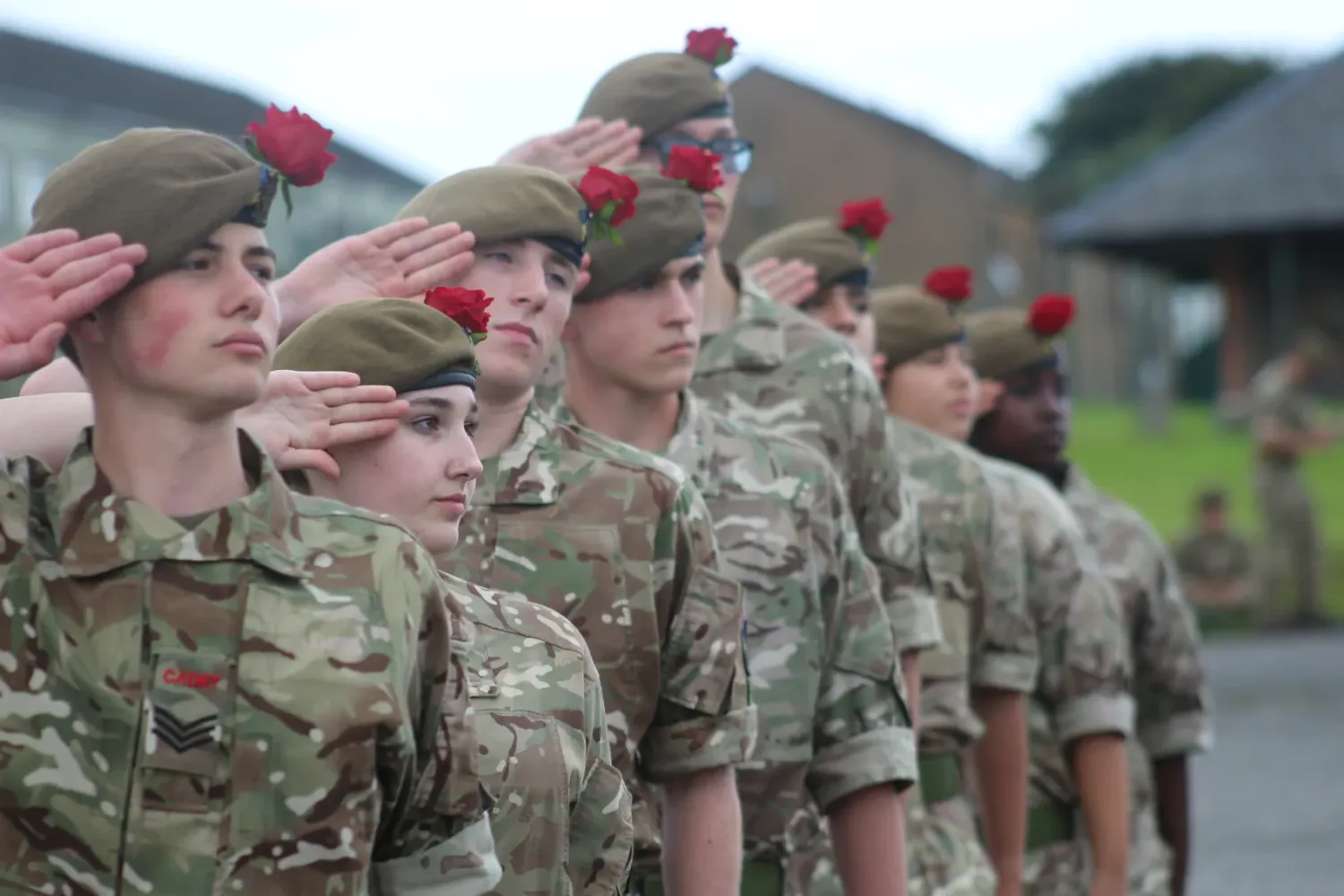
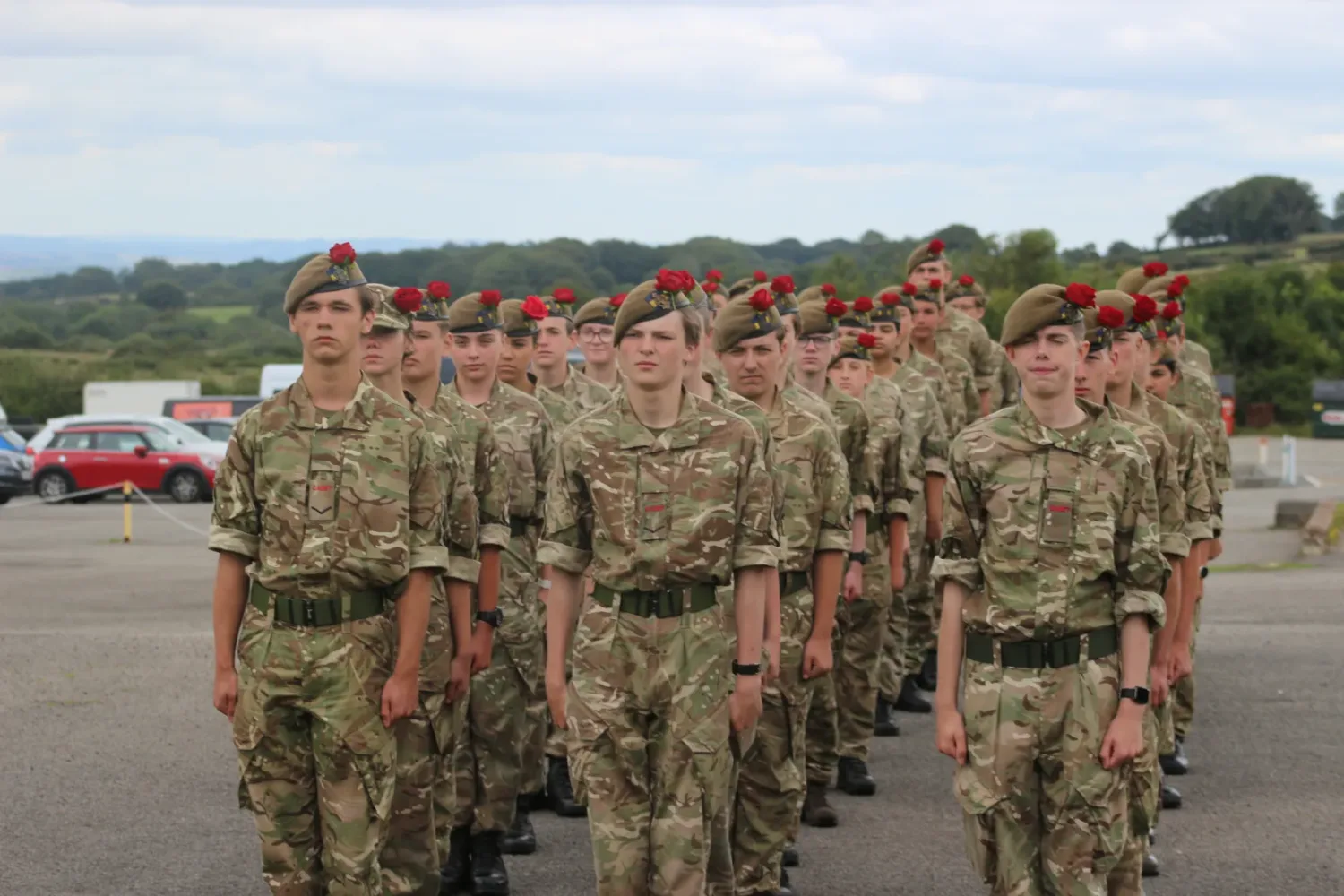
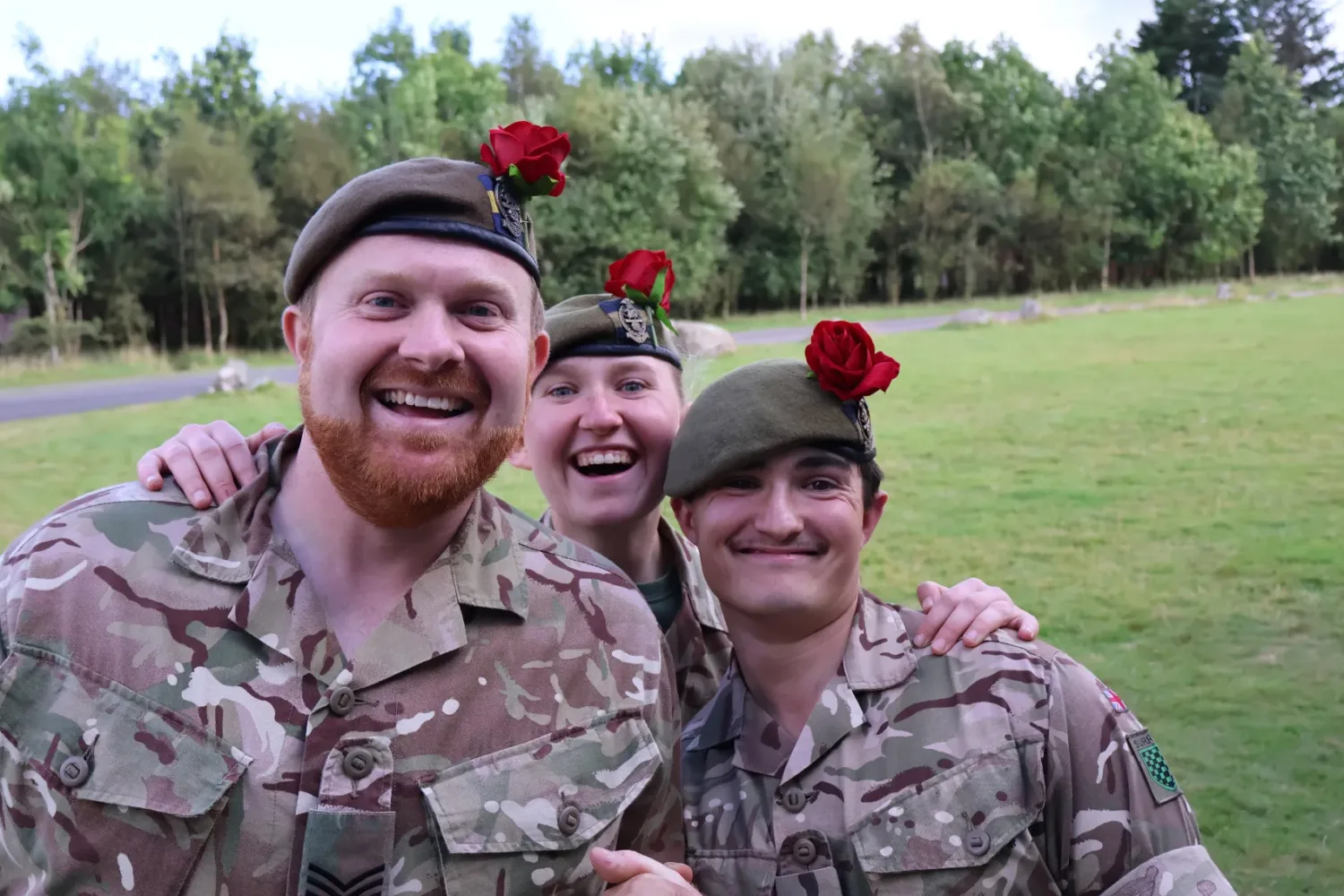
Our cadets and adult volunteers wear a rose on their berets as a symbol of remembrance and regimental pride. This tradition connects us to a proud history of courage, service, and unity that inspires us today.
The Battle of Minden
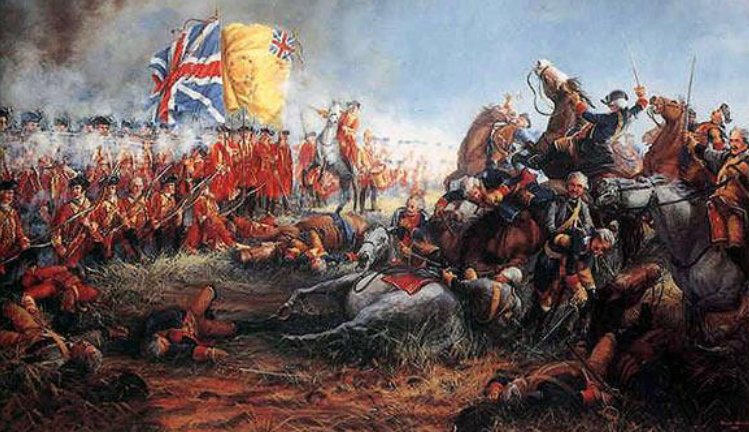
The Battle of Minden took place on 1 August 1759 during the Seven Years’ War, near the town of Minden in what is now Germany. The battle was fought between an allied army of British, Prussian, and Hanoverian forces under Prince Ferdinand of Brunswick, and a French army under the command of Marshal de Contades.
A key moment came when six British infantry regiments advanced directly into French cavalry—a highly unusual and risky move. These infantrymen held their ground with remarkable discipline, repelling repeated cavalry charges and ultimately turning the tide of the battle. The Allies won a decisive victory, which was a significant blow to French ambitions in central Europe.
Significance to the Princess of Wales’s Royal Regiment
The Princess of Wales’s Royal Regiment traces its lineage back to several of the regiments that fought at Minden, particularly the 37th Regiment of Foot (later the Hampshire Regiment), which became part of the Queen’s Regiment and ultimately the PWRR. Because of this lineage, the Battle of Minden is a key historical event for the regiment. It
symbolizes gallantry, discipline, and the regimental tradition of meeting adversity with resilience and skill.
Why The Roses?
As the British infantry advanced into battle at Minden, they reportedly picked wild roses from the hedgerows and wore them in their hats. This act has become a cherished tradition. Every 1st of August, the Princess of Wales’s Royal Regiment (and other successor regiments of those that fought at Minden) commemorate Minden Day by wearing roses in their headdress. This is a living tribute to the courage shown by their predecessors during the battle, and it serves as a powerful reminder of regimental identity and pride.
НАТИСНІТЬ НА БУДЬ-ЯКЕ ЗОБРАЖЕННЯ НИЖЧЕ, ЩОБ ЗБІЛЬШИТИ ЙОГО