10 Facts About Pride Month
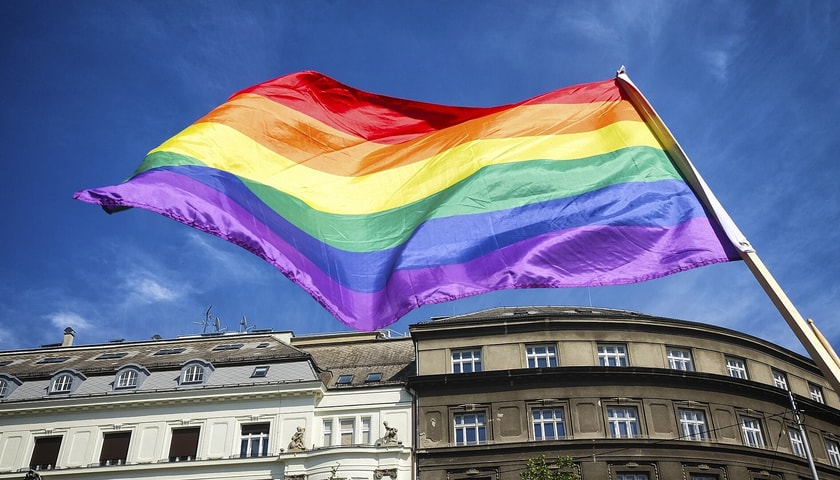
History of Pride
All modern Pride and LGBTQ+ celebrations around the world trace their roots back to the Stonewall Riots, which took place in New York City on June 28, 1969. Following a violent police raid on the Stonewall Inn, a gay bar located in Greenwich Village, gay and lesbian activists organised and demanded that homosexuality be decriminalised throughout the USA.
On June 28, 1970, exactly one year after the riots, the first gay pride marches took place in New York City, Los Angeles, and San Francisco. In 1999, US President Bill Clinton formally declared June to be Gay & Lesbian Pride Month. In 2011, President Obama expanded this to include the entire LGBTQ+ community, and June has since been adopted around the world.
Stonewall is now a charity supporting LGBTQ+ individuals and issues throughout the UK.
Pride Month in the UK
Pride in the UK is celebrated each June, but we also celebrate LGBTQ+ History Month in February. They seem very similar, but have you ever wondered what the difference is? At their heart, both events are centred on the experience, challenges and acceptance of those who identify as LGBTQ+ individuals.
Pride was an organisation that grew from protest and demanded change. Pride Month concerns itself with the present and future challenges facing a range of sexual identities. In that sense, it is a forward-looking organisation, and asking where are we now, and where can we go?
LGBTQ+ History Month
LGBTQ+ History Month is celebrated in February in the UK to coincide with the abolition of Section 28, a law which prohibited local authorities from ‘promoting’ homosexuality in schools. Section 28 was repealed in February 2003 and has been the focal point for LGBTQ+ History Month ever since. This makes LGBTQ+ History Month more concerned with the past, and remembering the injustices that have occurred so that we can avoid repeating them in the future.
Top Ten Facts About UK Pride and LGBTQ+ History
- Лондонська гордість is the UK’s biggest LGBTQ+ festival, attracting up to an estimated 1.5 million attendees in 2023, the Army Cadets attend each year to take part within the parade alongside the other armed forces.
- The first UK Pride Festival took place on 1st July 1972 in London. The date chosen was the closest Saturday to the date of the Stonewall Riots which occurred on 28th June 1968. An estimated 2,000 people attended the first Pride.
- Organisers of the 2023 London Pride Festival estimated that around 600 organisations were involved, and around 30,000 people took part in putting on the show.
- In England and Wales homosexual acts between men aged over 21 were decriminalised in the 1967 Sexual Offences Act, followed by Scotland in 1980 and Northern Ireland in 1982. This was equalised with the heterosexual age of consent to 16 in 2001.
- UK law has never considered female homosexuality a civilian offence. This only applied to men!
- Did you know Алан Тюрінг, the computer genius who led the project to decode the German Enigma machines in the Second World War, was gay?
- The law which allows people to change their legal gender, the Gender Recognition Act, was passed in 2004.
- У "The Office of National Statistics reported of the 2021 census that 3.2% of the population, around 1.5 million people, identified as gay, lesbian, bisexual, or ‘other sexual orientation’.
- The UK recognised same-sex civil partnerships in 2005. The law permitting same-sex marriage came into effect in 2014.
- Manchester’s Sparkle Weekend is the world’s largest free-to-attend celebration of gender diversity.
Diversity in the Army Cadets
The principles of різноманітність та інклюзія touches all areas of the Army Cadets, and we take our responsibilities seriously. In 2020, we appointed Major Darren Hughes as the first National Diversity & Inclusivity Adviser, this position is now held by Lt Colonel Rachel Diss.
This includes our vital повнолітні волонтери as well as new cadets. If you want to be part of a team with diverse skills, backgrounds, and experiences, знайти загін near you today.
Image by Boris Štromar від Pixabay.